In depthHow to choose solid oak
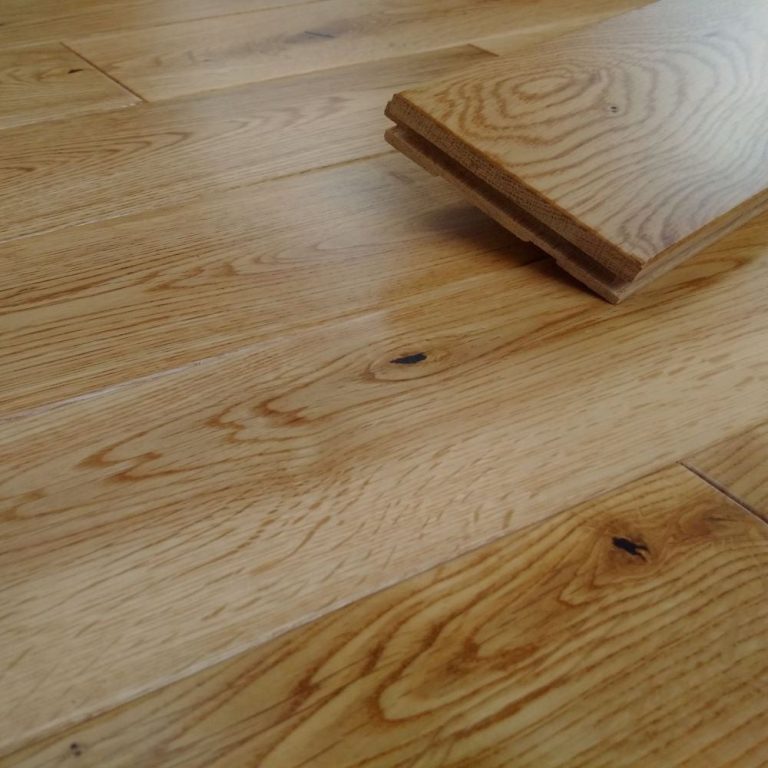
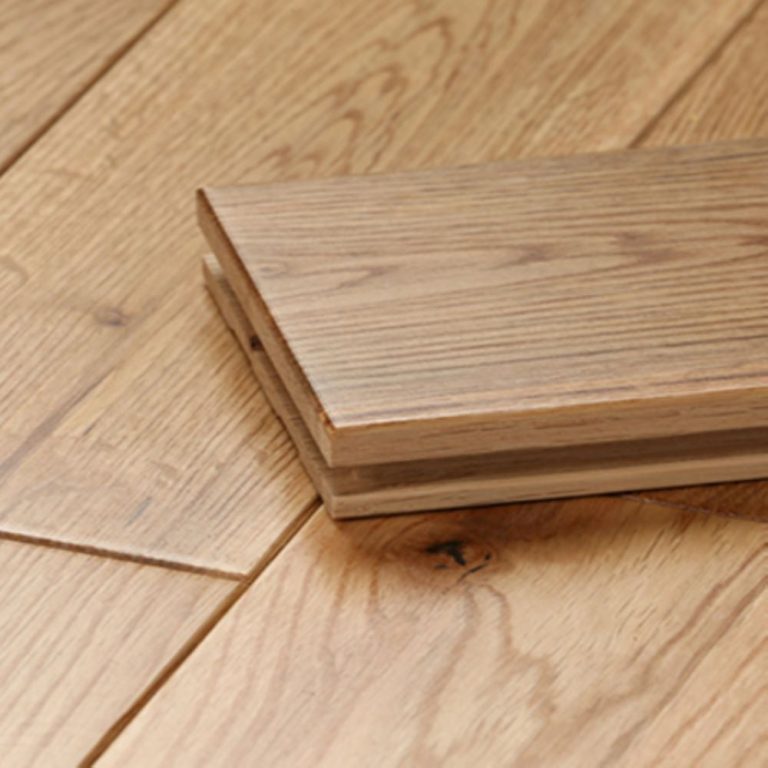
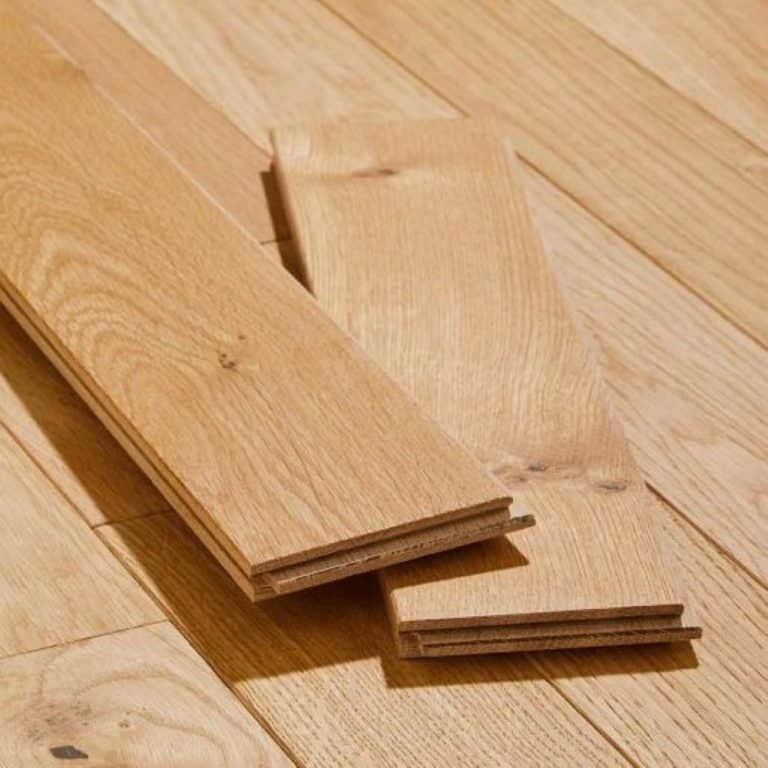
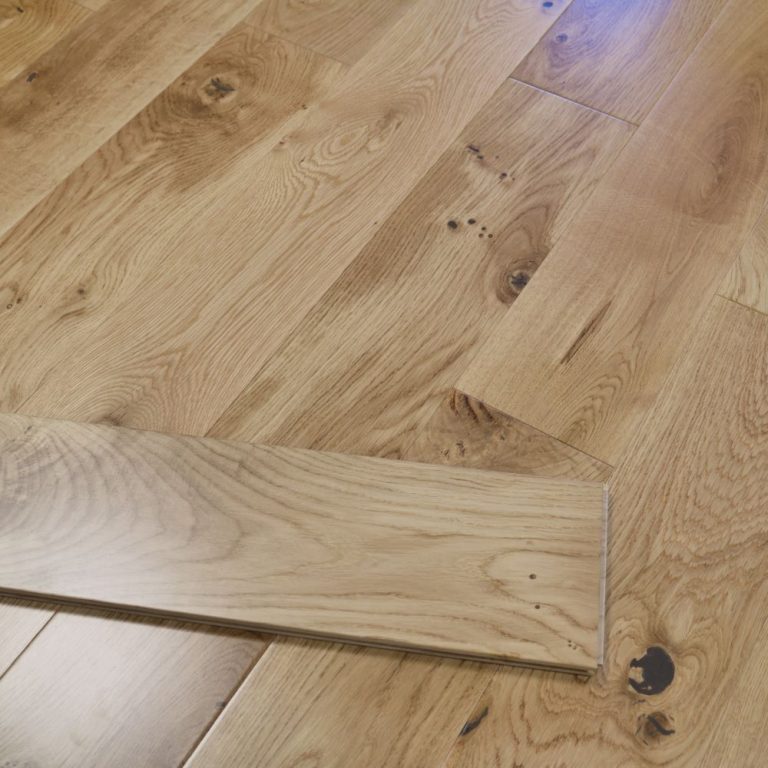
Solid oak is the floor with the fewest parts: 18 mm of European oak, tongue and groove, micro-bevelled, Rustic grade, with a 20 year manufacturer's warranty on every one of the 15 products in the range. Eleven are Windsor planks in three widths and four are Marlow parquet blocks at 90 mm by 300 mm. There is no core, no wear layer and no bonded construction; the board is oak from the surface to the subfloor, which is why it can be sanded and refinished for as long as the tongue holds, and why it moves.
That movement is the whole decision. Solid oak takes on moisture and gives it up with the seasons, more than an engineered board does, and it does so across the width of the plank. In a house with a stable climate, on a dry subfloor, with the boards acclimatised before laying, a solid floor stays flat for decades. In a house with underfloor heating, none of the 15 products is listed as compatible, and the engineered range is the answer. The product standard for solid parquet elements, the UK moisture reading for a subfloor under solid timber, and the trade guidance on acclimatisation are quoted below; between them they describe the conditions a solid floor needs.
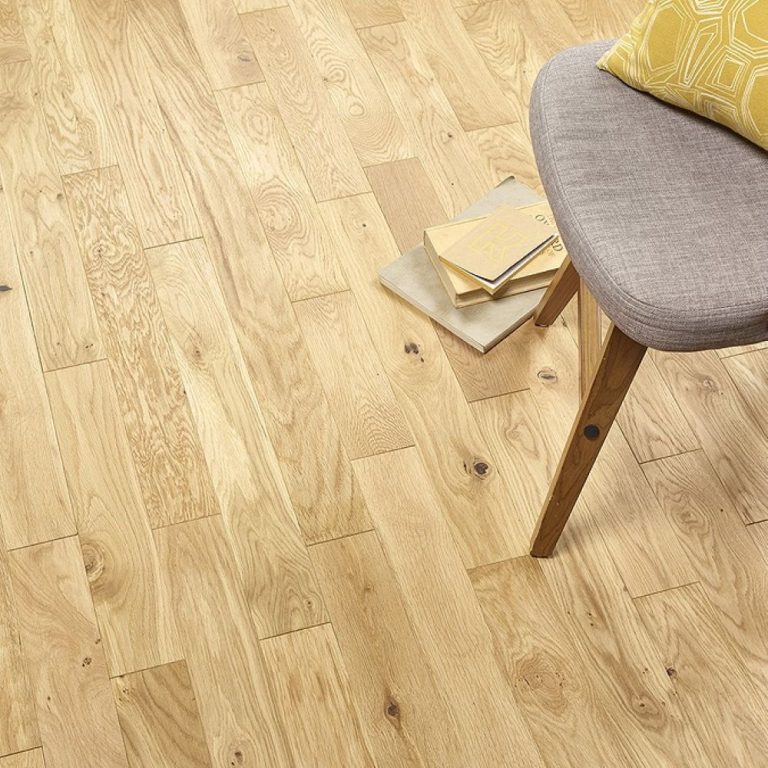
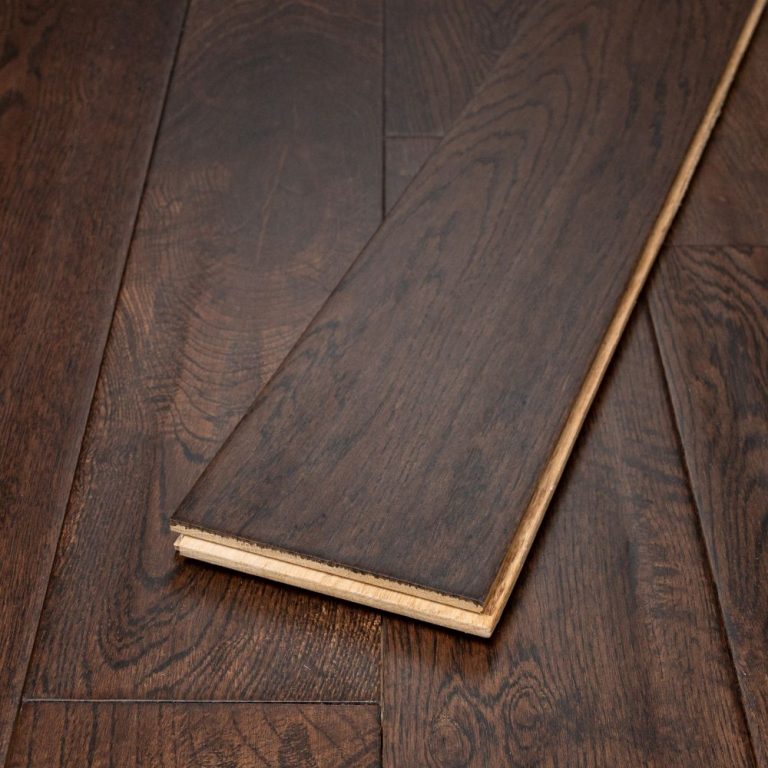
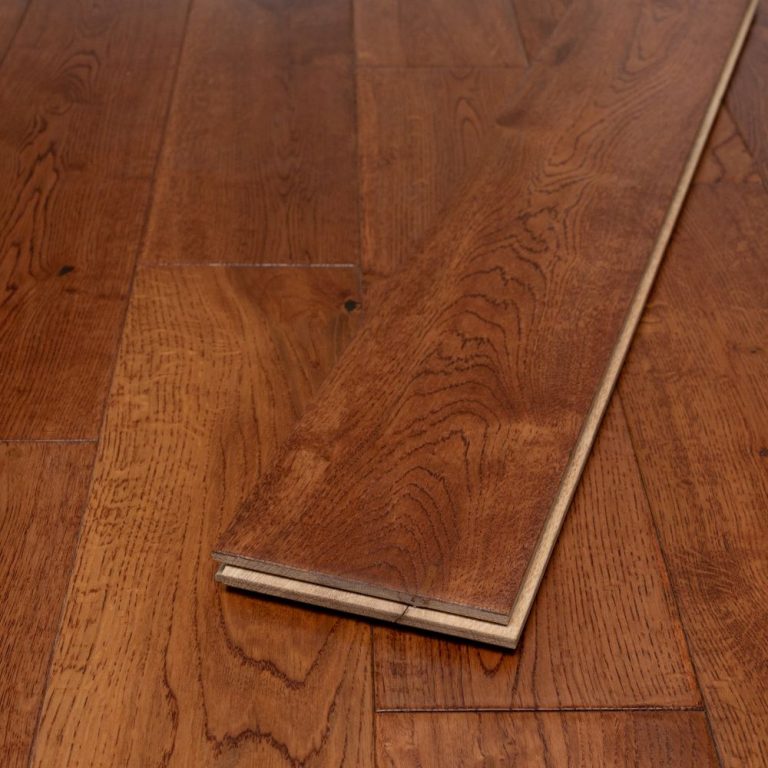
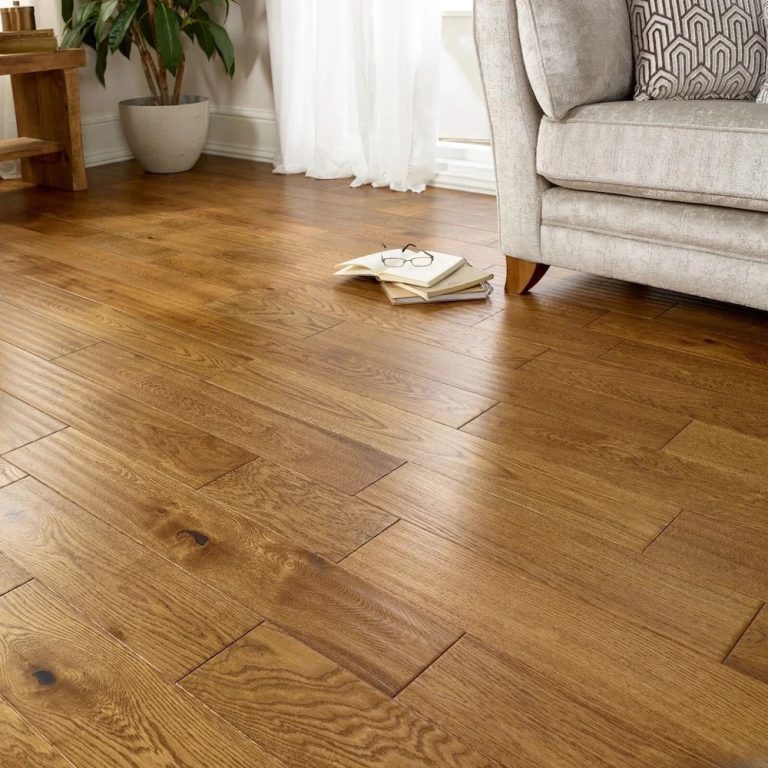
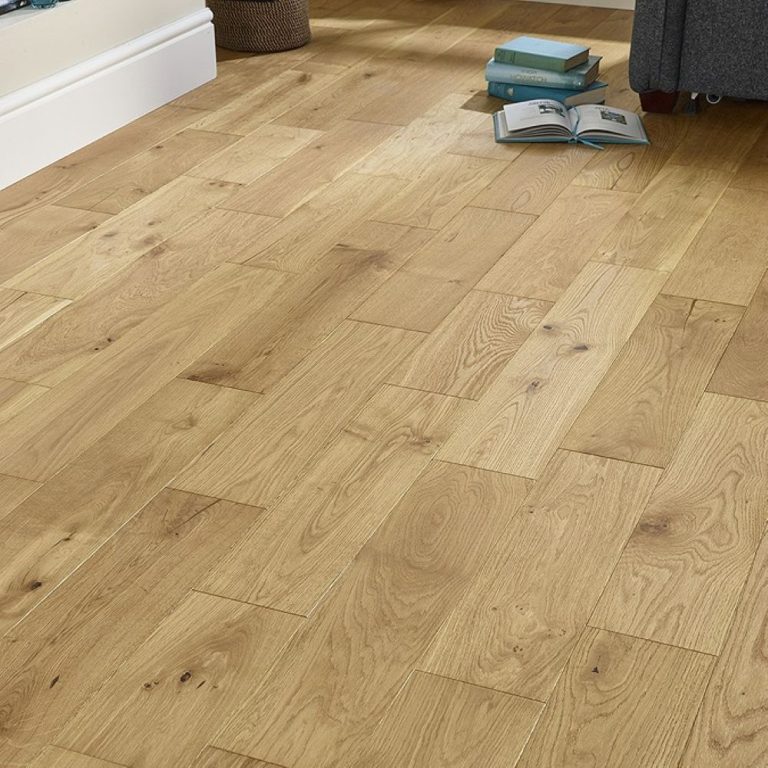
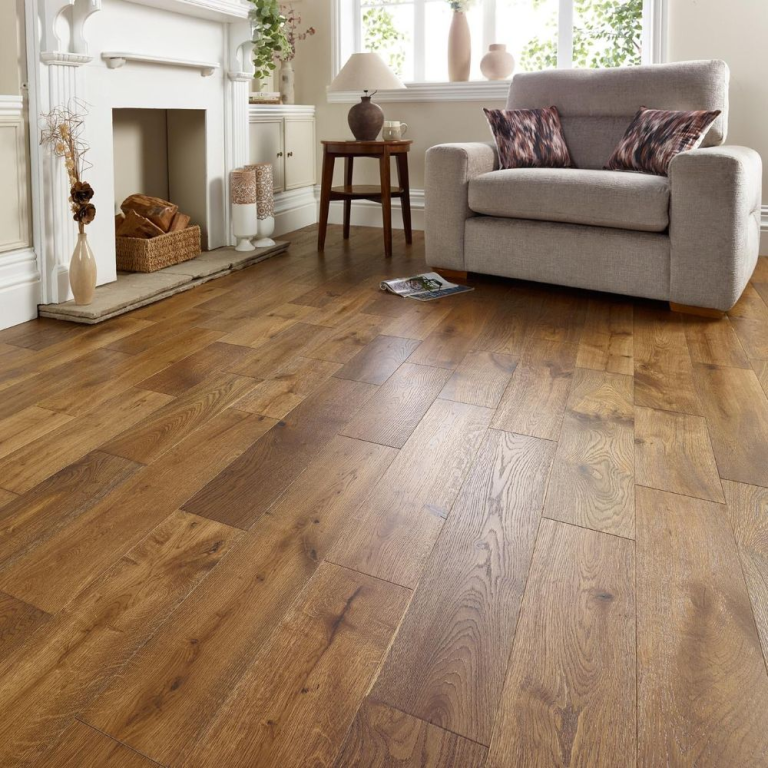
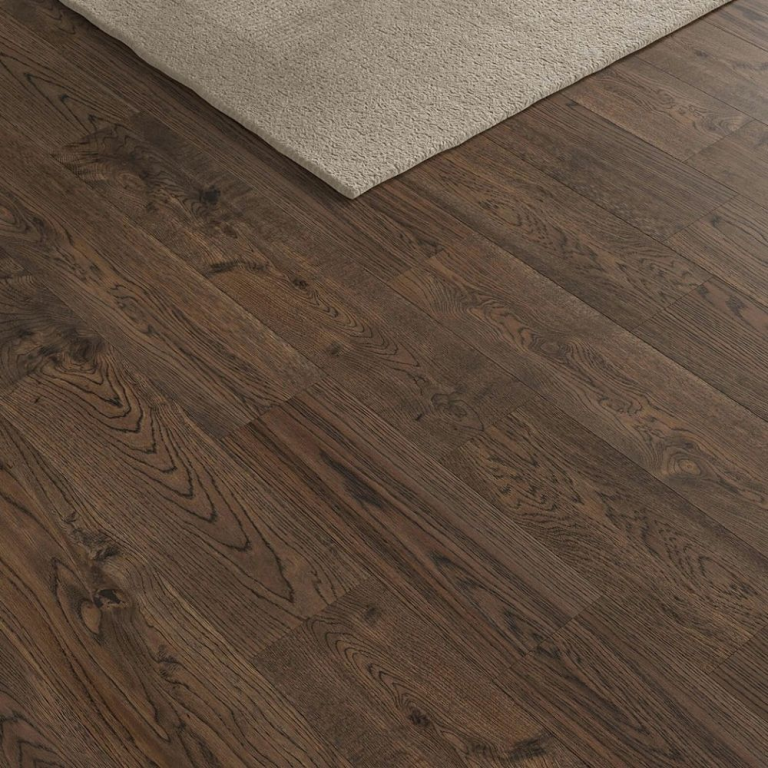
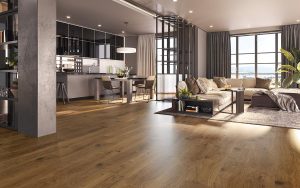
The planks are a choice of width and surface. The 90 mm Windsor Narrow reads as a traditional strip floor, 125 mm is the classic width, 150 mm reads as a plank; all three are random length, so the floor does not repeat like a grid. Surfaces run from brushed and UV oiled, which hides marks and can be re-oiled locally, through smooth and UV lacquered, the cleanest look, to hand scraped and UV lacquered for a period house, and brushed and matt lacquered on the smoked and dark boards. The oiled surfaces are maintained locally; the lacquered ones are refinished as a whole floor.
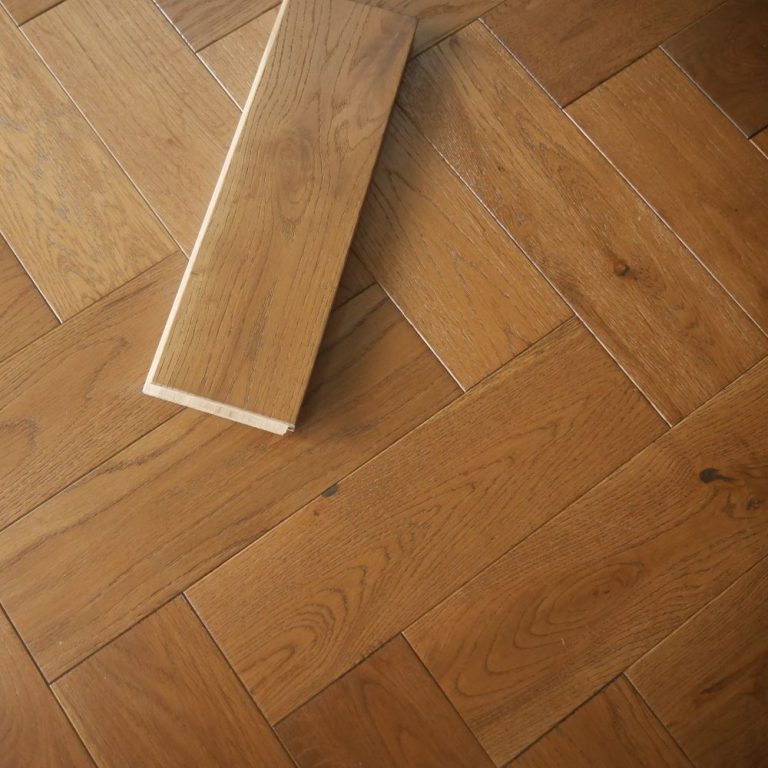
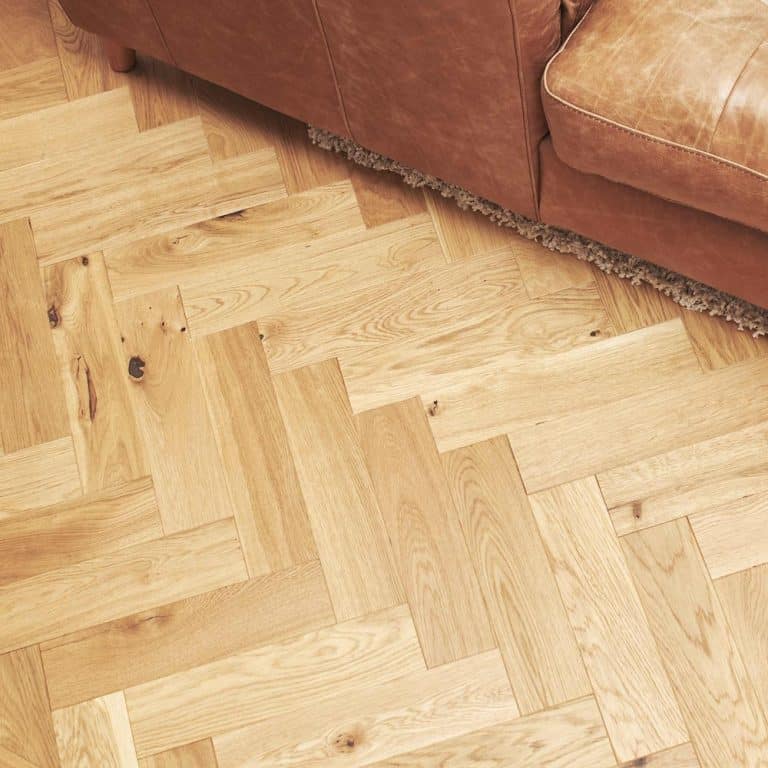
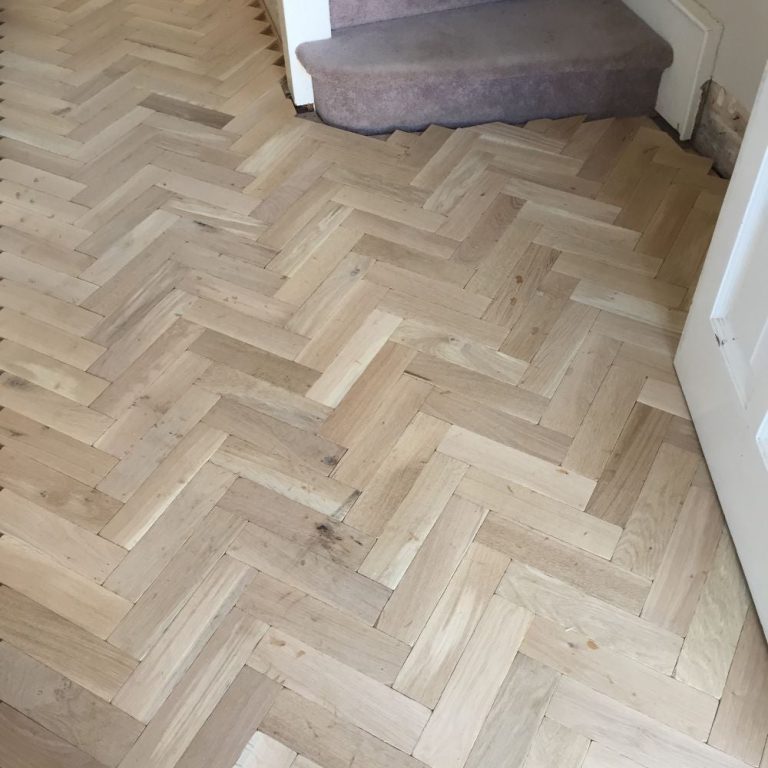
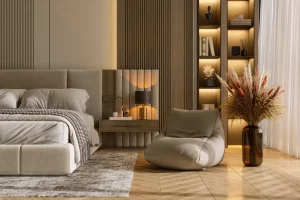
The blocks are a different floor altogether. A 90 mm by 300 mm block is laid glued to a flat subfloor in a pattern, herringbone or brick bond, set out from the centre of the room; three of the four arrive finished and one is unfinished, for a floor that is sanded flat as one surface after laying and then oiled or lacquered, the traditional route. Patterned floors need a higher cutting allowance than planks, and the manufacturer figures for it are quoted below.
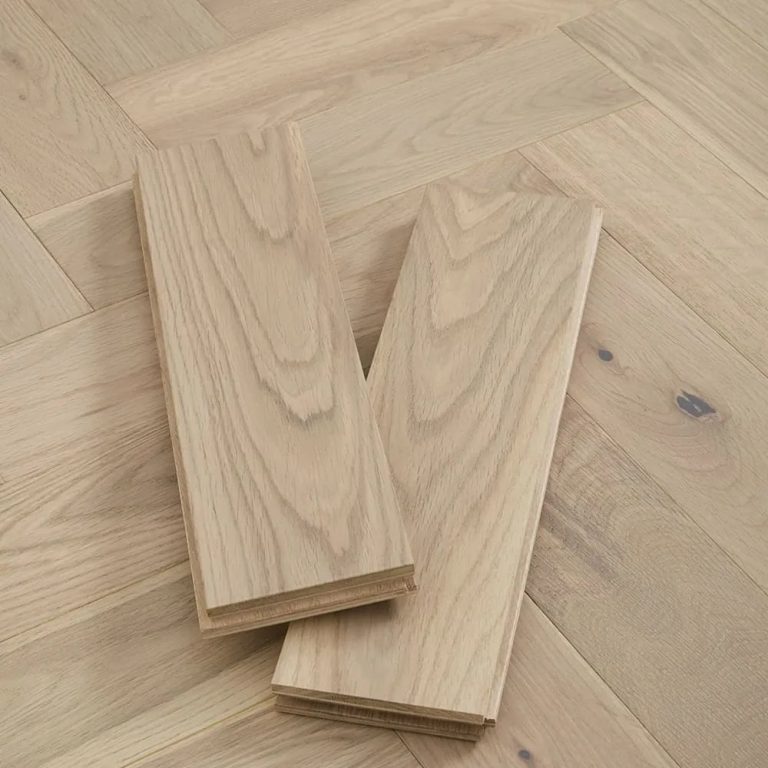
Colour runs the oak palette within Rustic grade: natural on most of the planks, golden, golden brown and coffee on the hand scraped boards, smoked and dark on the matt lacquered pair, and smoked, natural and light on the blocks. Because Rustic grade allows knots, sap and colour variation, the sample is representative rather than exact; two samples of the same board show the range. For the same look in a heated room, or in a flat with a concrete floor and a tight build-up, the engineered oak boards carry the same finishes on a core that stays put.
 Shop by category