Samples available UK-wide delivery
Shop by category
Pro Portal
4.6 Trustpilot 2400+ orders delivered UK-wide delivery

Your Basket

0

Your basket is empty

Browse our editorial collections and find your perfect floor.

Browse Collections
Subtotal £0.00
Shipping & discounts calculated at checkout
SSL encrypted — safe and secure
Collection

Herringbone

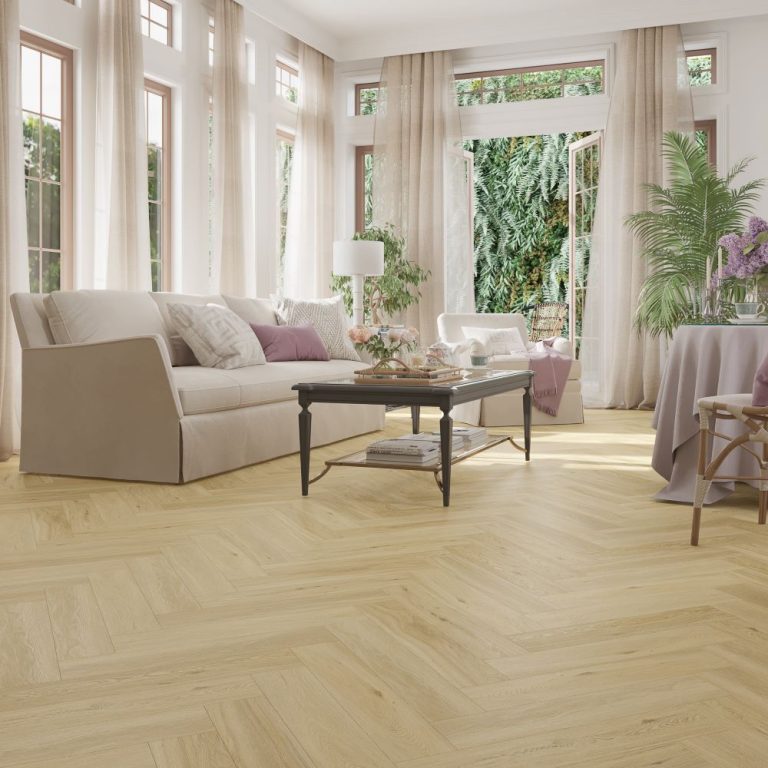
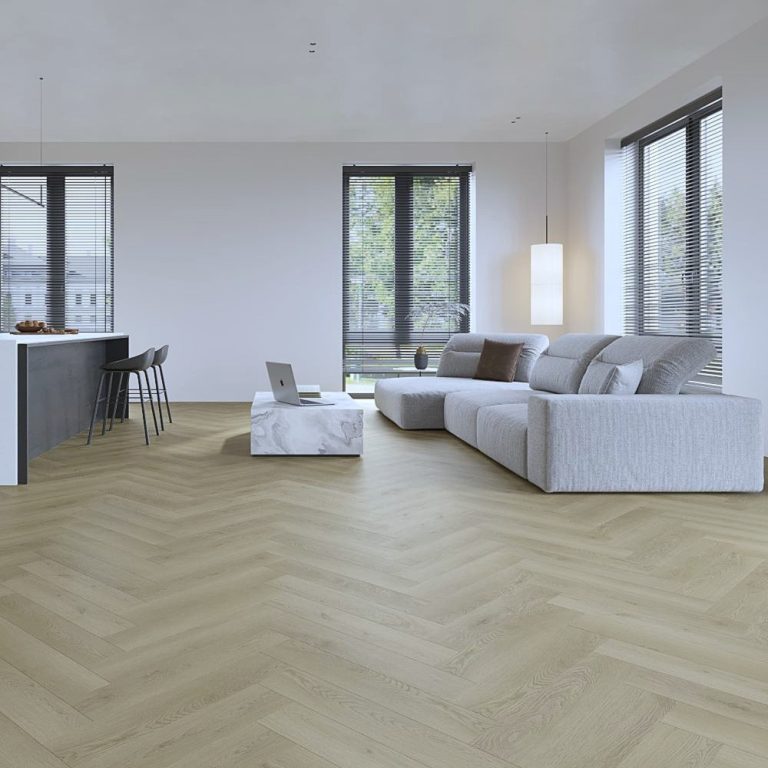
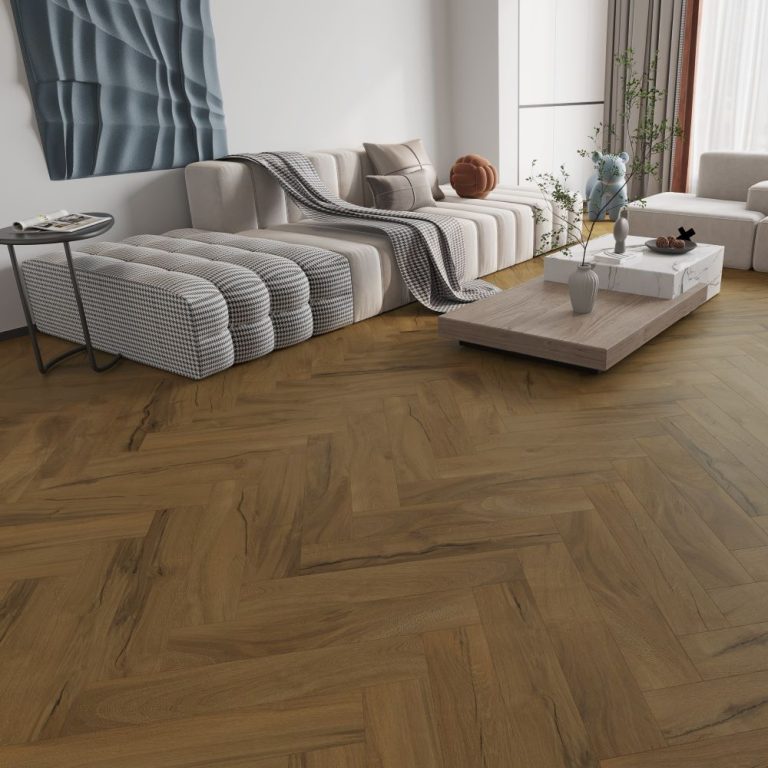
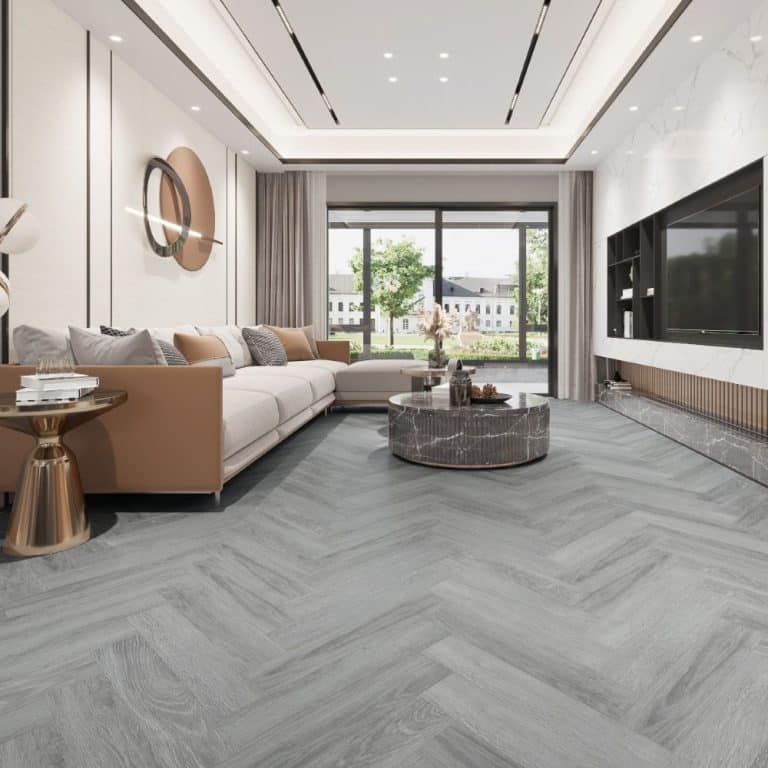
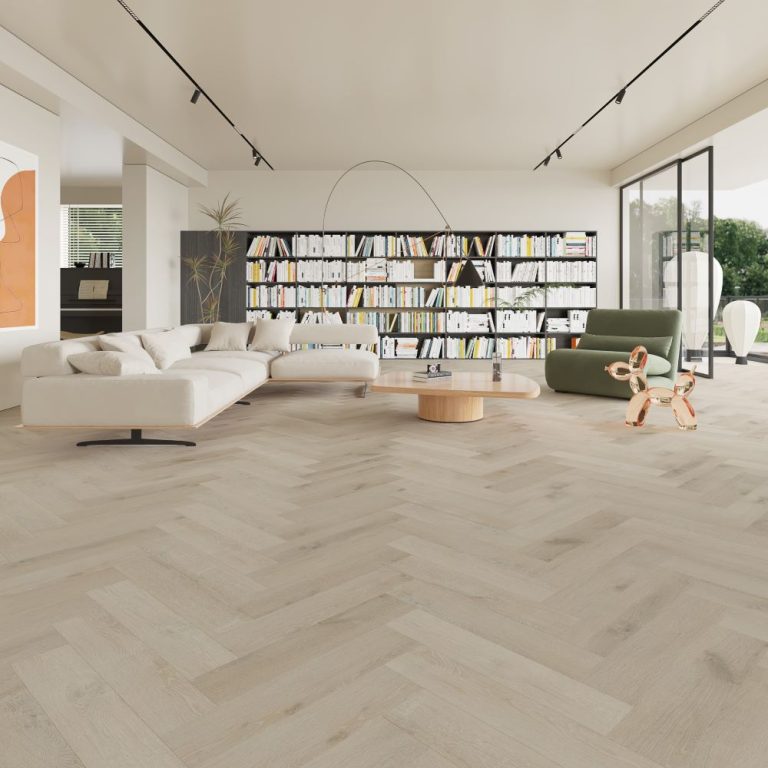
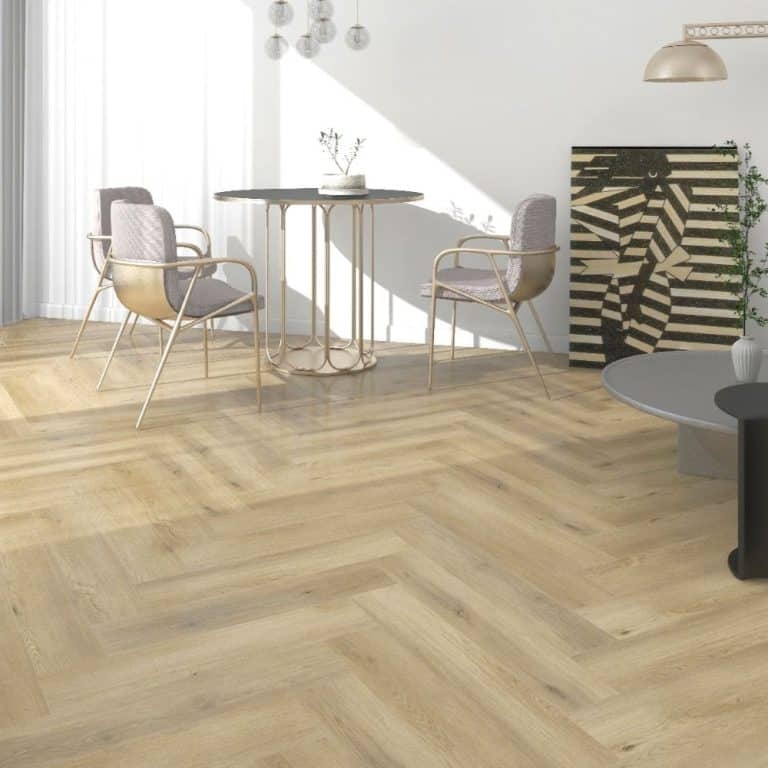
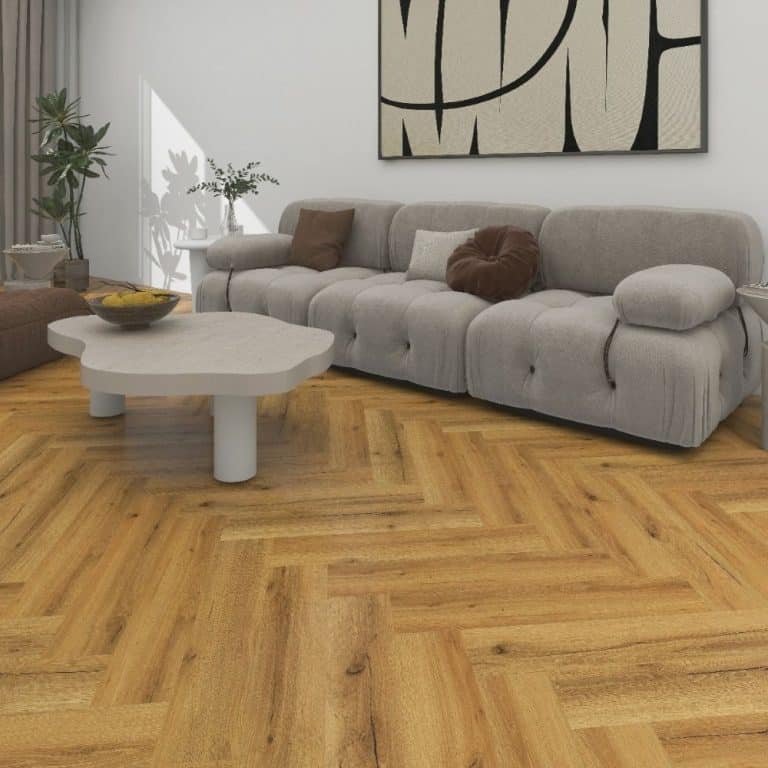
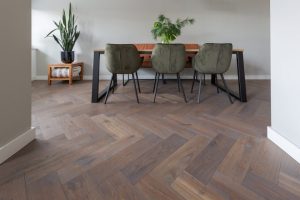
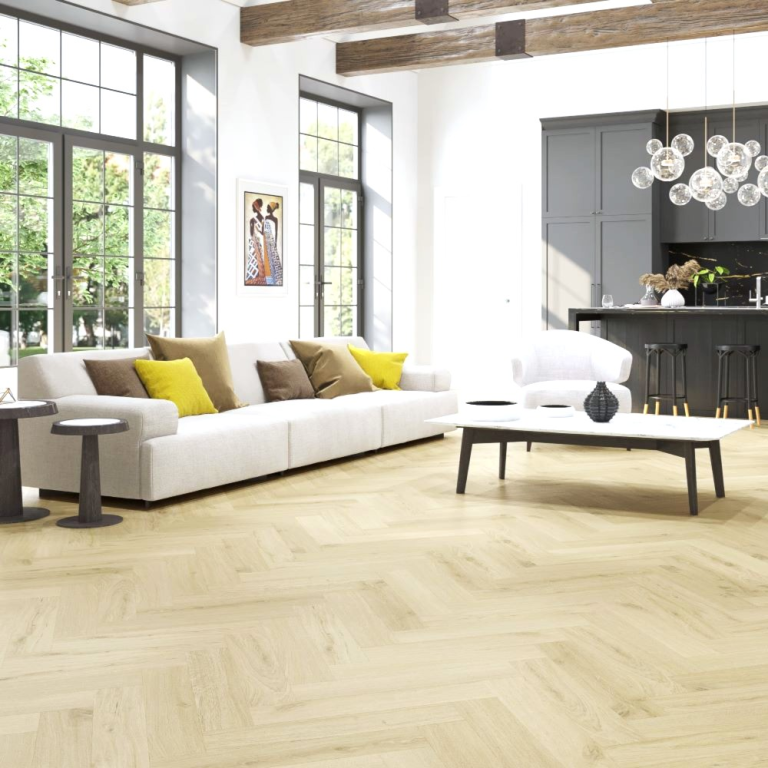
Herringbone Rigid Vinyl brings classic parquet charm into a durable, water-resistant format. The pattern adds movement, depth and elegance, making it perfect for hallways, living rooms and premium renovation projects.

Herringbone · The look

Herringbone blocks in the BML rigid vinyl range are 6.5 mm SPC click blocks in eight oak tones. At 126 mm by 630 mm with a 0.55 mm wear layer, from American white oak to antique smoked: the parquet pattern for kitchens, bathrooms and hallways, waterproof and with the underlay attached.

Parquet where parquet cannot go
A herringbone floor in a bathroom, a kitchen or a utility room, which a real oak block would not survive. The blocks click together and float, so the set-out is the work; there is no adhesive and no sanding.
One specification for all eight
Every herringbone block is 6.5 mm with a 0.55 mm wear layer, the heavier of the two in the range, textured, listed as waterproof and compatible with underfloor heating, with a 25 year manufacturer's warranty. The choice is tone alone.
Eight tones
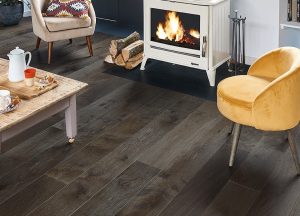
European Oak, American White Oak, Light Oak and Invisible Oak at the pale end; Grey Oak and Smoked Limed Oak in the cool middle; Vintage Fumed Oak and Antique Smoked Oak at the dark end.
How does a click herringbone go together?
The blocks have a click profile on all four sides and are laid in a zigzag from a centre line, left and right blocks alternating. It floats rather than being glued, so the subfloor needs to be flat and clean but not prepared for adhesive. A fitter who has laid click herringbone before makes the set-out quicker.
Does the pattern need more boxes than a plank floor?
Yes. Every row of a herringbone ends in a cut at the wall, so the cutting allowance is higher than for planks. The figures we could verify are manufacturer guidance rather than a standard and are quoted below; each box covers a little under two square metres.
Is vinyl herringbone convincing next to real oak?
From standing height the pattern is what the eye reads, and the pattern is the same. Close to, the printed grain repeats across a box where oak does not, and the joints are click joints rather than the tight butt joints of a glued block. Put a sample block next to an oak block in the room and decide there.
LVT or laminate, what is the difference?
LVT shrugs off water where laminate swells at the joints, and it is quieter and slightly softer underfoot; laminate is harder-wearing against scratches and cheaper. For wet rooms choose LVT every time.
Do you deliver UK-wide and can I get a sample first?
Yes, UK-wide delivery options, and samples from £1.99 so you can check the design at home first.

Still unsure? Real people, honest advice.

In depth

Choosing rigid vinyl herringbone

Herringbone is the parquet pattern, and the rigid vinyl version takes it into rooms where oak parquet would not last: kitchens, bathrooms, utility rooms, and hallways that take wet shoes all winter. The BML herringbone block is 6.5 mm thick, 126 mm by 630 mm, with a 0.55 mm wear layer over a solid polymer core, textured, listed as waterproof and compatible with underfloor heating, with the underlay attached and a 25 year manufacturer's warranty. All eight tones share that specification, so the decision is colour and colour only.

The eight run from pale to dark. European Oak carries the conventional warm oak colour; American White Oak, Light Oak and Invisible Oak are the pale, cool designs; Grey Oak and Smoked Limed Oak sit in the grey middle; Vintage Fumed Oak and Antique Smoked Oak are the dark, aged end. Because a herringbone shows the run of blocks as lines, the tone reads more strongly than in a plank floor of the same colour; a sample block or two, laid in the pattern on the floor of the actual room, tells more than any photograph.

The laying is a floating click floor, not a glued parquet. The blocks click on all four sides and are set out from a centre line with left- and right-handed blocks alternating; there is no adhesive, no sanding and no finishing. What the pattern does demand is a cutting allowance at the walls, higher than for planks, and the manufacturer figures for that are quoted below alongside the expansion gap the industry recommends for any floating floor.

For the same pattern in real oak, the Oxford herringbone blocks in the parquet range are engineered oak for dry rooms; for the same rooms in a plank format, the wide plank and standard plank subcategories share the core and the wear layers.