Samples available UK-wide delivery
Shop by category
Pro Portal
4.6 Trustpilot 2400+ orders delivered UK-wide delivery

Your Basket

0

Your basket is empty

Browse our editorial collections and find your perfect floor.

Browse Collections
Subtotal £0.00
Shipping & discounts calculated at checkout
SSL encrypted — safe and secure
Collection

Antique Oak

Rich character with natural warmth. Antique oak brings aged tones, subtle variation and authentic wood detail into your home. A beautiful choice for traditional or rustic interiors with depth, texture and timeless style.

9 products

Antique Oak · The look

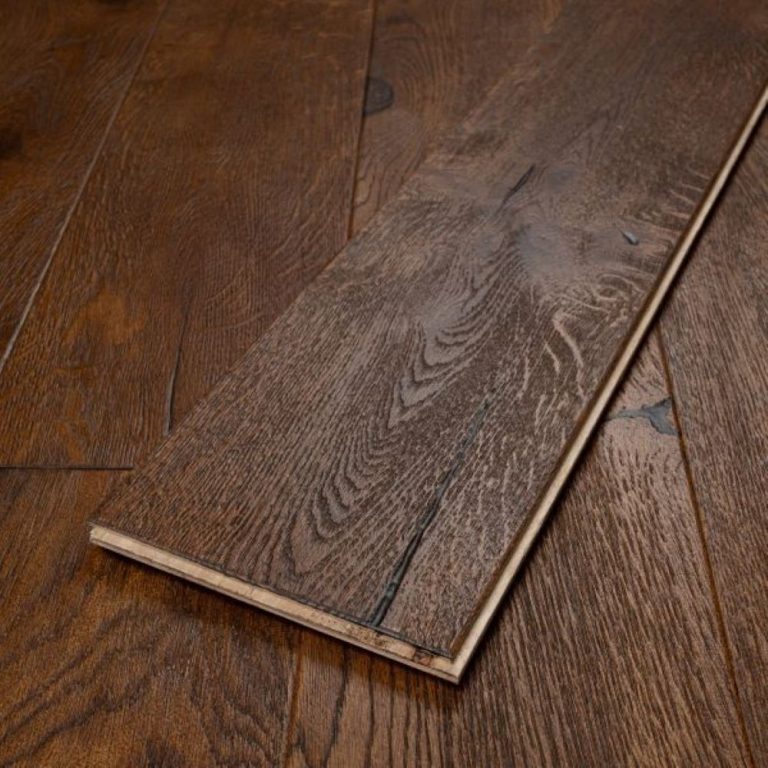
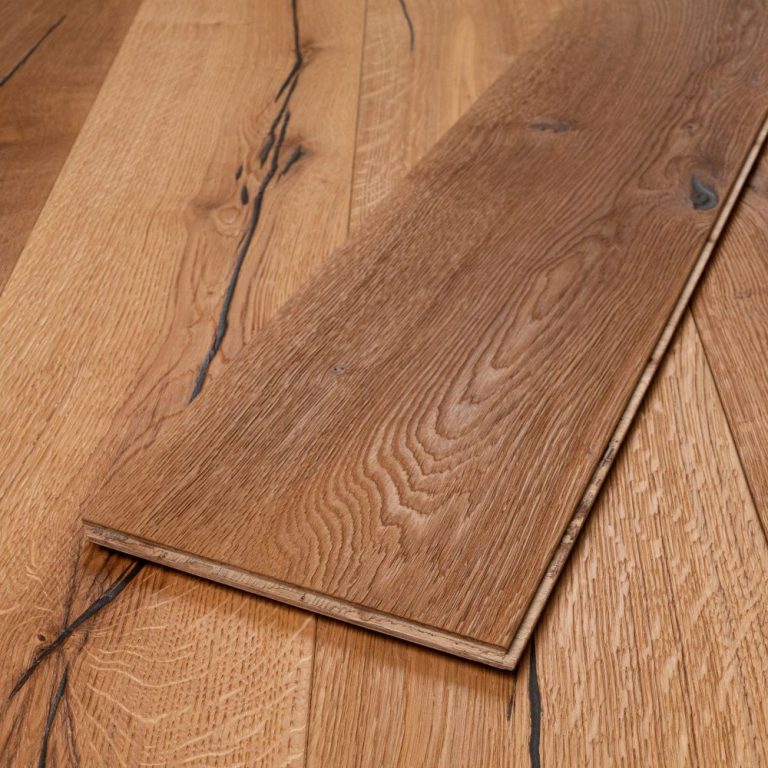
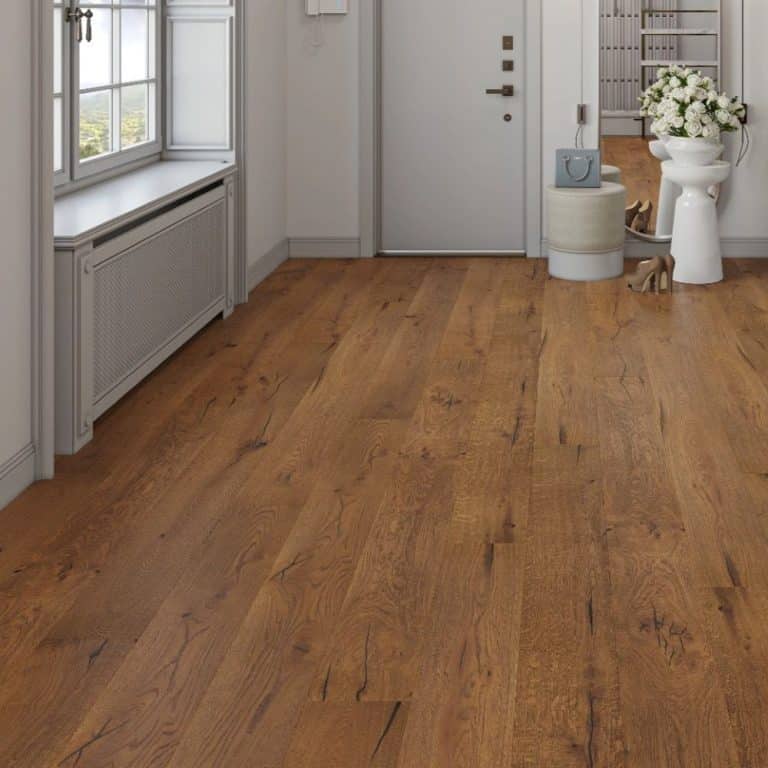
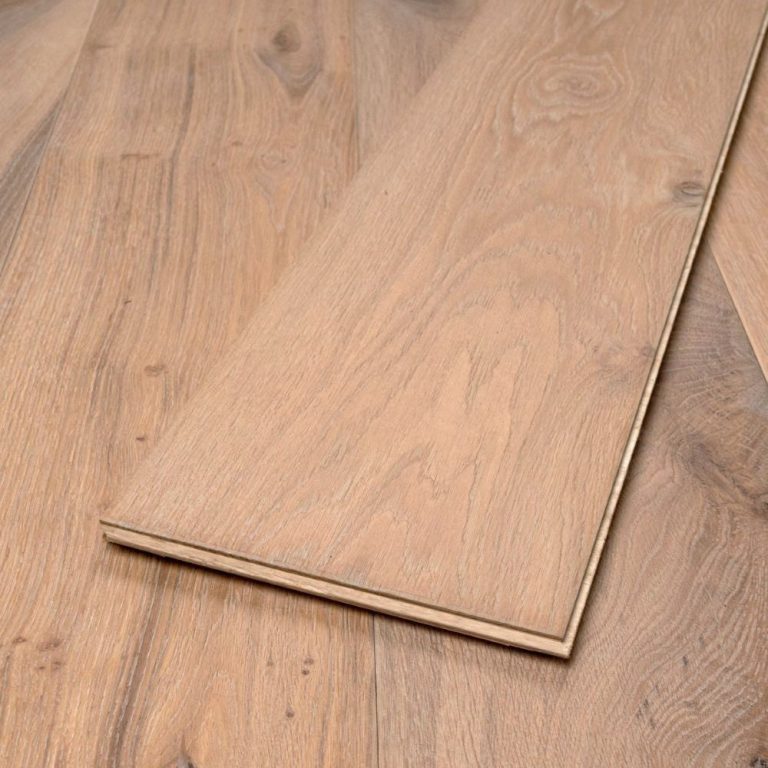
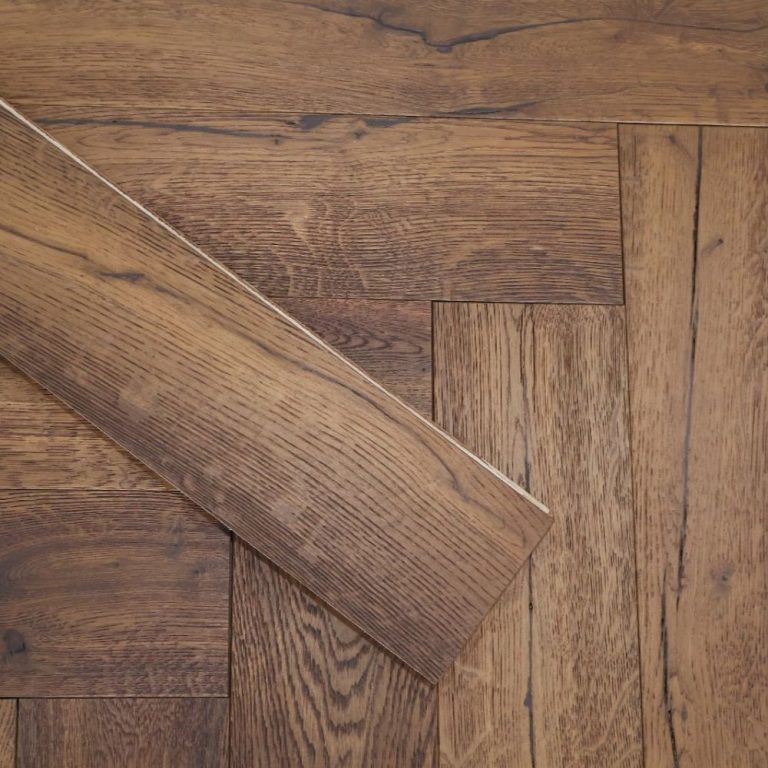
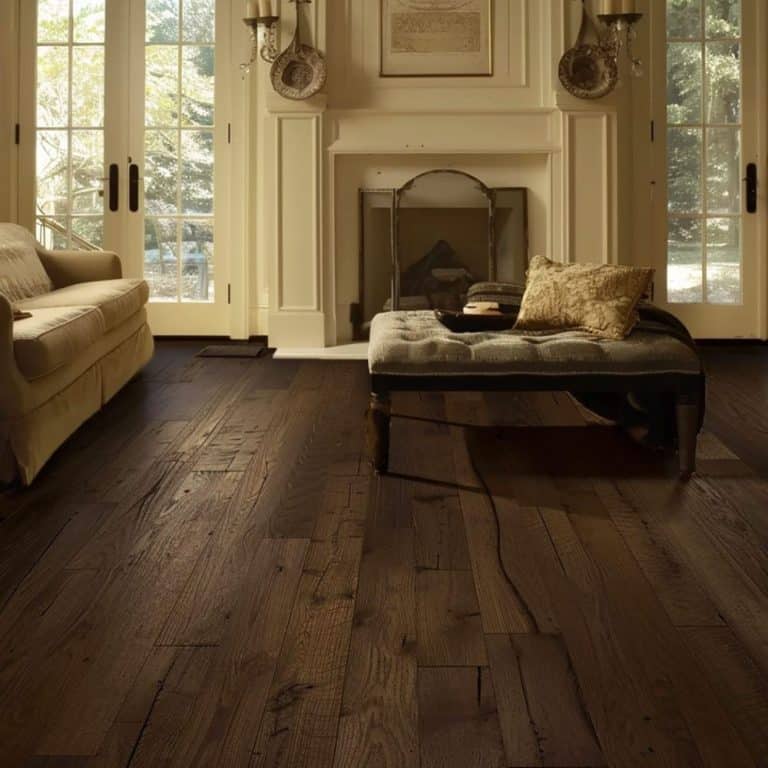
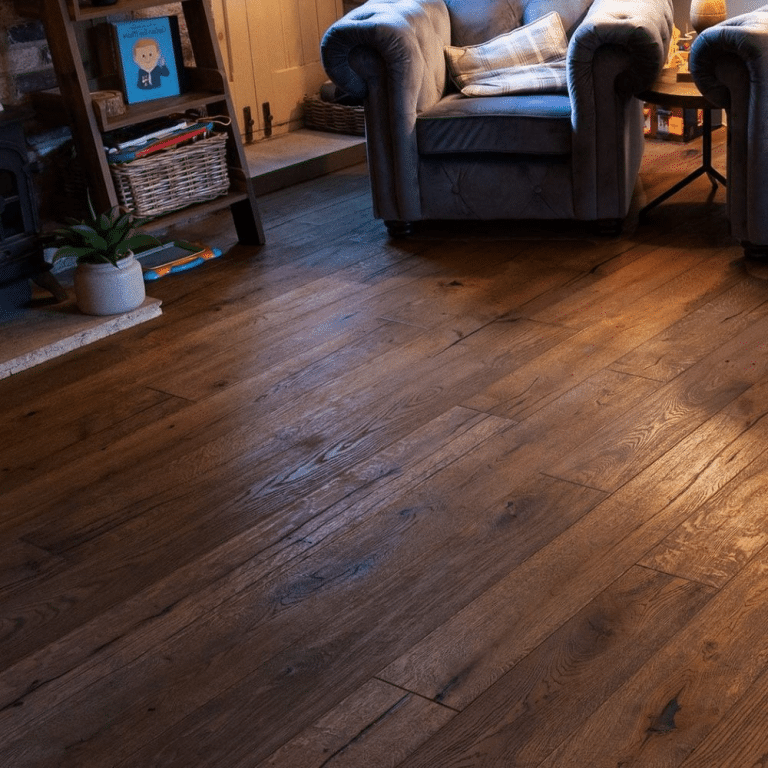
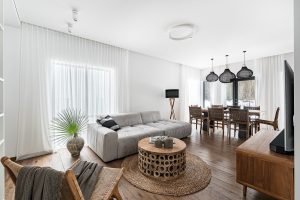
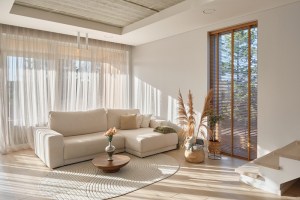
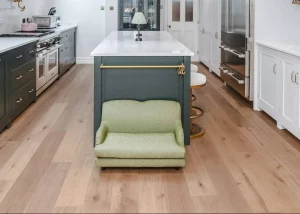
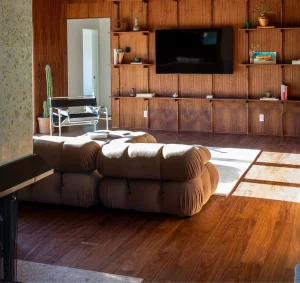
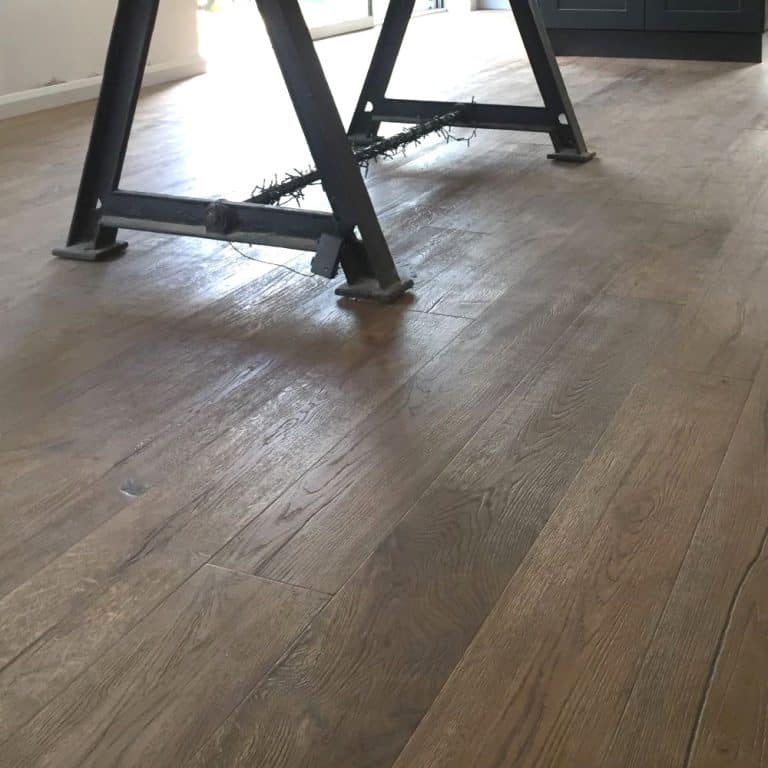
Antique Oak is deep-brushed, hard-wax-oiled engineered oak with the colour aged in. Every board carries an Antique Effect grade, so knots, colour variation and surface texture are part of the design rather than something to sort out of the pack. The Victorian Antique boards come in three formats, and the Oxford herringbone block brings the same aged colour to a patterned floor.

Deep brushed, then oiled
The brushing removes the soft spring growth and leaves the harder grain standing proud. A hard wax oil sits in that texture instead of on top of it, which is why scuffs on an antique floor tend to disappear into the surface rather than show as a line.
Three board formats
Fourteen and fifteen millimetre boards at 190 mm and 220 mm wide, and a 20 mm board with a 6 mm wear layer for rooms that will be sanded and re-oiled more than once. The wider and thicker the board, the more the antique colour reads as one surface rather than a pattern of planks.
Where it belongs
Period hallways and living rooms where a smooth, uniform board would look out of place. It also hides the wear of a busy family room better than a lighter, flatter floor.
Is antique oak the same as distressed oak?
Not quite. Every board here is graded Antique Effect, which means the colour has been aged in and the surface deep-brushed. One board, the Victorian Antique Distressed, goes further and adds worked edges and surface marks. If you want the aged colour without visible tool marks, choose any of the others.
Can I re-oil an antique oak floor myself?
Yes. The antique boards are finished with hard wax oil, so a worn area can be cleaned and re-oiled locally rather than sanded back as a whole floor. Work with the manufacturer's maintenance oil for the same finish, apply thinly and buff off the excess.
Which antique board suits underfloor heating?
All of them are listed as compatible with underfloor heating, and the wear layer is what matters for long-term stability over heat: the 20 mm boards carry a 6 mm wear layer and the 15 mm boards a 4 mm one. Keep the floor surface within the temperature limit given in the specification and by the heating installer.
How do I order the right amount?
Use the calculator on any product page, or order by box or pallet, we add 10% for cuts and waste automatically.
Do you deliver UK-wide and can I get a sample first?
Yes, kerbside pallet delivery nationwide, and samples from £1.99 so you can check colour and finish at home first.

Still unsure? Real people, honest advice.

In depth

Choosing antique engineered oak

An antique floor is a decision about surface before it is a decision about colour. All nine boards in this range are deep brushed and finished with hard wax oil, and all carry an Antique Effect grade. That combination is what makes the floor look aged rather than simply dark: the brushing opens the grain so light catches the texture, and the oil sits down in it. If you want an aged colour on a smooth, lacquered board, this is not the range; the Victorian Antique boards are texture first.

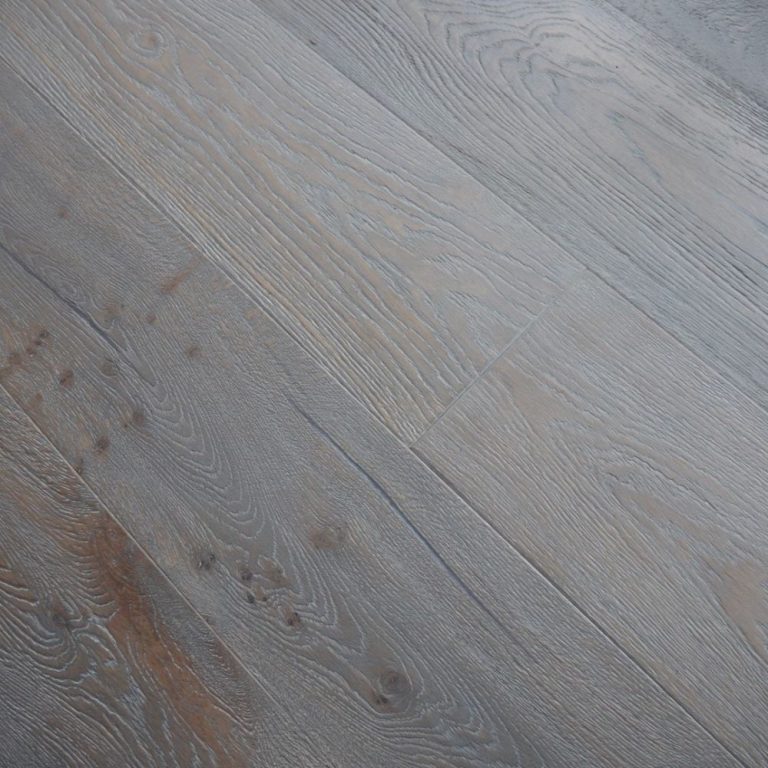
Colour runs the full width of the oak palette. Distressed and Light Brown sit at the warm end, Natural and Golden Brown in the middle, White at the pale end, and Smoked Grey, Smoky and Dark at the cool, deep end. Because the grade allows knots and colour variation, the sample you hold is a representative board, not an exact one. Order two samples from the same colour if you want to see the range of variation before deciding.

The formats are the practical difference. The 14 mm boards at 190 mm wide carry a 3 mm wear layer; the 15 mm boards at 220 mm wide carry 4 mm; and the two 20 mm boards at 190 mm wide carry 6 mm. All are tongue and groove with a micro-bevelled edge, and all are listed as compatible with underfloor heating. The thicker wear layers matter if the floor will be sanded back and re-finished in the years ahead, and the manufacturer's warranty rises from 15 years to 20 years on the 20 mm boards.

For a patterned floor in the same aged colour, the Oxford Herringbone Antique Brown block is 14 mm by 125 mm by 600 mm with a 3 mm wear layer. Read the herringbone notes before ordering: patterned floors need more cutting allowance than planks, and the amount is a manufacturer figure rather than a standard.

The board named above