What is the best flooring for bathrooms?
The best bathroom flooring is usually the one that combines reliable water resistance, simple maintenance and a finish that suits the rest of your interior. Bathrooms are exposed to regular moisture, changes in temperature and frequent cleaning, so practicality matters as much as design.
For most homes, porcelain tiles, ceramic tiles and waterproof LVT are among the strongest options. Each offers different benefits depending on whether your priority is maximum durability, softer comfort underfoot or a more seamless modern look.
If you are comparing wider room-by-room flooring ideas too, you can also explore our flooring articles, insights & trends and flooring collections.
01Prioritise water resistance
Bathrooms need flooring that performs confidently in humid, wet environments.
02Choose a practical finish
The right surface should be easy to clean, durable and suitable for daily use.
03Match the design
The best bathroom flooring should feel cohesive with your wider interior style.
Bathroom prioritiesWhat matters most when choosing bathroom flooring?
Bathrooms place very specific demands on flooring. Unlike living rooms or bedrooms, this is a room where water resistance is non-negotiable and long-term suitability matters hugely.
The right bathroom floor should not only handle splashes and humidity, but also feel safe, easy to clean and visually balanced within the room. For many homeowners, underfloor heating compatibility and comfort underfoot are also important.
- Water resistance: essential for bathrooms, shower rooms and en suites
- Easy maintenance: surfaces should clean easily and hold up well over time
- Slip awareness: surface texture and finish should support safe everyday use
- Comfort: some homeowners want a softer feel underfoot than tile alone provides
- Style compatibility: the flooring should suit your walls, fittings and wider design direction
Best bathroom flooring options compared
Several flooring materials can work in bathrooms, but some clearly perform better than others. The strongest options are those designed to handle moisture confidently while still supporting the overall style of the room.
| Material | Main strengths | Best for |
|---|---|---|
| Porcelain tiles | Highly durable, waterproof, low maintenance and ideal with underfloor heating | Main bathrooms, en suites, shower rooms and family bathrooms |
| Ceramic tiles | Water-resistant, versatile, cost-effective and available in many styles | Bathrooms where style and value both matter |
| LVT flooring | Waterproof, comfortable underfoot, easy to clean and available in wood or stone looks | Modern bathrooms, family homes and comfort-led spaces |
| Natural stone look tiles | Premium visual appeal, timeless design and strong bathroom suitability | Luxury bathrooms and high-end design-focused interiors |
Porcelain and ceramic tiles for bathrooms
Porcelain and ceramic tiles remain some of the best bathroom flooring choices for good reason. They are highly practical, visually versatile and proven to perform well in wet spaces over the long term.
Porcelain is generally denser and more durable, making it especially strong for bathrooms with heavy regular use. Ceramic can also work beautifully, especially where design flexibility and budget balance are important.
Why tiles work so well in bathrooms
- Excellent moisture resistance and long-term reliability
- Easy to clean and well suited to regular bathroom maintenance
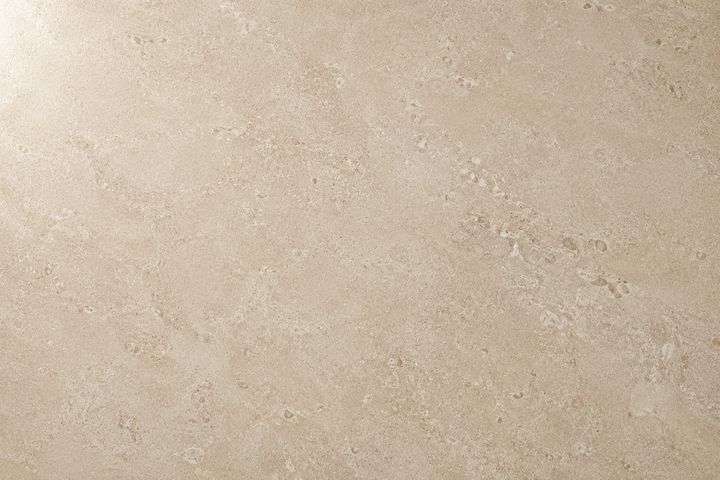
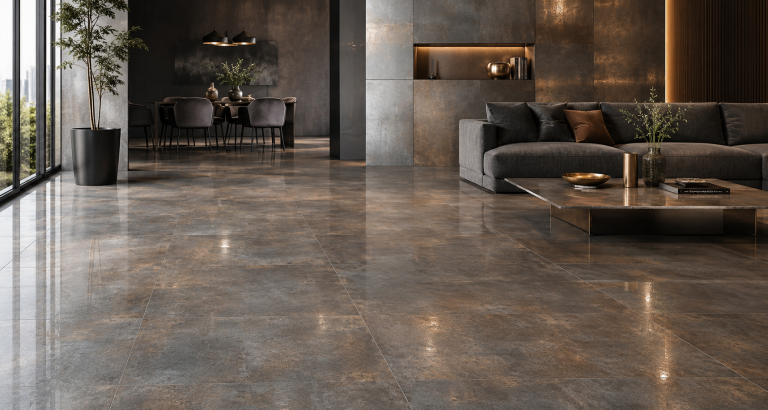
- Available in stone, concrete, marble and modern neutral looks
- Strong compatibility with underfloor heating systems
If your priority is durability, timeless style and proven bathroom performance, tiles are often the safest and strongest route.
Option 2LVT flooring for bathrooms
LVT is one of the best alternatives to tile for bathrooms, especially if you want a softer and slightly warmer feel underfoot. Because it is waterproof and easy to maintain, it is increasingly popular in modern homes.
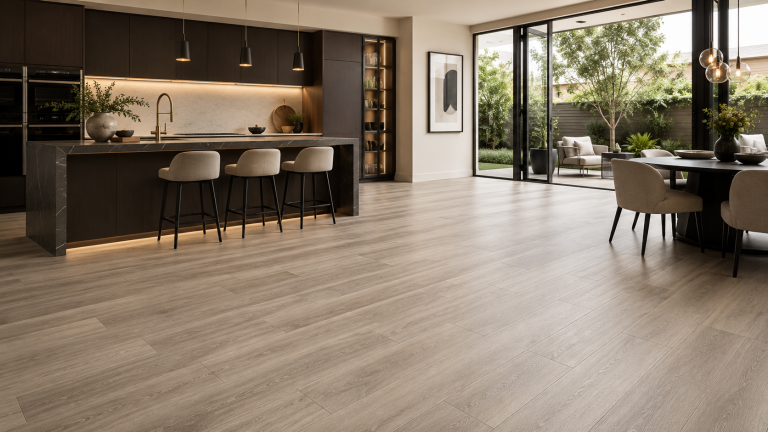
LVT also offers strong design flexibility. If you like the look of wood or stone but want a more forgiving surface in a bathroom, it can be a very smart solution.
Why LVT works well in bathrooms
- Waterproof and suitable for wet-prone spaces
- Easy to clean and comfortable for everyday use
- Available in wood, tile and stone-inspired finishes
- Ideal for homes where comfort matters as much as practicality
Choose the right bathroom flooring style and finish
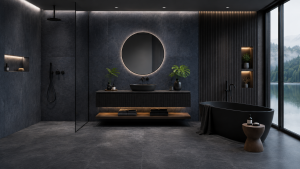
Bathroom flooring affects how bright, spacious and calm the room feels. The finish you choose can make the space feel more minimal, more luxurious or more naturally relaxed depending on the overall design direction.
Stone, concrete and soft neutral tile looks remain some of the most popular bathroom flooring styles because they feel timeless and easy to combine with different fittings and wall colours. Wood-effect bathroom flooring can also work beautifully when you want warmth and a softer, spa-like mood.
- Light natural tones can help bathrooms feel brighter and more open
- Stone and concrete looks suit modern and architectural interiors
- Wood-effect flooring can soften the room and create a warmer spa-inspired feel
- Larger tile formats often create a cleaner, less interrupted surface
What to check before buying bathroom flooring
Bathroom flooring needs to be technically suitable as well as visually attractive. Even the best-looking floor can disappoint if the installation conditions, waterproofing or subfloor preparation are not handled properly.
- Subfloor suitability: it should be level, stable and appropriate for the flooring type
- Waterproofing: bathrooms may require proper tanking or moisture protection measures
- Slip resistance: check the finish and surface texture for bathroom use
- Underfloor heating: confirm compatibility before installation
Plan your bathroom flooring budget properly
Bathroom flooring costs involve more than the product alone. A realistic budget should also allow for preparation, adhesives, trims, waterproofing measures and professional installation where needed.
Because bathrooms are technical rooms, it is often worth prioritising installation quality over cutting costs too aggressively. A well-installed bathroom floor is far better value over time than a cheaper option that risks problems later.
- Include adhesives, trims, levelling and preparation materials in the budget
- Allow for waterproofing needs where relevant
- Choose a product that balances long-term performance with your design priorities
- Professional installation is often worth it in bathroom projects
Frequently asked questions about bathroom flooring
What is the best flooring for bathrooms?
For many homes, porcelain tiles and waterproof LVT are among the best bathroom flooring options because they combine strong moisture resistance, easy maintenance and long-term practicality.
Is LVT good for bathrooms?
Yes, LVT can be an excellent bathroom flooring choice. It is waterproof, easy to clean and more comfortable underfoot than harder surfaces such as tile.
Are tiles still the best choice for bathrooms?
Tiles remain one of the strongest and most reliable options for bathrooms, especially where durability, water resistance and timeless design are the main priorities.
Can you use wood flooring in bathrooms?
In general, bathrooms are better suited to waterproof flooring types such as porcelain, ceramic or LVT. Wood-based flooring is usually not the first choice in high-moisture environments.