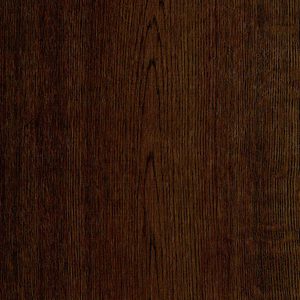
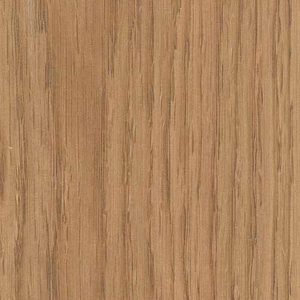
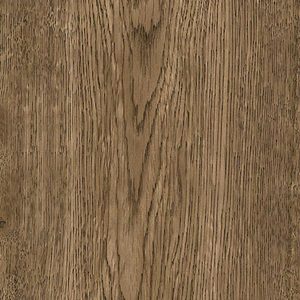
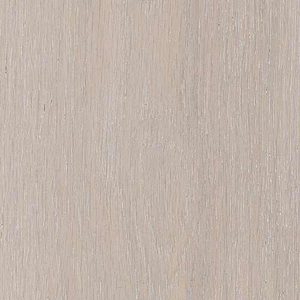
Samples available UK-wide delivery

Your Basket 0

Your basket is empty

Browse our editorial collections and find your perfect floor.

Browse Collections
Subtotal £0.00
Shipping & discounts calculated at checkout
SSL Encrypted - Safe and Secure
Products
View all results
Insights & Trends · Comparison guide

Solid Wood vs Engineered Wood Flooring: The Honest Comparison

Solid oak or engineered oak? Stability, underfloor heating, refinishing, lifespan and price compared honestly, and why most modern homes are better with engineered.

7 min read Expert editorial Samples from £1.99

Both floors are 100% real oak where it counts: on the surface you live on. The difference is what sits underneath, and that difference decides where each floor can go, how it behaves through British seasons, and which one your home actually needs. Here is the honest version, including why we often talk buyers OUT of solid wood.

Solid WoodEngineered Wood
ConstructionOne piece of timberOak wear layer on multi-ply core
SurfaceReal oakReal oak, identical to look at
Movement with humiditySignificantMinimal; core locks it flat
Underfloor heatingGenerally not recommendedYes, UFH-approved boards
Concrete subfloorsDifficultStraightforward
Sanding potentialMany times1 to 2 times (2 mm+ wear layer)
Typical supply price£45 to £90 per m²£40 to £80 per m²

The same oak, two structures

Once fitted, you cannot tell them apart by eye or underfoot: the grain, the warmth and the sound are identical because the surface is the same timber. Solid boards are milled from one piece of oak top to bottom. Engineered boards bond that oak onto a layered core that neutralises timber’s one weakness: movement.

Solid oak swells and shrinks with every season, which is why it needs generous expansion gaps, careful acclimatisation and stable room conditions. Engineered oak was invented to remove exactly those constraints.

Where each floor can actually go

Modern homes work against solid wood: concrete subfloors, underfloor heating, open-plan spaces with wide temperature swings and kitchens in the same airspace. Engineered handles all of it, which is why it now dominates quality wood flooring in the UK.

Solid wood still earns its place in period properties with suspended timber subfloors, rooms without UFH, and restorations where matching original boards matters. Its deep sanding reserve means a solid floor can be renewed for generations.

Lifespan, refinishing and value

A solid floor’s headline advantage is refinishing depth: sanded every decade or two, it can outlive the building. But an engineered board with a 4 to 6 mm wear layer offers one or two full refinishes too, which realistically covers 30+ years of family life; most floors are replaced for style reasons before they are worn out.

On price the honest surprise is that solid is not the premium product any more: comparable engineered oak often costs the same or less, fits faster, and carries none of the movement risk. Estate agents and buyers value both identically: they see real oak.

Common questions

Is engineered wood real wood?
Yes. The surface you walk on is genuine oak, typically 2 to 6 mm thick, bonded to a stabilising core. Once fitted it is visually and underfoot identical to solid oak.
Which lasts longer, solid or engineered wood?
Solid wood can be sanded more times, so its ultimate ceiling is longer. In practice an engineered floor with a thick wear layer serves 30 years or more with one or two refinishes, which outlasts most owners’ style preferences.
Why is solid wood not recommended with underfloor heating?
Heating cycles dry single-piece timber unevenly, causing shrinking, cupping and gaps. Engineered boards keep the oak surface flat through those cycles and are the manufacturer-approved real-wood route over UFH.
Is solid wood more expensive than engineered?
Often not any more. Comparable specifications overlap heavily, and engineered frequently comes in cheaper once faster fitting and simpler subfloor preparation are counted.

More buying guides

Plan your project

Ready to choose your new floor?

Order samples, get expert advice on the right flooring for your home, or browse our full range online.