Samples available UK-wide delivery
Shop by category
Pro Portal
4.6 Trustpilot 2400+ orders delivered UK-wide delivery

Your Basket

0

Your basket is empty

Browse our editorial collections and find your perfect floor.

Browse Collections
Subtotal £0.00
Shipping & discounts calculated at checkout
SSL encrypted — safe and secure
Collection

Light Oak

Bright tones with a fresh, airy feel. Light oak brings soft natural colour, warmth and a spacious look into your home. A beautiful choice for smaller rooms, modern interiors or spaces that need light, calm and lasting style.

2 products

Light Oak · The look

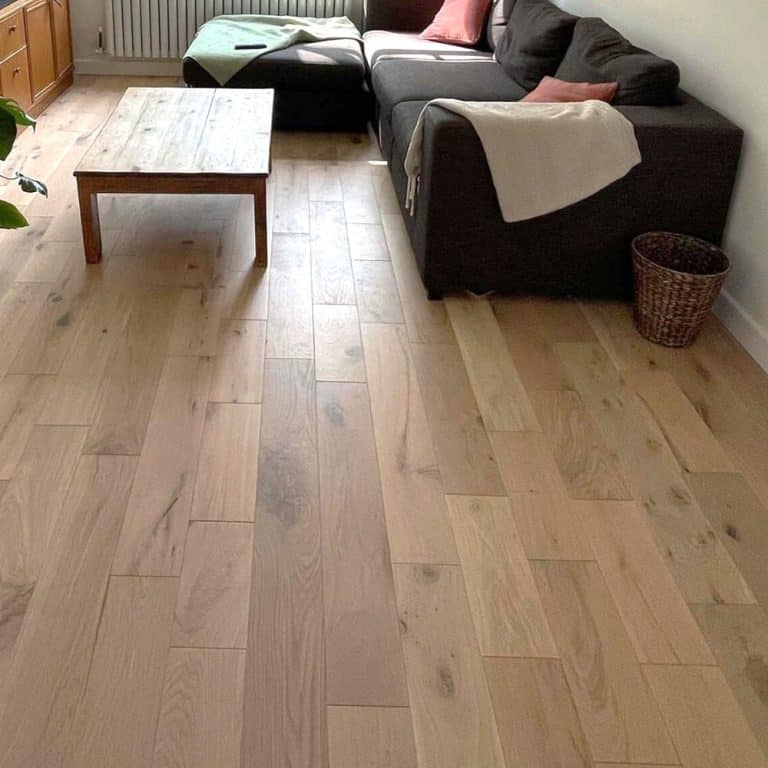
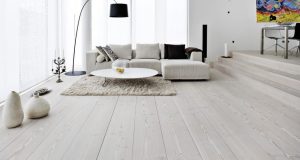
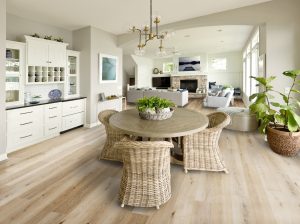
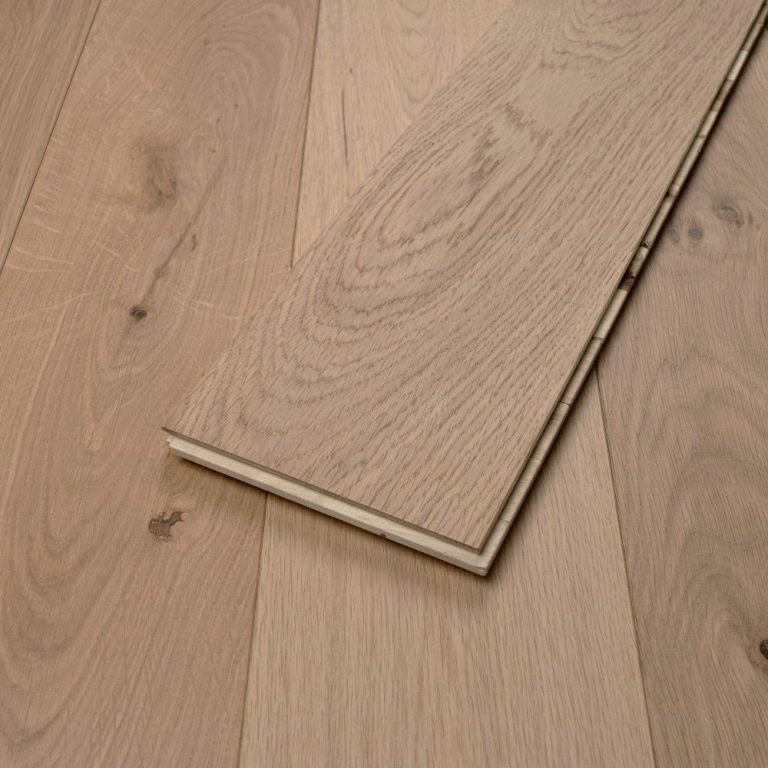
Light Oak is engineered oak finished to keep the pale colour of freshly sanded timber. Two Cobham boards at 150 mm wide, one invisible oiled and one invisible brushed matt lacquered, both with a 3 mm wear layer and neither with the amber tint a conventional finish adds.

The colour of bare oak
An invisible finish is one formulated not to darken the wood. The result looks like sanded oak that has not been finished at all, which is the pale, dry look of Scandinavian interiors.
Makes small rooms larger
A pale floor bounces light back into the room and blurs the line between floor and wall. In a narrow hallway or a small bedroom it is the single decision that most changes the sense of space.
Shows more, hides less
Pale floors show dark marks and grit more readily than mid tones. Both boards are brushed, which helps, and a doormat at each external door does more than any finish.
What does an invisible finish mean?
A finish, oil or lacquer, that is formulated to protect the surface without adding the warm amber tint that a conventional finish gives oak. The Cobham Invisible Oiled board uses an oil of that kind; the Cobham Light Oak board uses a brushed matt lacquer of the same idea.
Will a light oak floor yellow?
Oak mellows with daylight whatever the finish, and an invisible finish slows that rather than stops it. Because the change is gradual and even, it shows mainly where a rug has stayed in one place. Move rugs during the first year and the floor ages as one surface.
Oiled or lacquered, for a light floor?
The oiled board can be re-oiled locally where it wears, which suits a hallway. The lacquered board wears harder on the surface but is refinished as a whole floor. In a bedroom or living room either is a sound choice; in a busy through-room the oil is easier to keep looking even.
How do I order the right amount?
Use the calculator on any product page, or order by box or pallet, we add 10% for cuts and waste automatically.
Do you deliver UK-wide and can I get a sample first?
Yes, kerbside pallet delivery nationwide, and samples from £1.99 so you can check colour and finish at home first.

Still unsure? Real people, honest advice.

In depth

Choosing light engineered oak

Light oak in this range means two things at once: a pale board, and a finish designed not to darken it. Ordinary oil and lacquer add an amber cast to oak that most people think of as the natural colour of the wood; an invisible finish keeps the raw, sanded tone instead. The Cobham Invisible Oiled board does that with an oil, and the Cobham Light Oak board does it with a brushed matt lacquer. Both are 14 mm thick, 150 mm wide in lengths from 300 mm to 1200 mm, tongue and groove with a micro-bevelled edge, and both carry a 3 mm wear layer and a 15 year manufacturer's warranty.

The grades differ. The Invisible Oiled board is Rustic, with more knots and colour play; the Light Oak board is Classic, calmer and more even. On a pale floor that difference is more visible than on a dark one, because there is nothing to hide the knots behind. If the room is meant to feel quiet and Scandinavian, the Classic board is the closer match; if it is a cottage or a converted barn, the Rustic board looks right.

The practical trade-off with any pale floor is that it shows dirt and dark scratches more than a mid-tone board does. Brushing helps, because the texture breaks up the reflection that makes marks visible, and both boards are brushed. Beyond that it is doormats, felt pads and the low-moisture cleaning routine that every wood floor asks for. Both boards are listed as compatible with underfloor heating.

If the scheme wants a pale floor with a little more warmth, the natural oak range is the next step; if it wants the pale grain with a cool tint, the washed greys are the alternative.

The boards named above