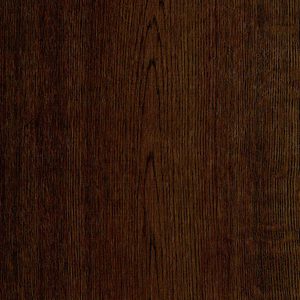
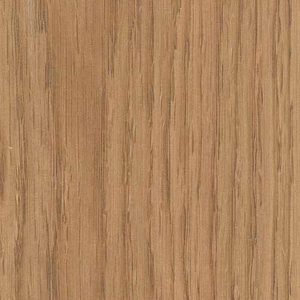
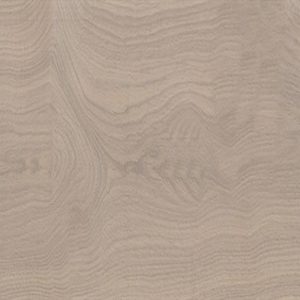
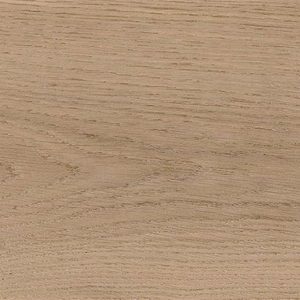
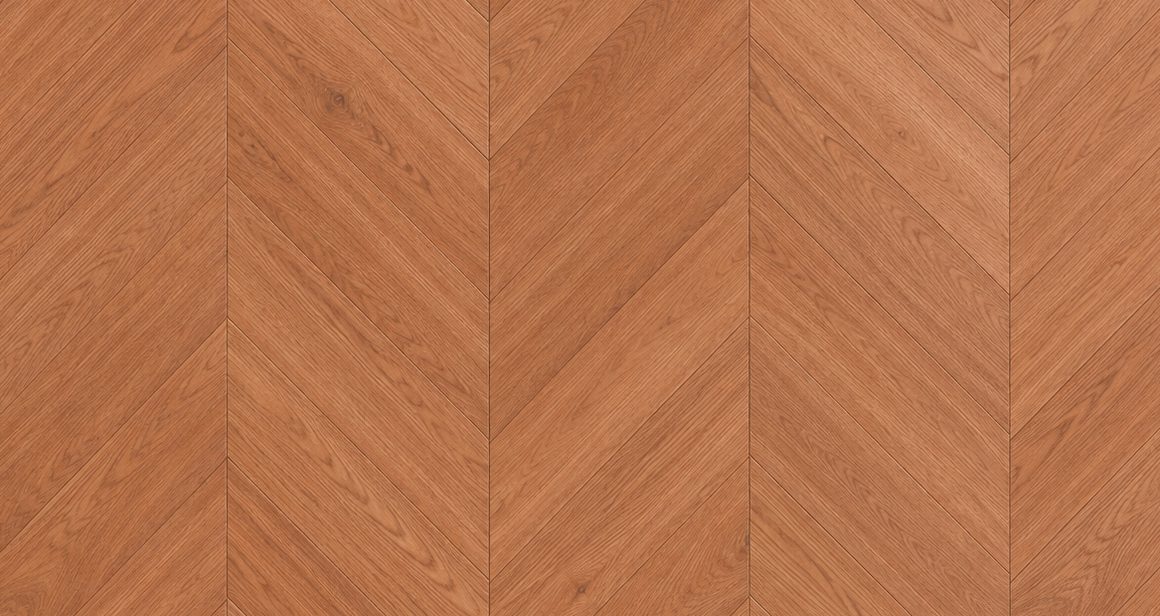
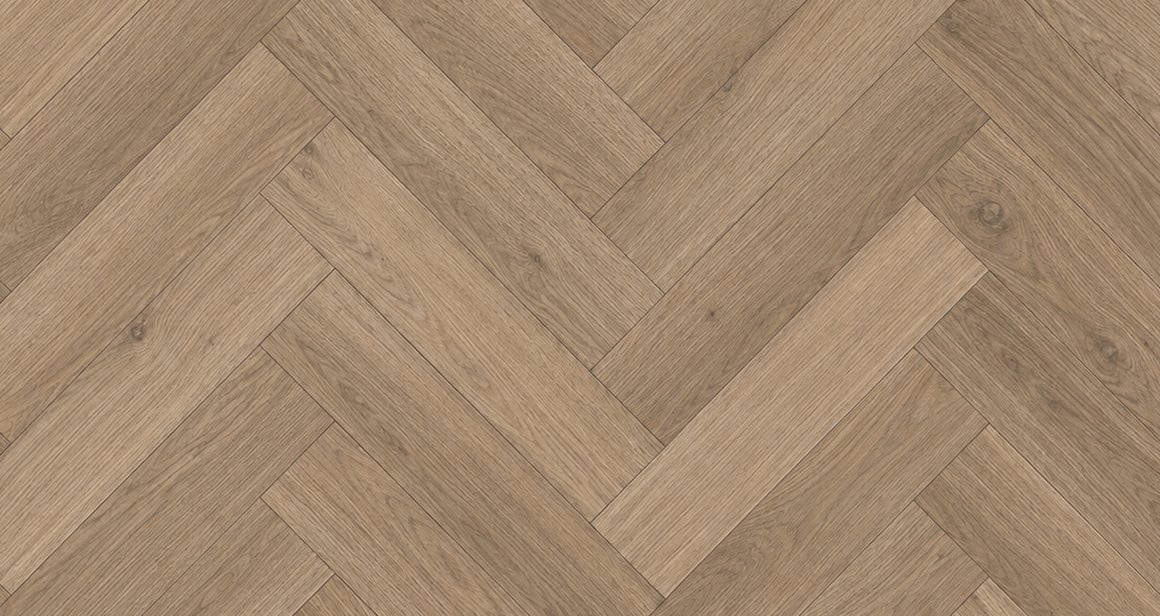
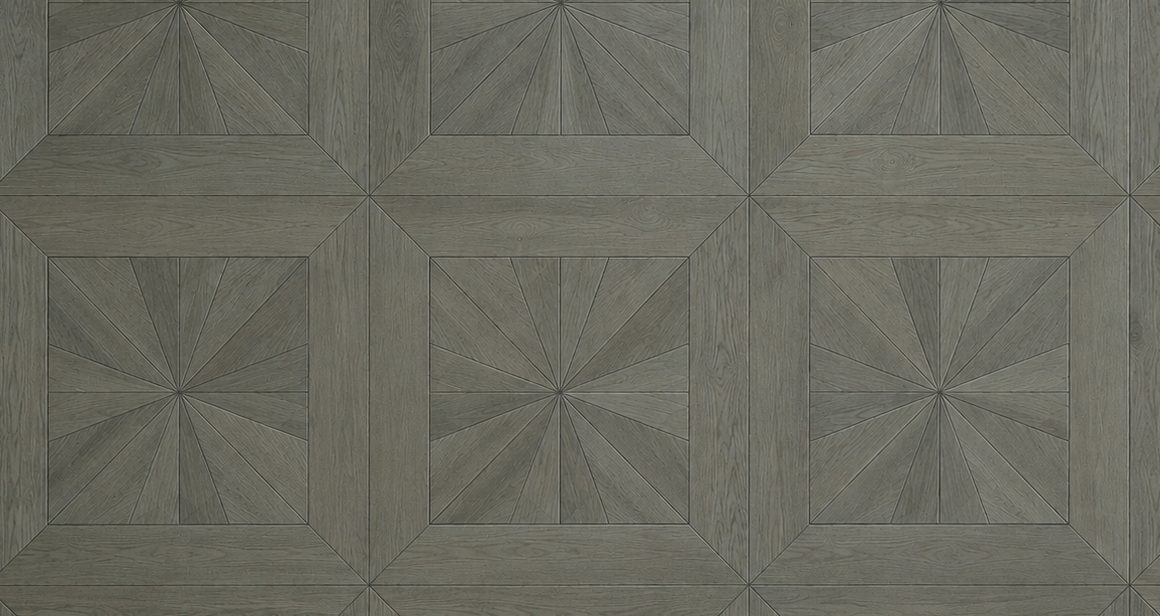
Browse our editorial collections and find your perfect floor.
Browse CollectionsBrowse our editorial collections and find your perfect floor.
Browse CollectionsWhat actually goes into the cost of a floor, beyond the price on the product page. The items people forget, and where the money really goes.
The figure on a product page covers the boards. A finished floor costs that plus several things that are easy to leave out of a mental sum, and the gap between the two is where budgets go wrong.
We have deliberately not published price ranges on this page. Prices move, they differ by range and by pattern, and a range quoted here would be out of date before it was useful. The live figure is on each product page. What follows is the list of everything else.
Work down this list and you will have a number you can trust.
This is where the real money is saved or lost.
Our trade programme is worth knowing about if you fit floors or buy for projects.
Each entry is quoted from its source and linked to it. The full set is in the standards reference.
There is no published industry standard for cutting waste; the figures come from manufacturers' own guidance and they vary. Havwoods advises 8-12 % wastage for planks and 15-20 % for patterned floors such as herringbone or chevron. Quick-Step's UK guidance for laminate is 5 % extra in a regular room and 10 % in a room with many angles or curves.
| Wastage allowance, plank floors (Havwoods UK) | 8-12 % |
|---|---|
| Wastage allowance, herringbone or chevron (Havwoods UK) | 15-20 % |
| Extra to order, regular room, laminate (Quick-Step UK) | 5 % |
| Extra to order, room with many angles or curves, laminate (Quick-Step UK) | 10 % |
“For planks we typically advise on 8-12% wastage and patterned floors, such as herringbone or chevron, may need 15-20% wastage.”
Source: Havwoods UK - FAQs: How Much Wastage Shall I Encounter For? · second sourceBS 8204 defines three surface regularity classes for screeds and concrete bases, SR1, SR2 and SR3, measured as the maximum deviation below a 2 m straightedge placed directly on the surface.
| SR1 (max deviation under 2 m straightedge) | 3 mm |
|---|---|
| SR2 (max deviation under 2 m straightedge) | 5 mm |
| SR3 (max deviation under 2 m straightedge) | 10 mm |
| straightedge length | 2 m |
“Surface regularity classes are given in BS 8204 as SR1, SR2 and SR3 relating to 3mm, 5mm and 10mm respectively.”
Source: Surface regularity - straightedge method | The Concrete SocietyUnsubscribe anytime
Room inspiration, practical advice, selected offers and useful updates for your project.
No spam. Unsubscribe any time.