In depthHow to choose LVT
Every floor in this range is the same kind of floor: a BML SPC click plank, block or tile with a printed design under a clear wear layer on a solid polymer core, with the underlay attached. All 36 are listed as waterproof, commercial grade and compatible with underfloor heating, and all carry a 25 year manufacturer's warranty. SPC stands for solid polymer core, and the industry definition of it, quoted below, is the reason to choose the range over wood or laminate: the core takes on no water and does not swell, so the floor goes into the kitchen, the bathroom and the utility room where neither of those can.
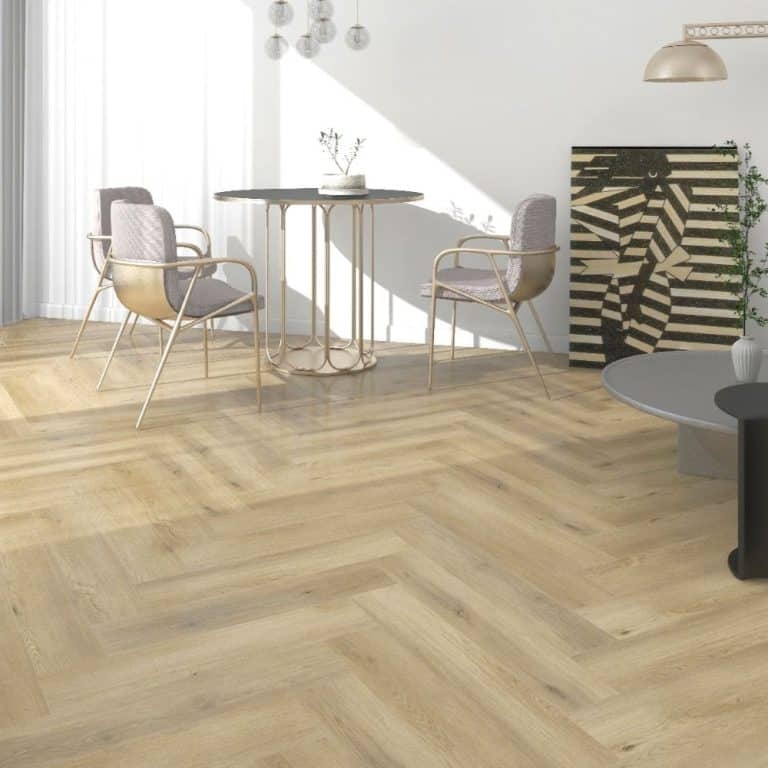
The first decision is format, because the four formats carry two different wear layers. The 5.2 mm plank at 181 mm by 1220 mm has a 0.3 mm wear layer and is the floor for bedrooms and living rooms. The 6.5 mm floors carry 0.55 mm, and come as a 228 mm by 1524 mm wide plank, a 126 mm by 630 mm herringbone block and a 305 mm by 610 mm tile. The wear layer is the clear film over the design, the part a chair leg and hallway grit act on, and it is the number to write down for a busy room. The classification the flooring standards use to describe intensity of use is quoted below; the wear layer is how a vinyl floor answers it.
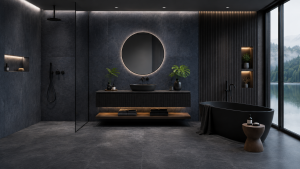
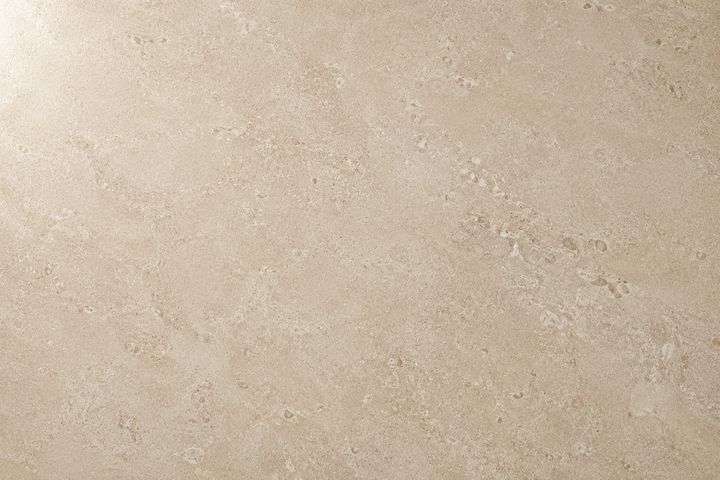
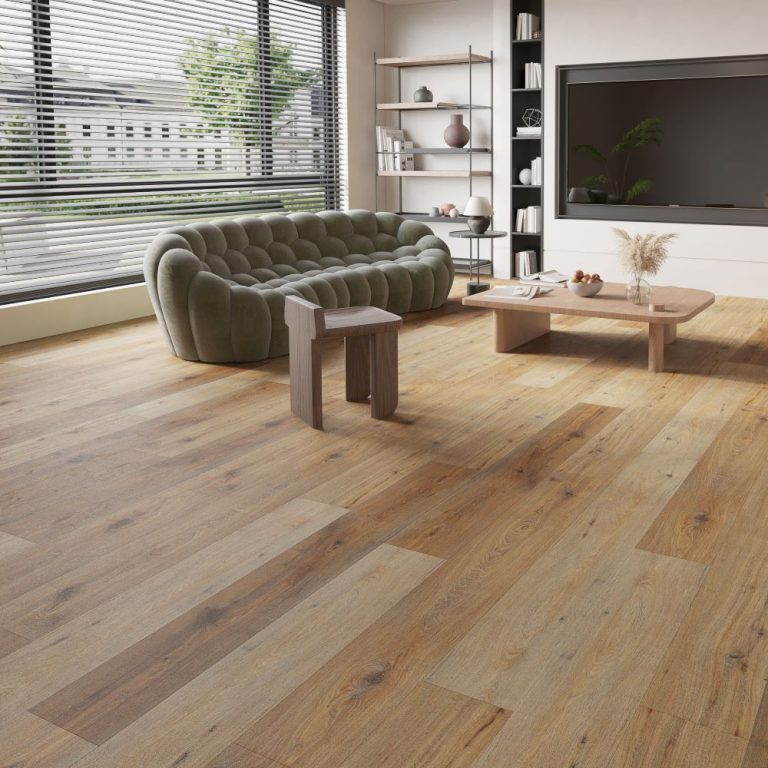
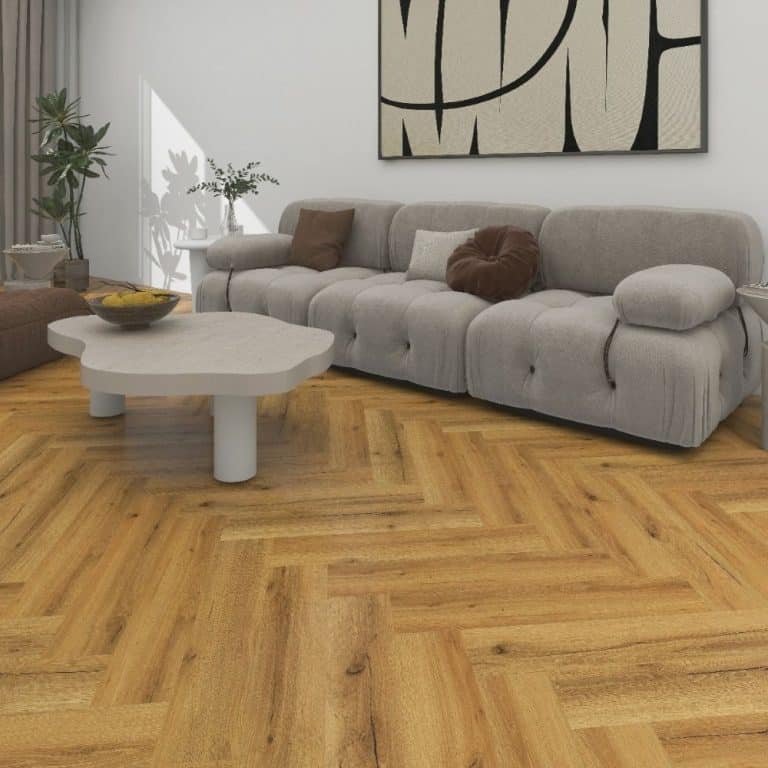
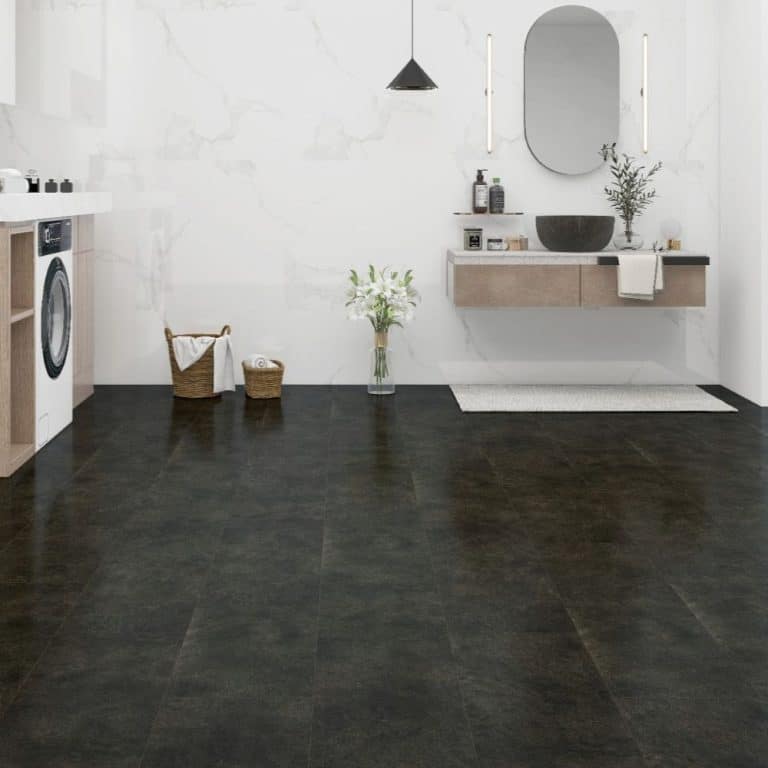
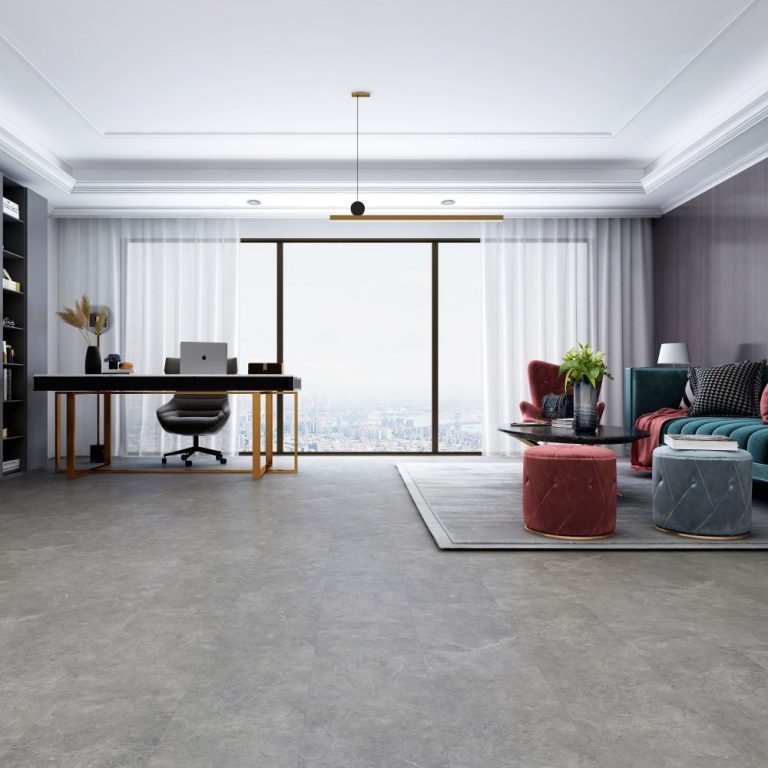
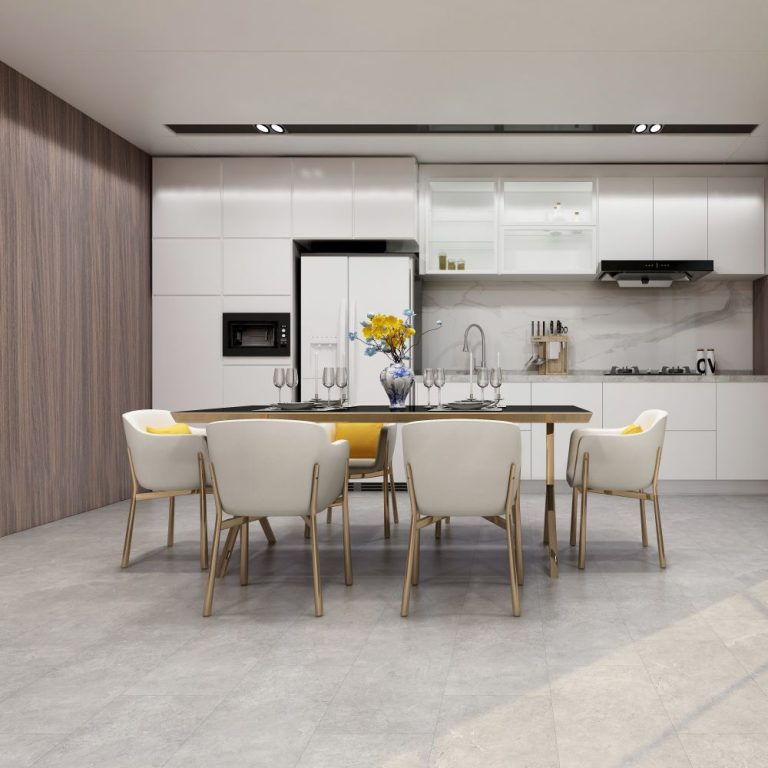
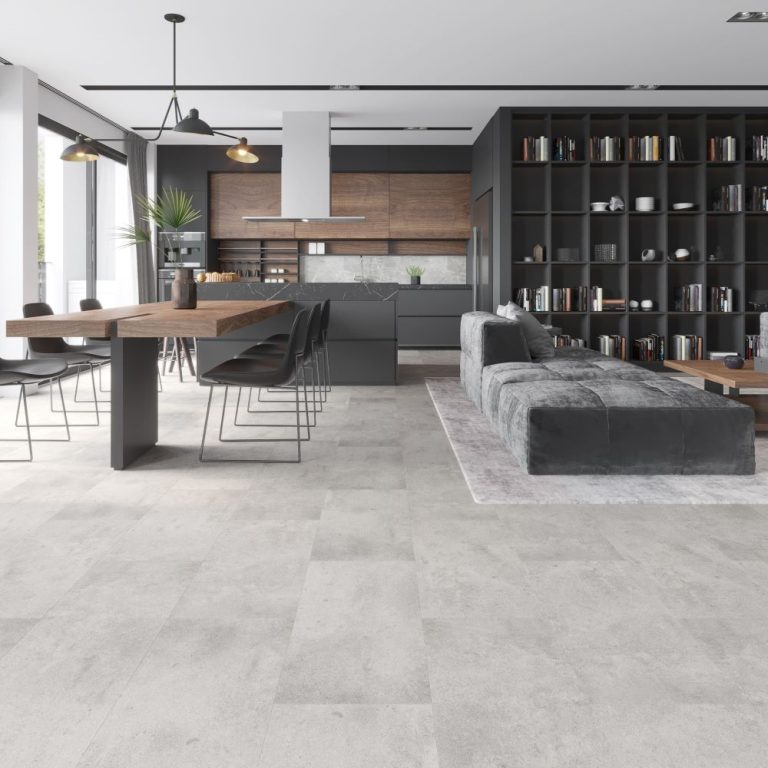
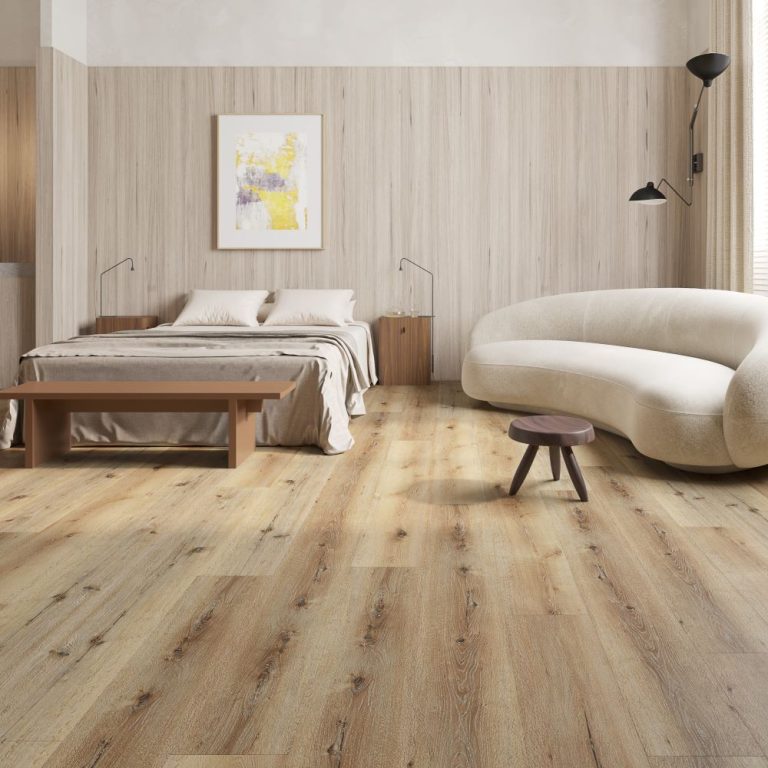
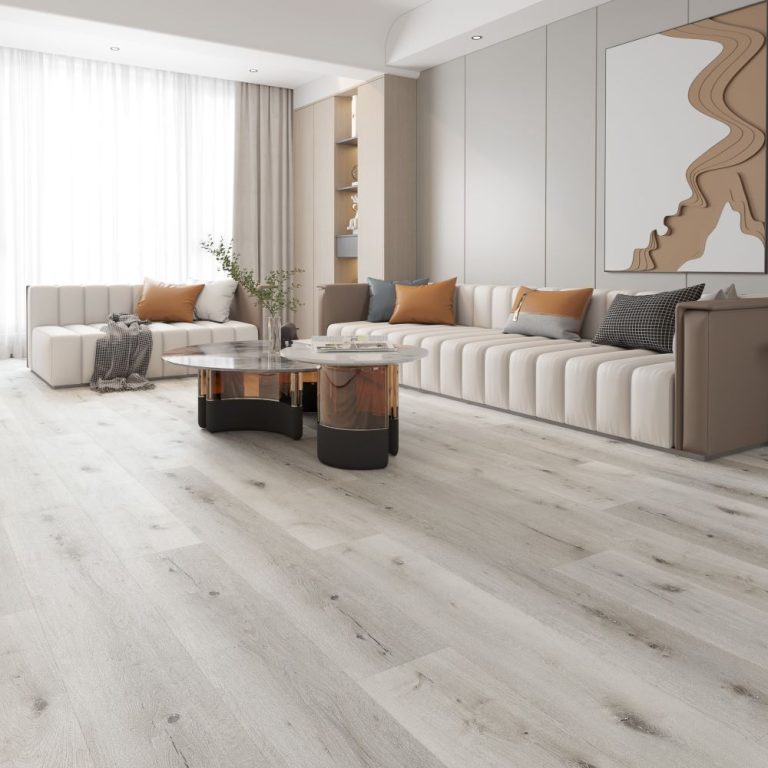
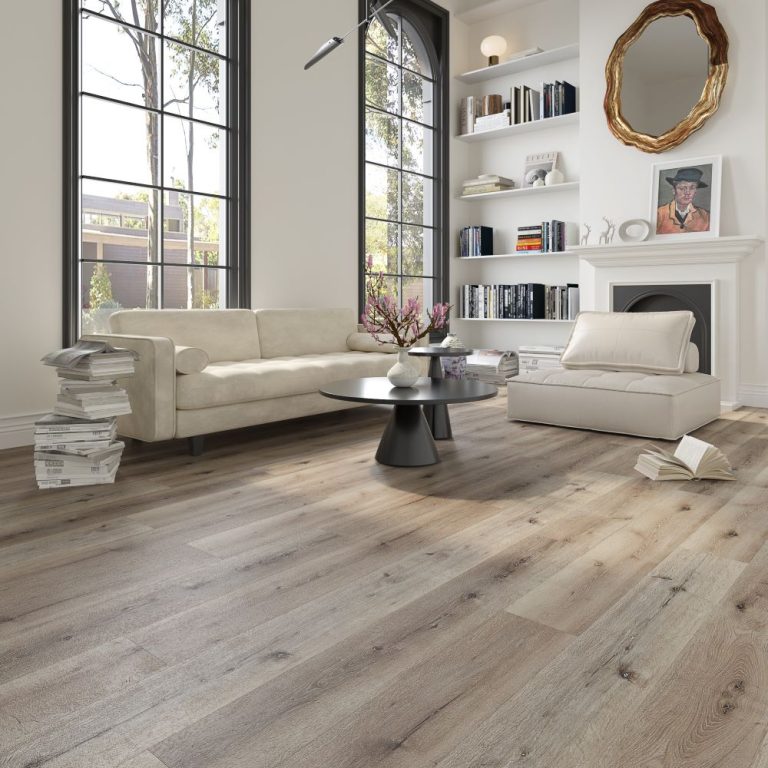
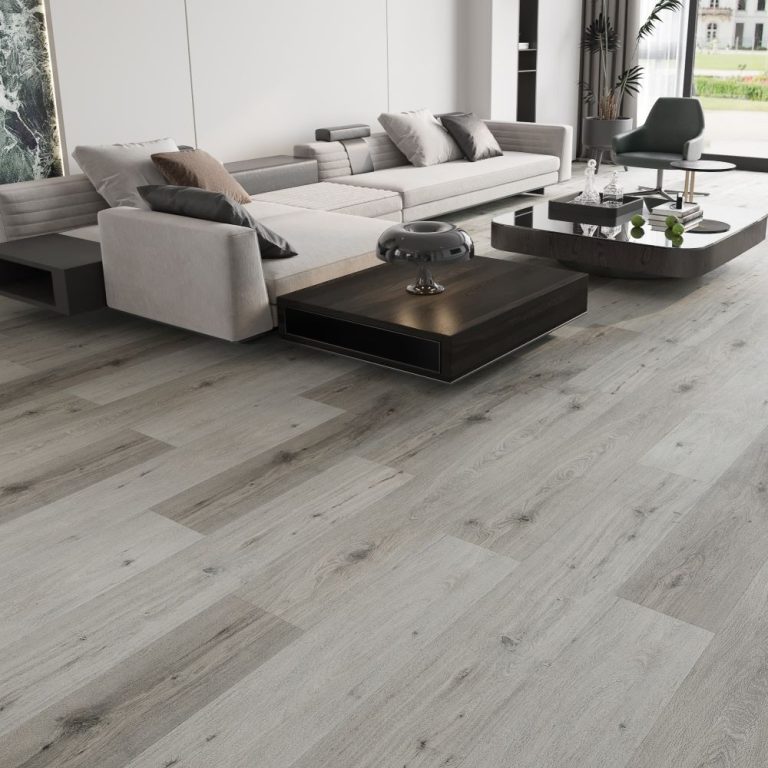
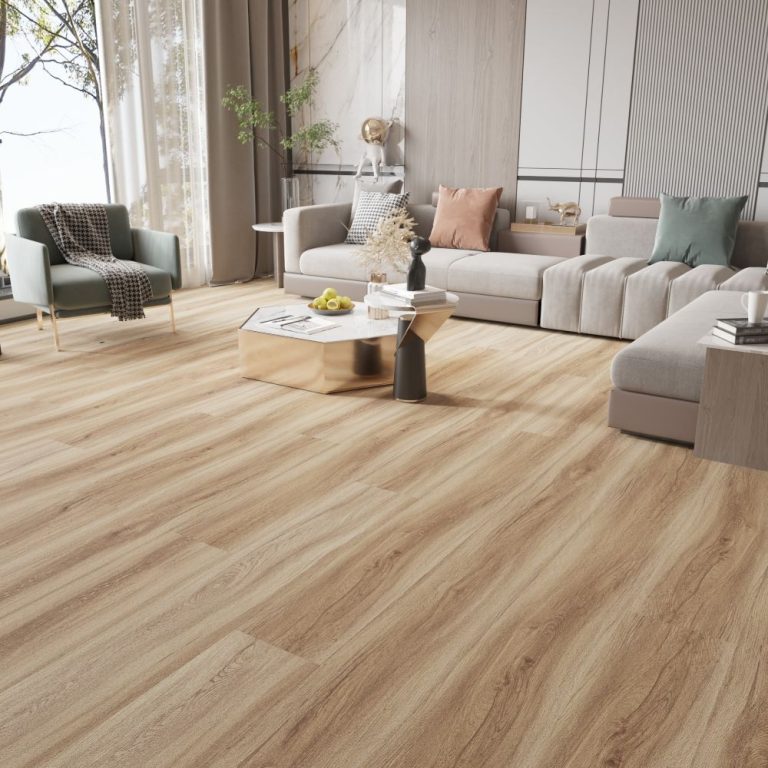
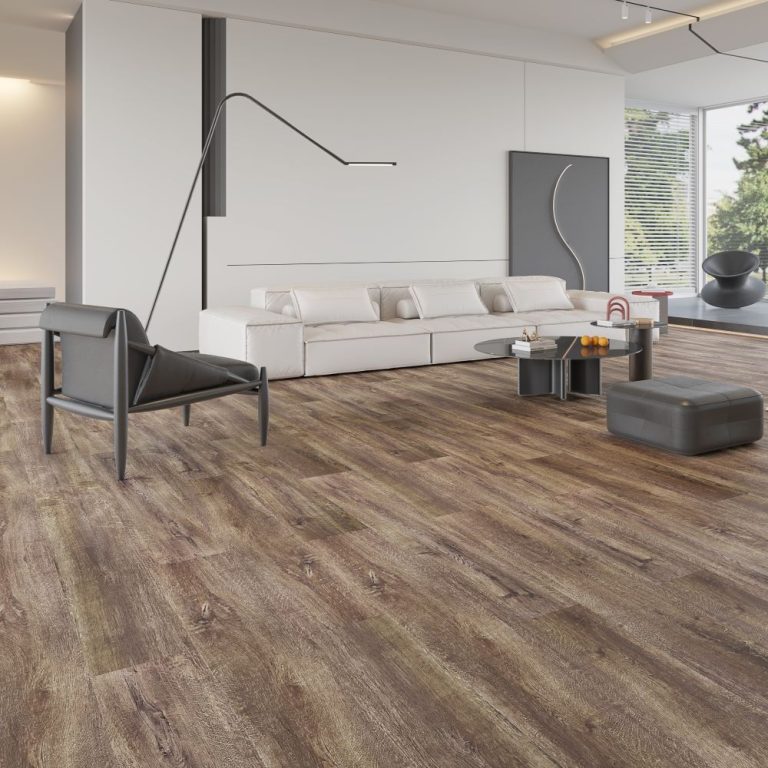
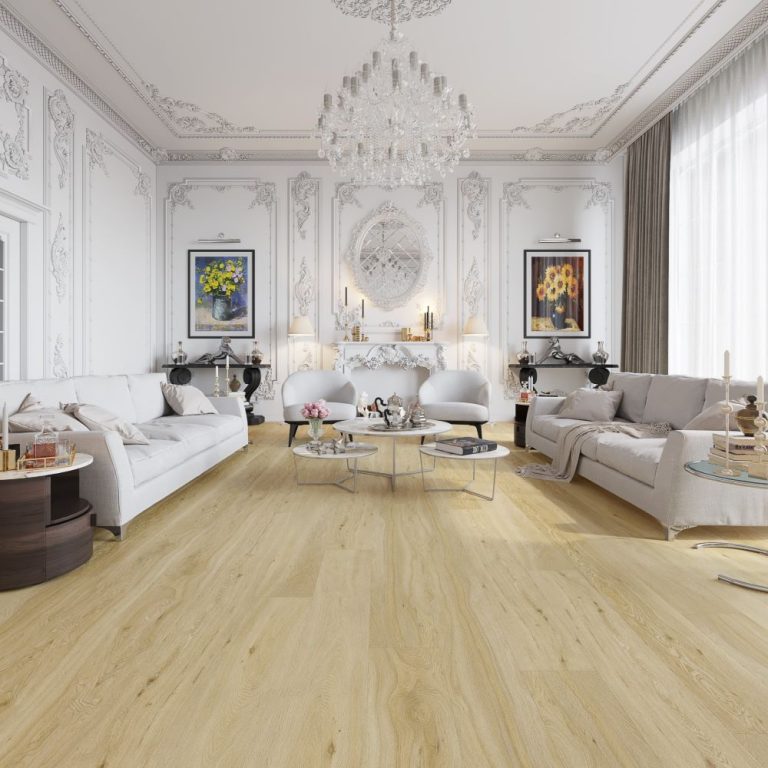
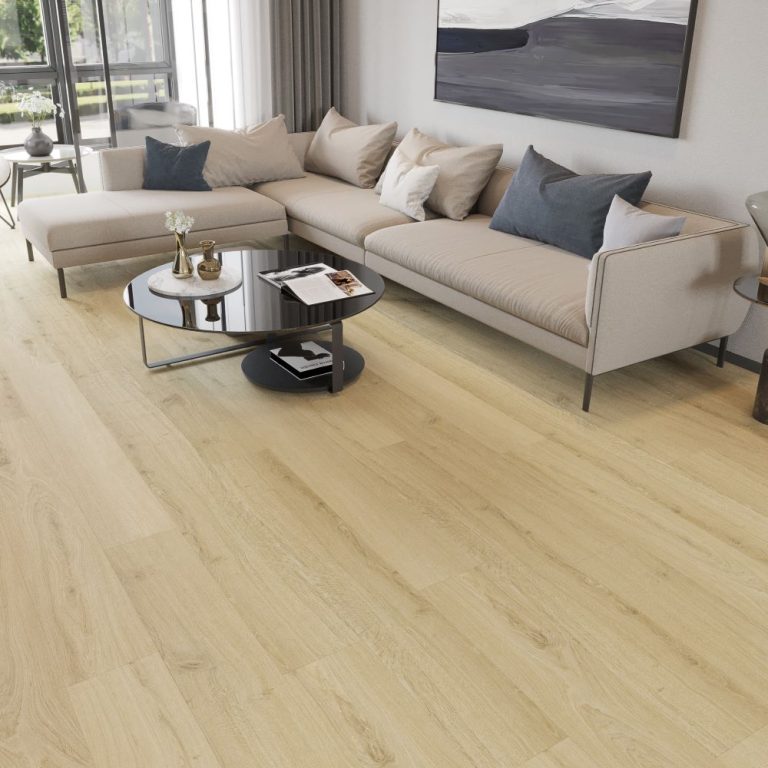
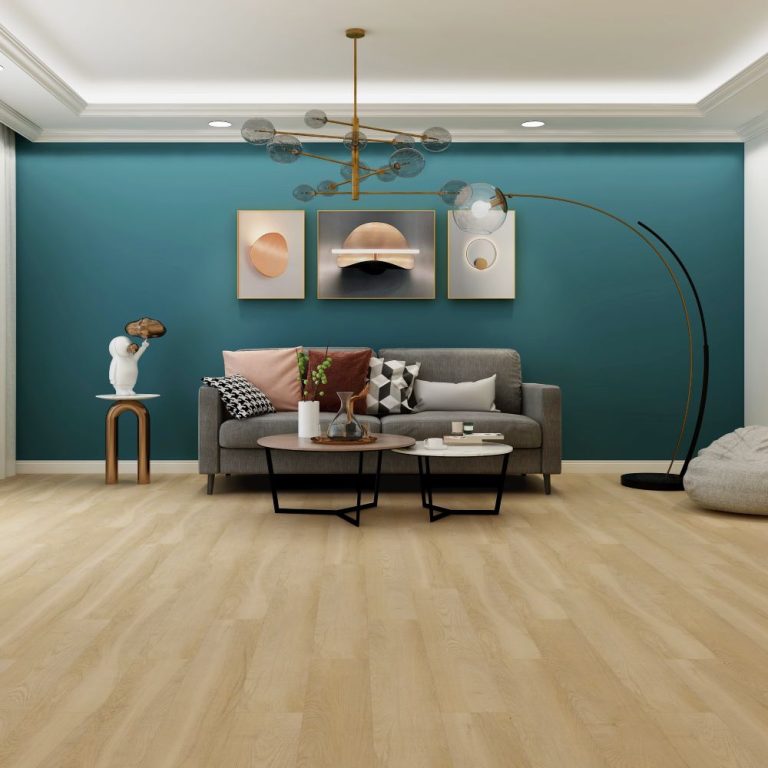
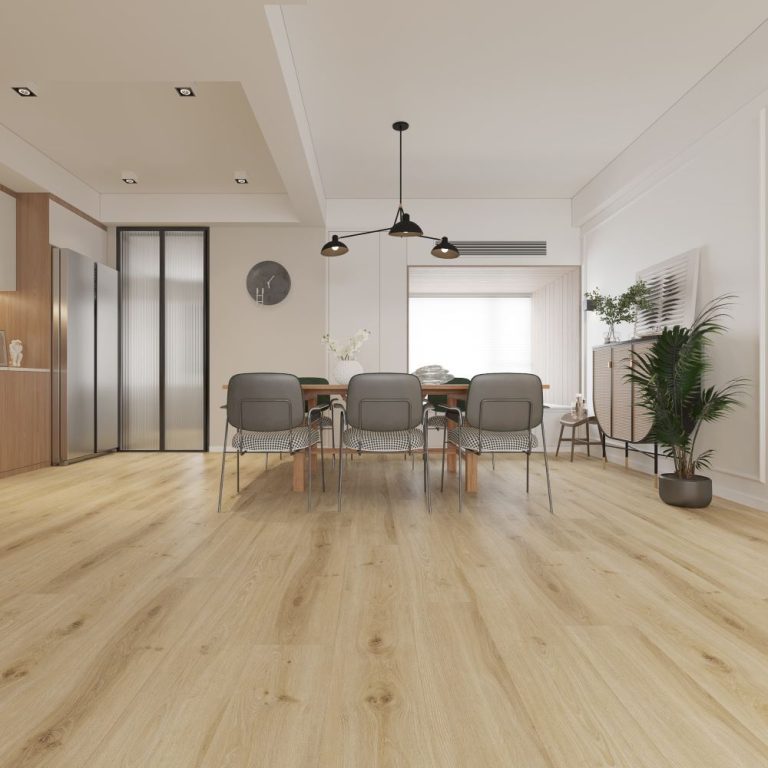
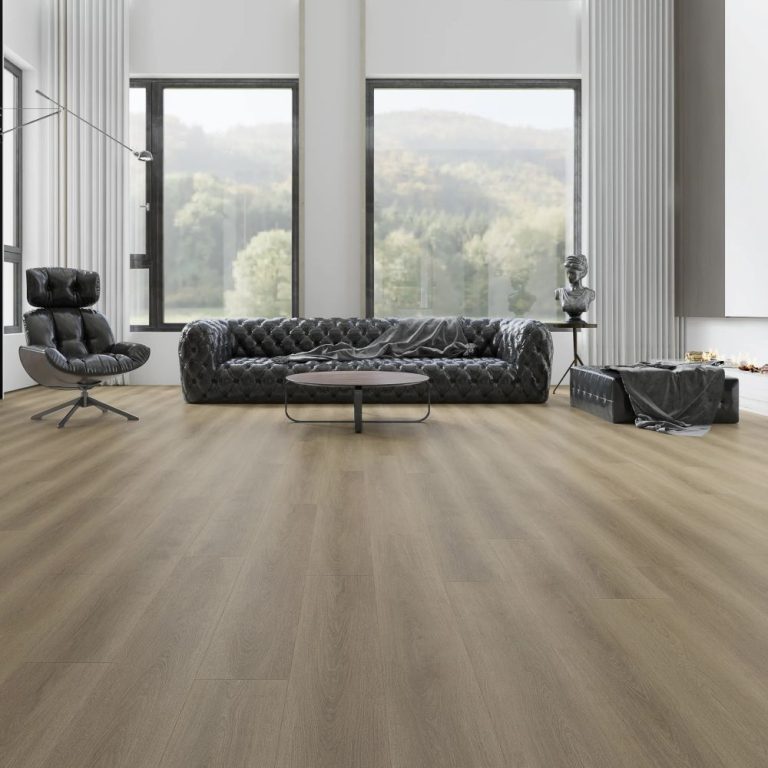
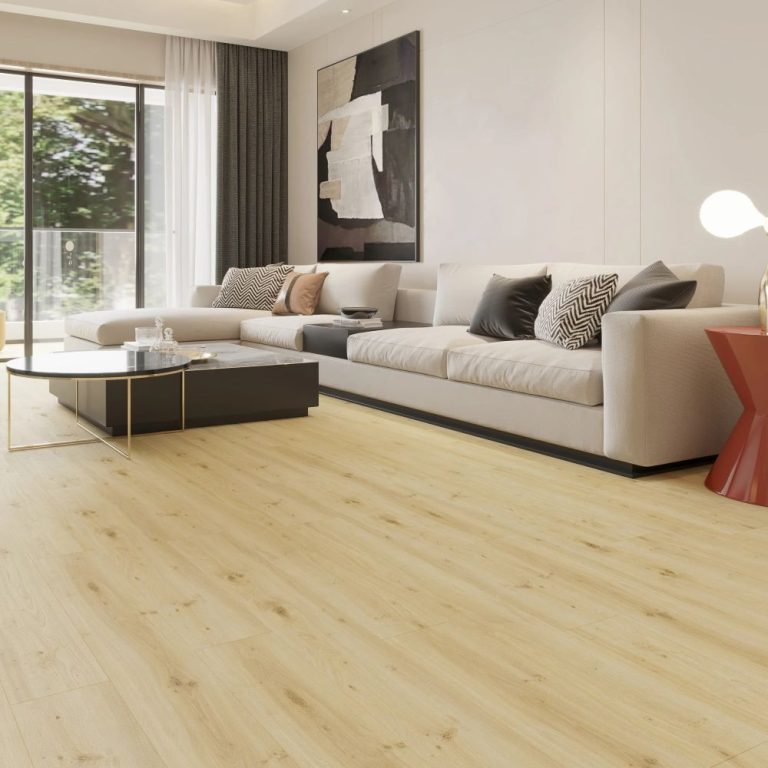
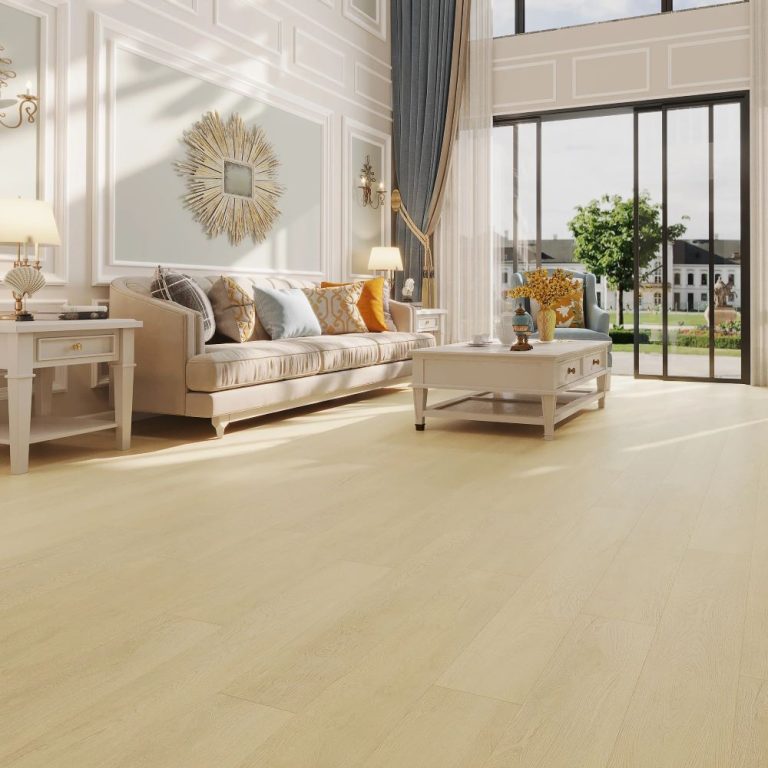
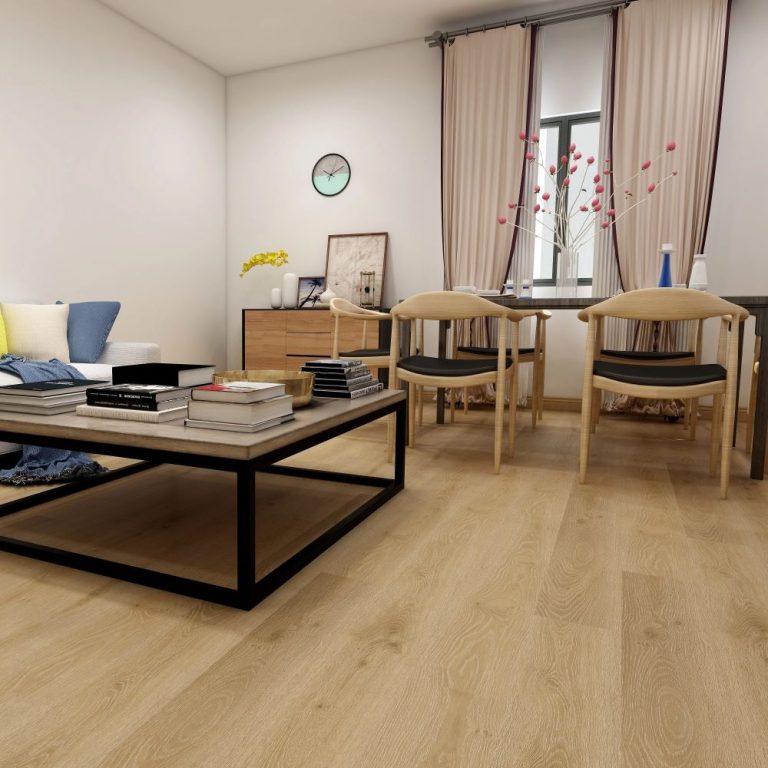
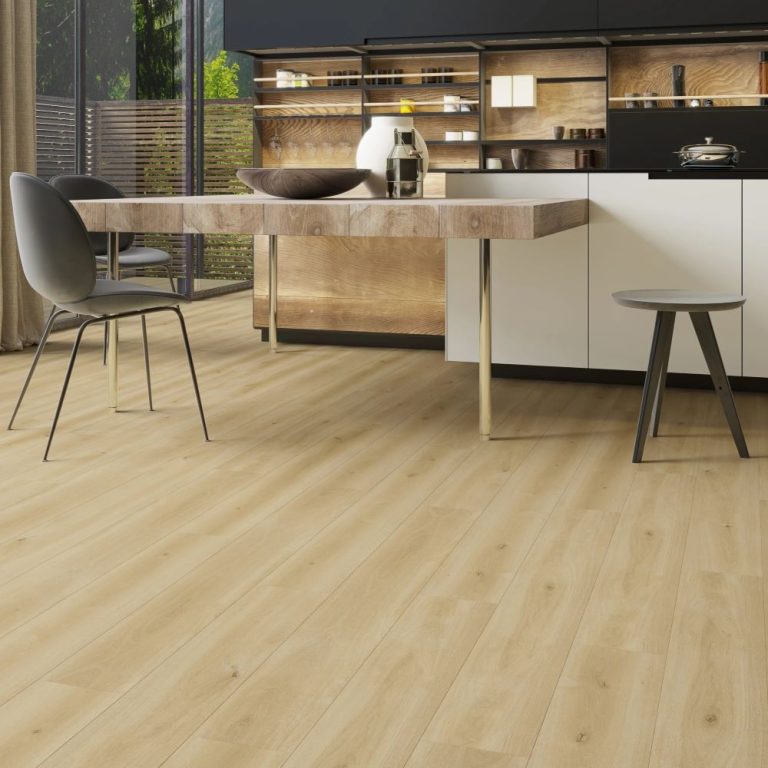
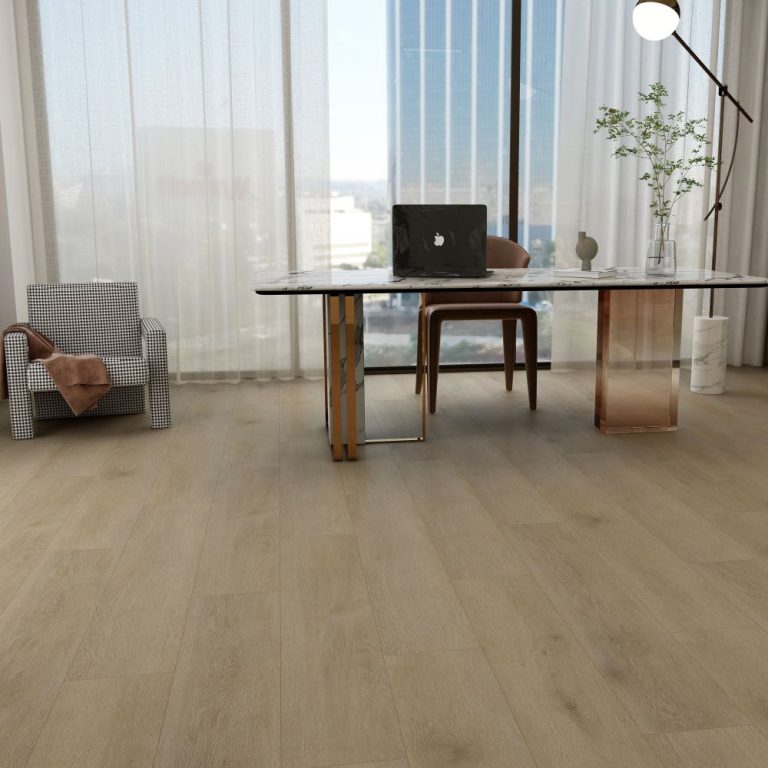
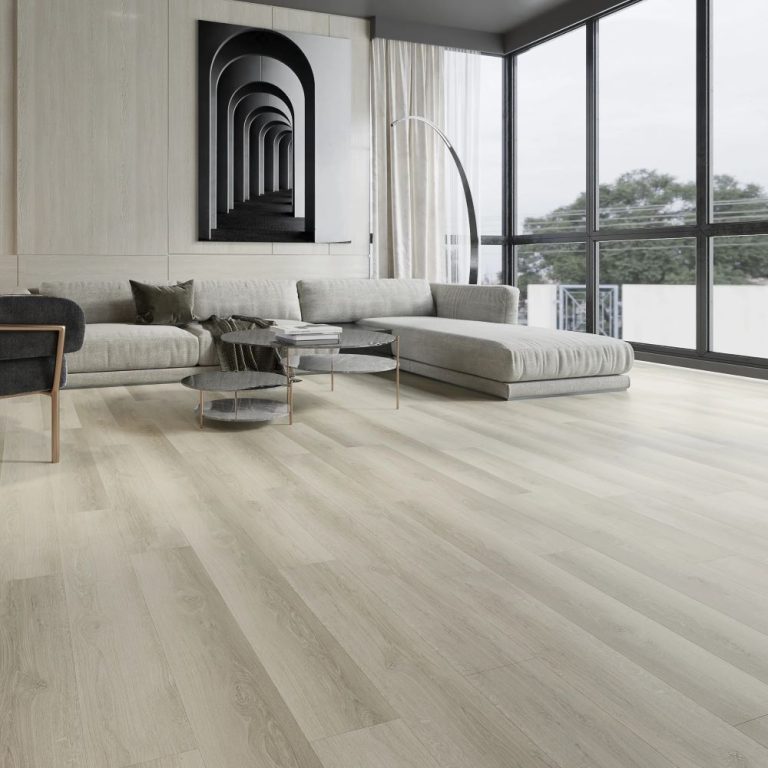
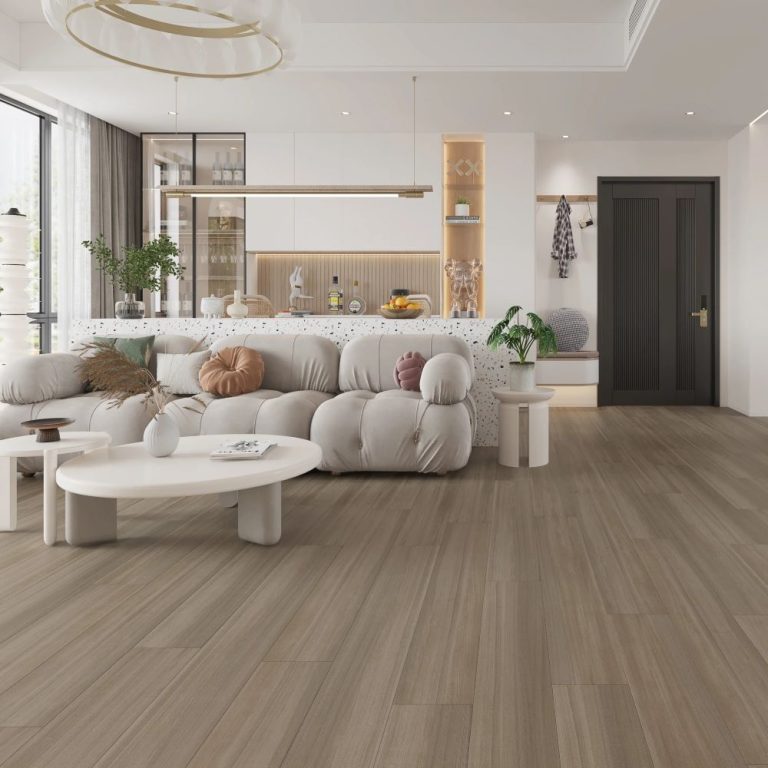
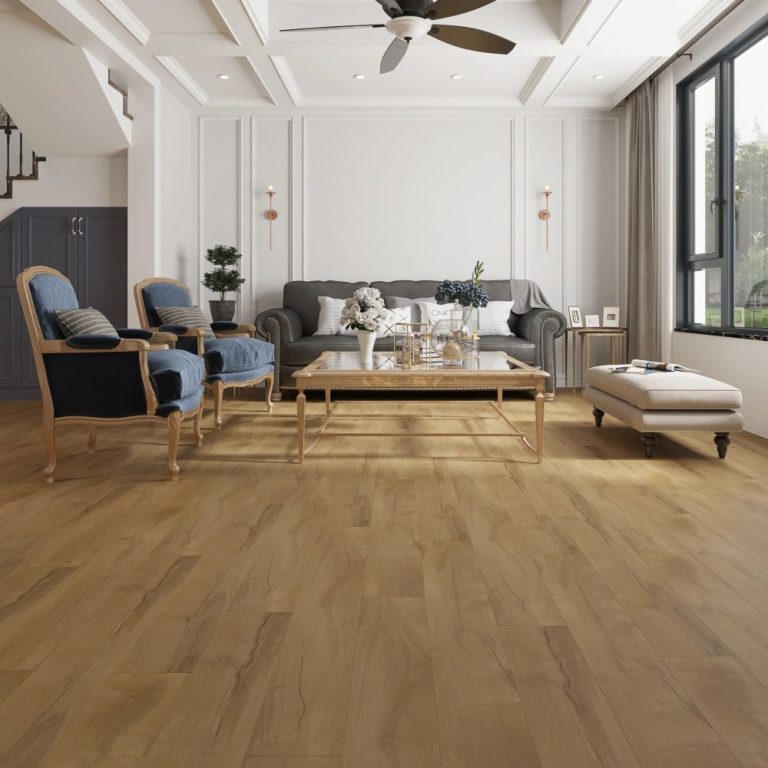
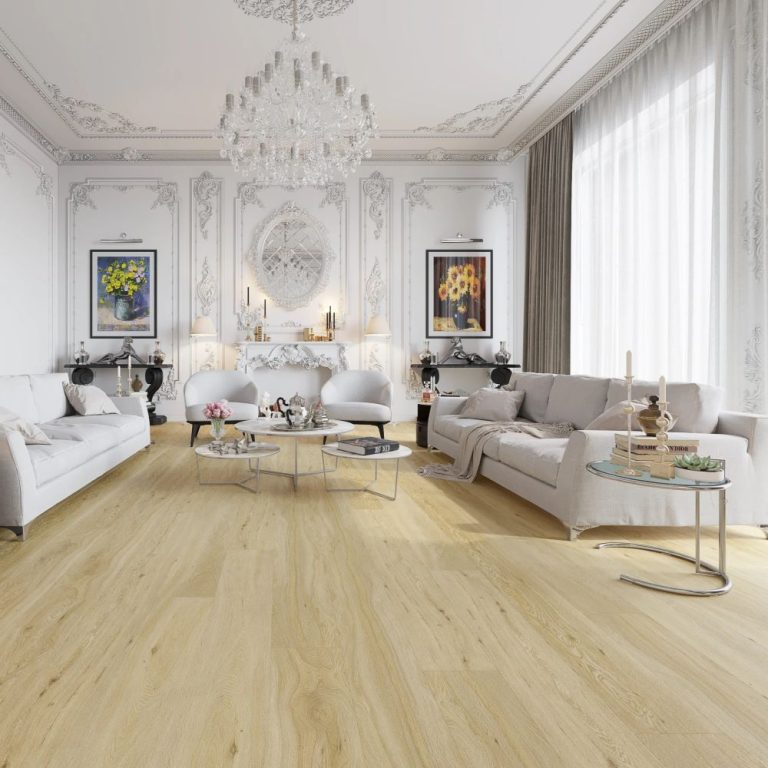
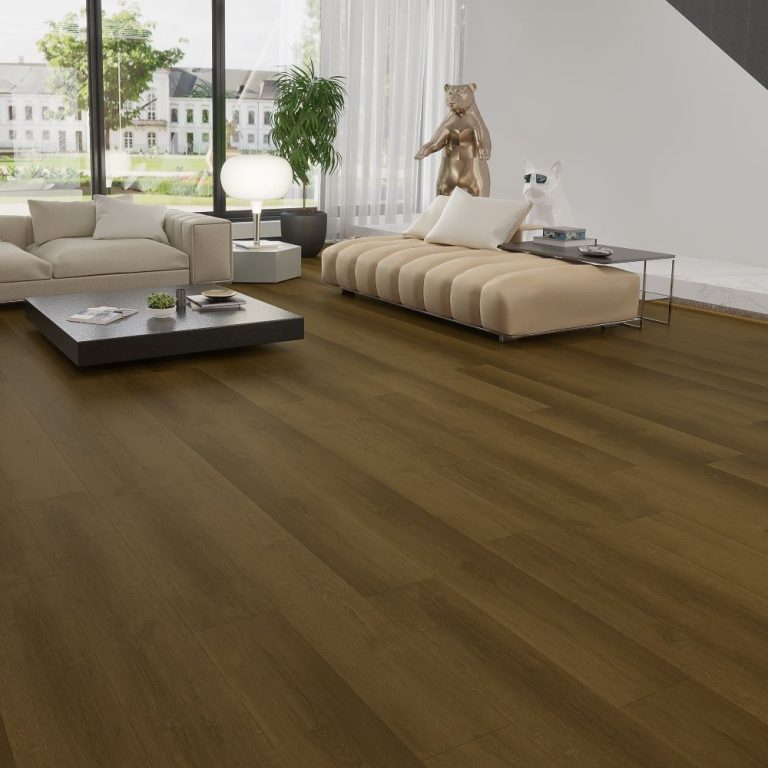
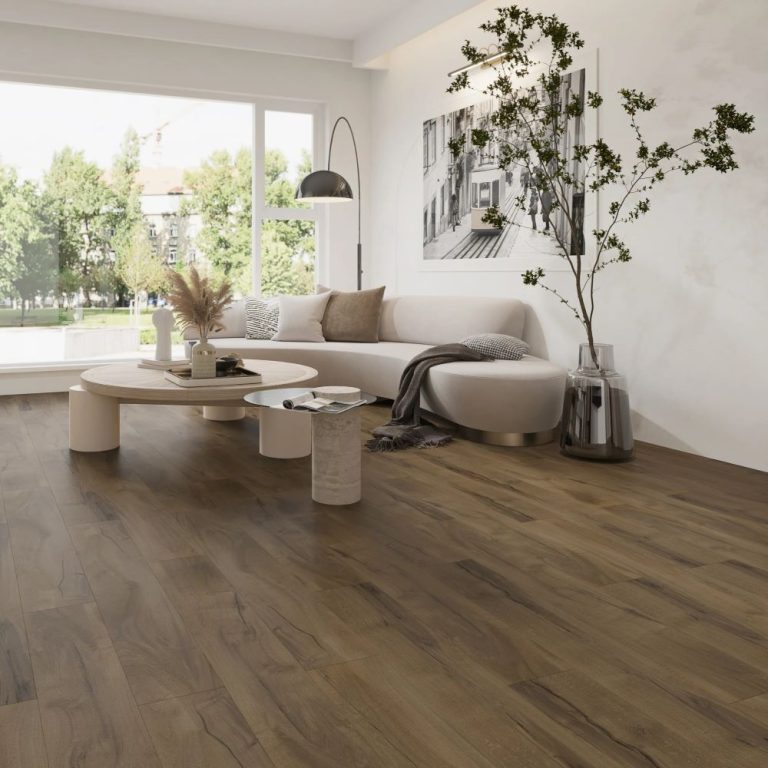
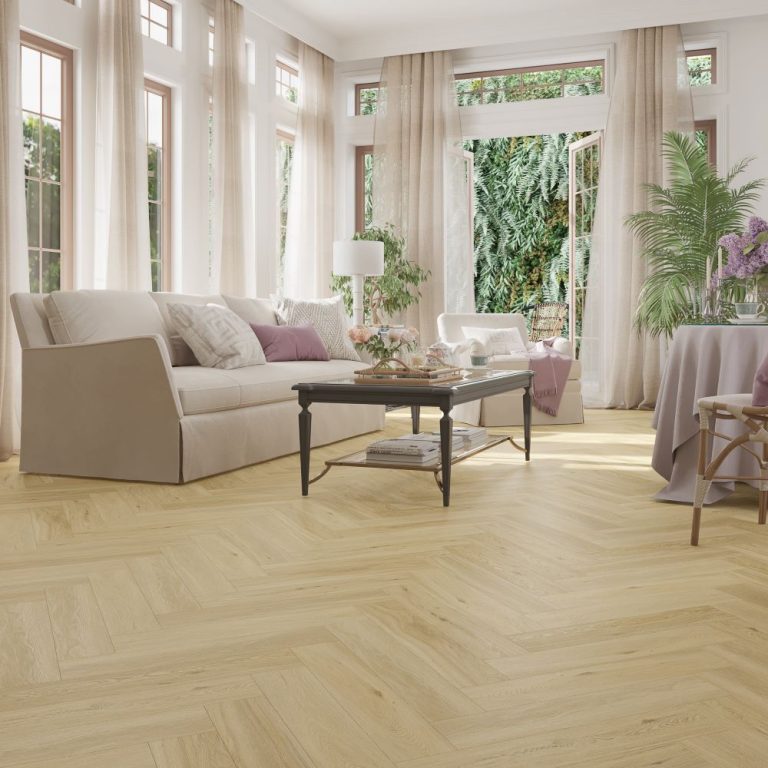
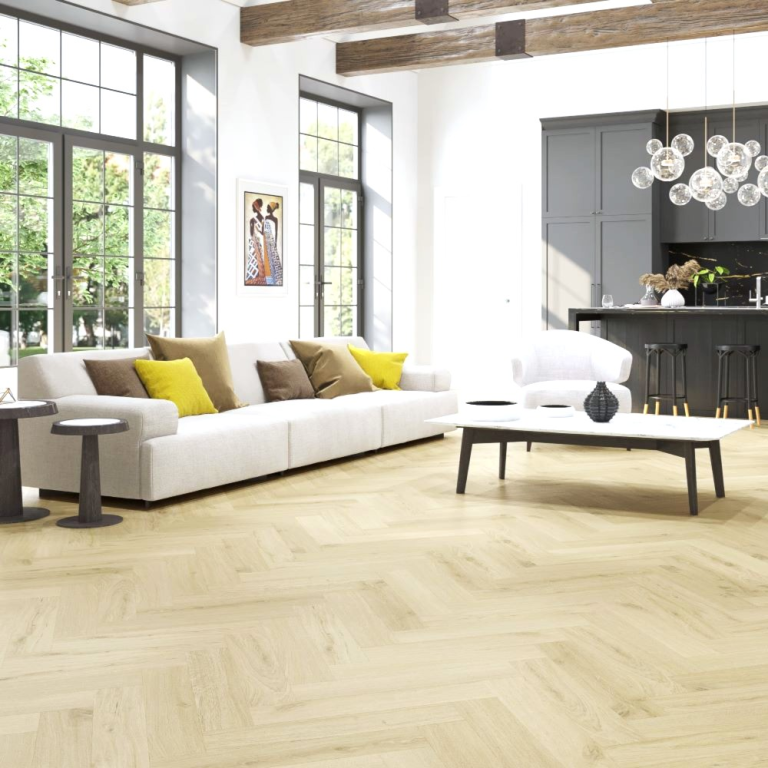
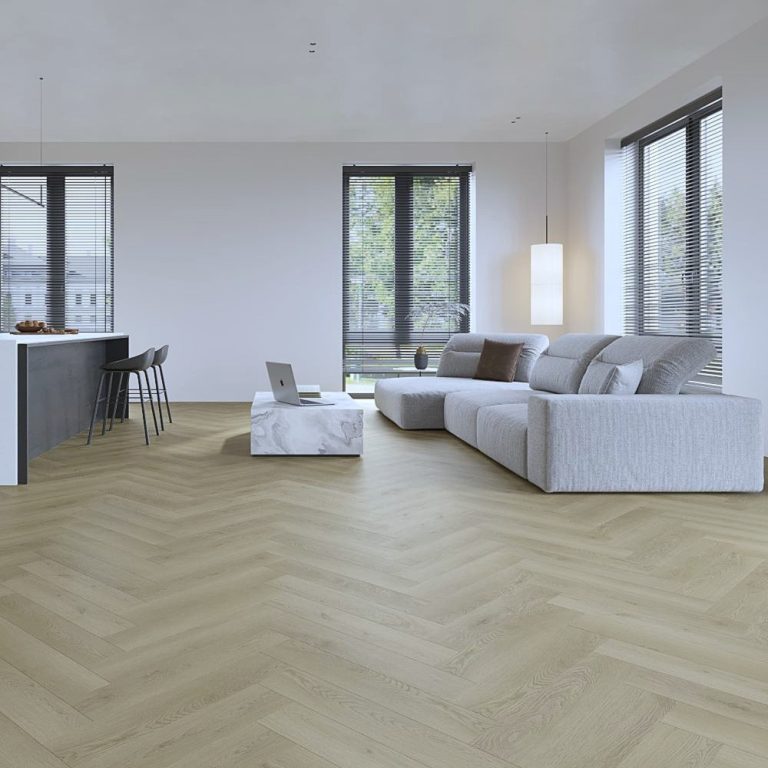
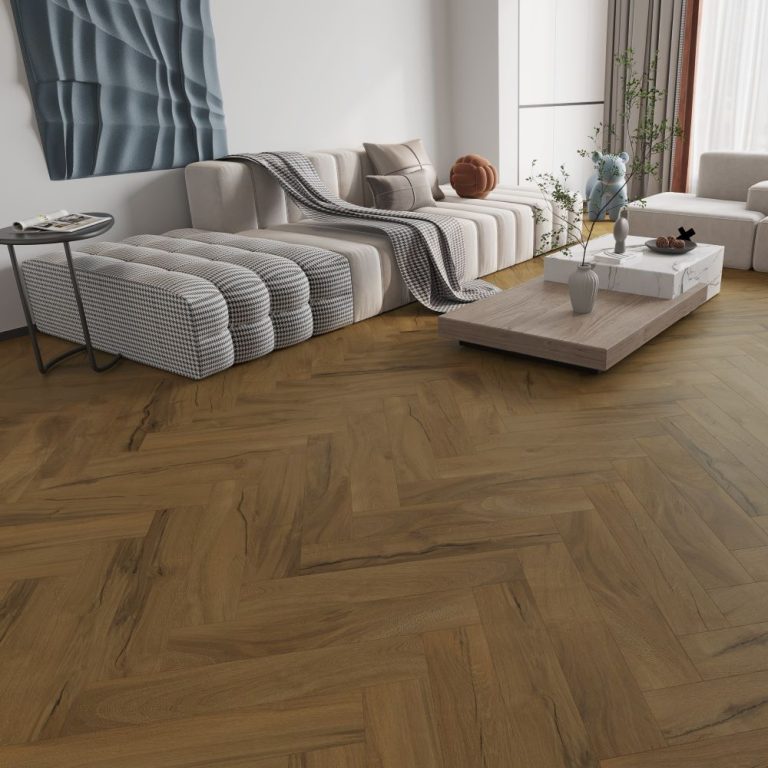
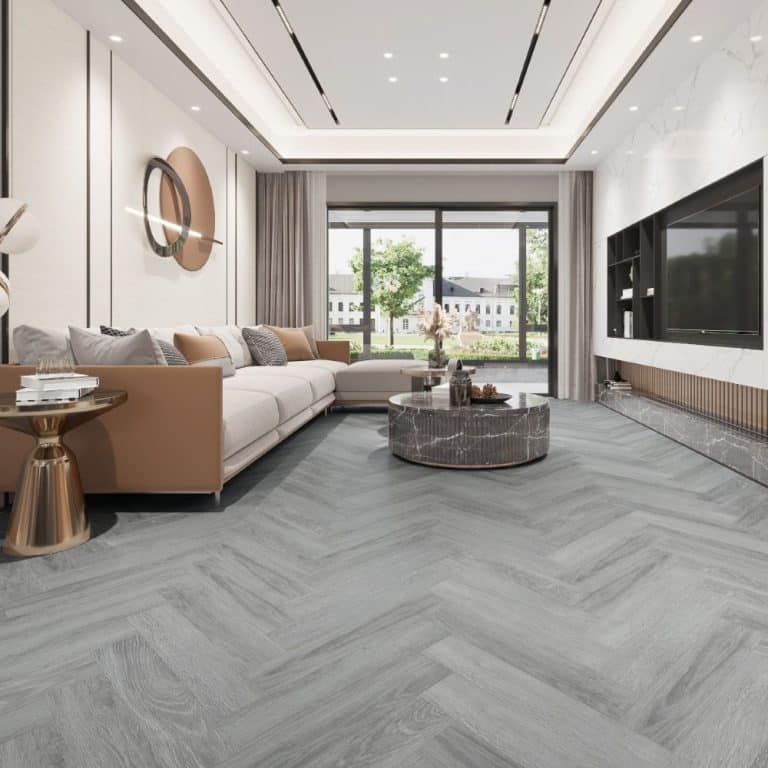
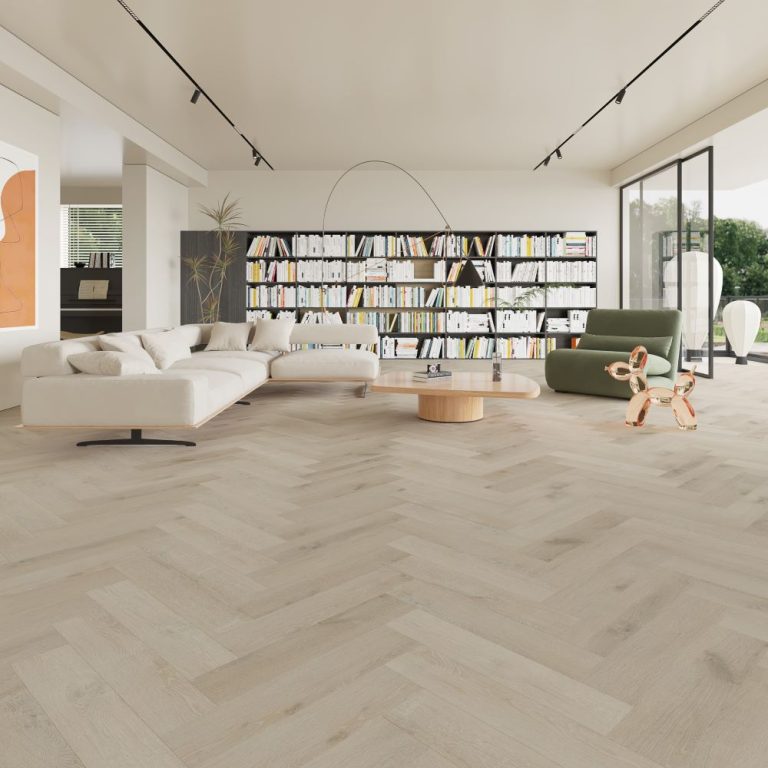
The second is look. The planks and blocks are oak designs, organised in the subcategories by tone: beige and light browns, mid browns, dark browns, greys, white, black, with the herringbone pattern as its own group. The tiles are slate, concrete and cement designs for rooms that want a stone floor without stone. Because the designs are printed, a box repeats its boards and a floor of one tone reads more even than an oak floor of the same tone. A sample laid next to a real oak or a real tile in the room tells you in a minute whether that evenness is the point or the drawback.
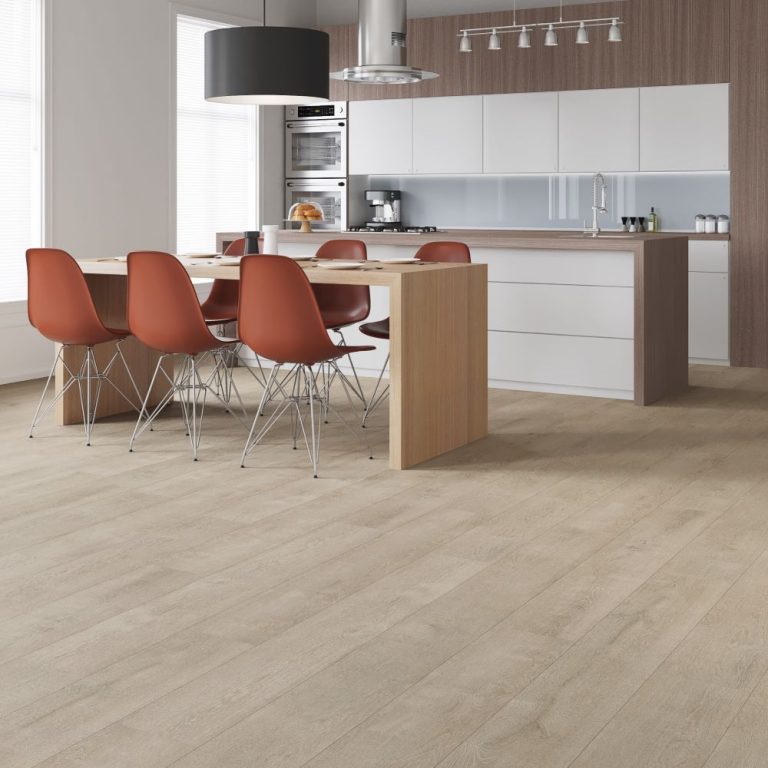
The third is the room. A kitchen-diner takes the wide plank; a bathroom takes the tile or the herringbone; a hallway takes any of the 0.55 mm floors; a bedroom is where the 5.2 mm plank saves money without costing anything that matters. Over underfloor heating, the surface temperature limit and the thermal resistance ceiling the heating standard sets are quoted below, and a thin floor with its underlay attached sits comfortably under both.
The laying rules are the rules for any floating floor: a clean, flat, dry subfloor; the boxes acclimatised in the room; an expansion gap at the edges. The industry figures for the acclimatisation conditions and the gap are quoted below, together with the guidance on low-moisture cleaning, which is about the joints rather than the surface. What a rigid vinyl floor will not do is hide a bad subfloor: it is stiff enough to bridge small imperfections, and a large one shows.
 Shop by category