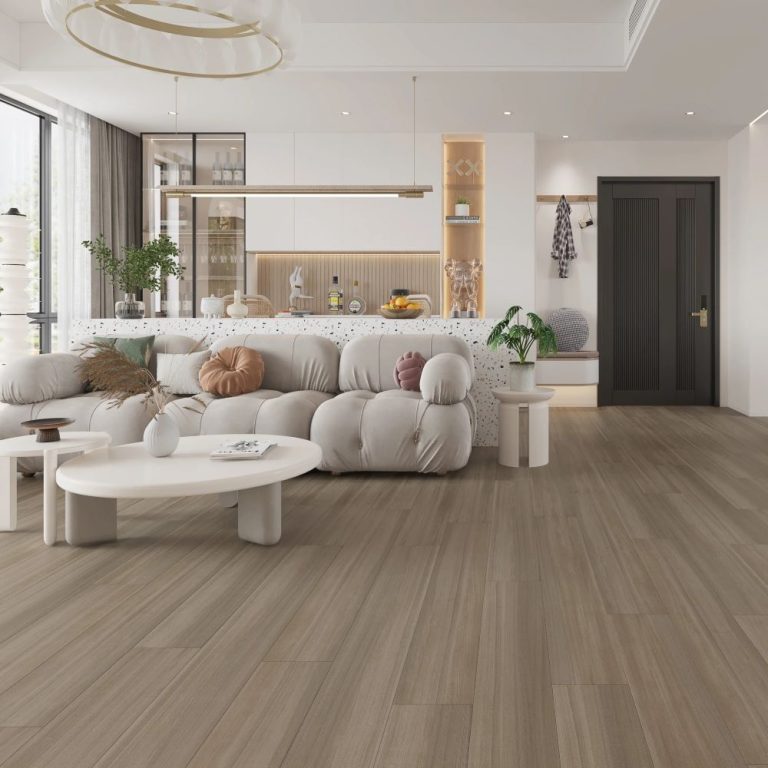
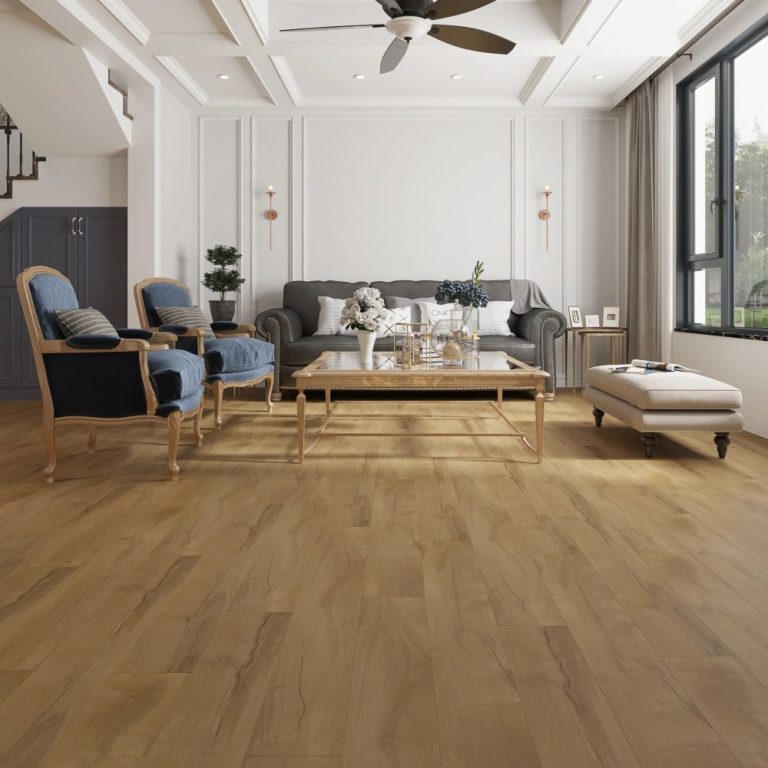
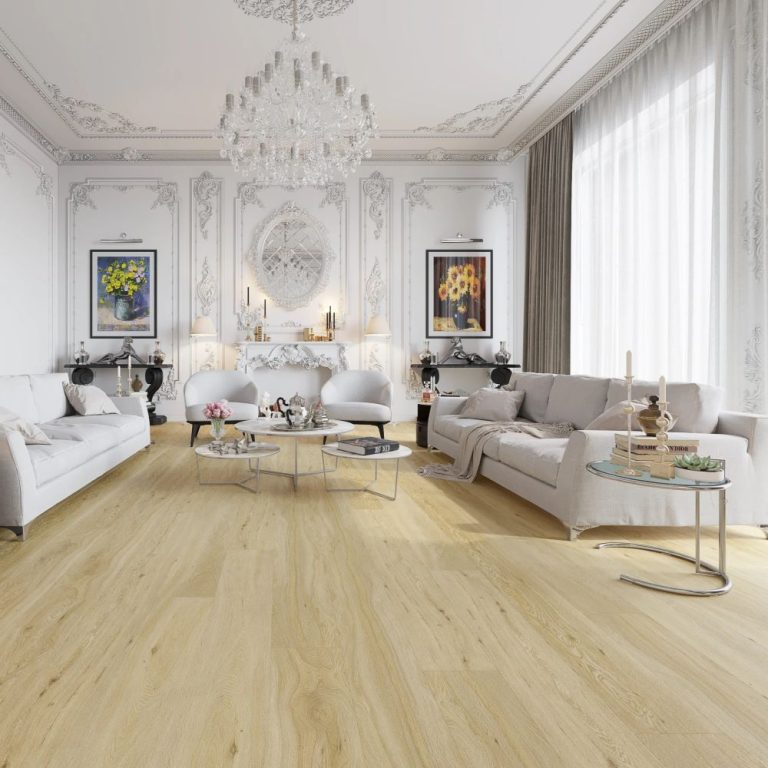
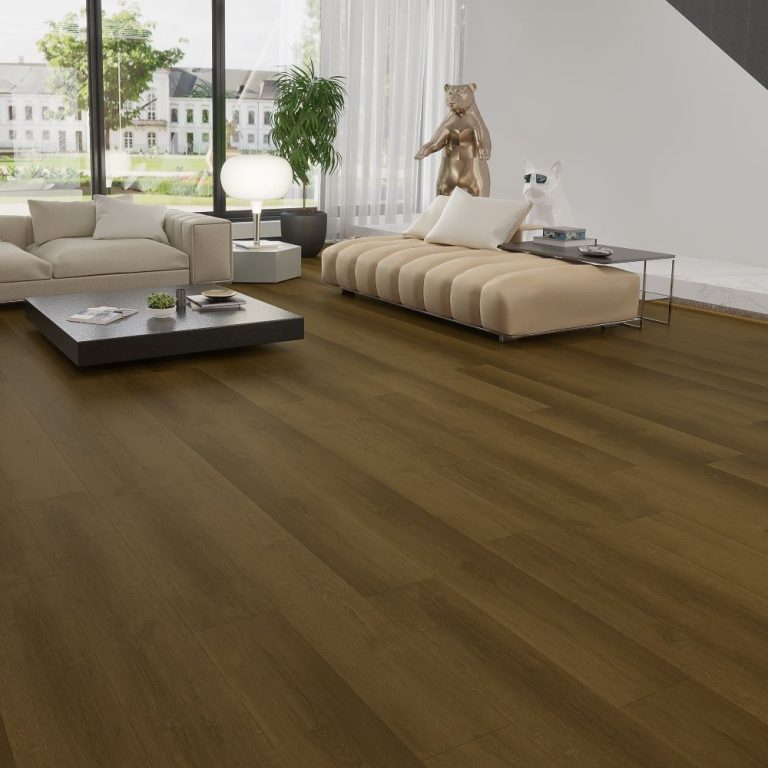
Samples available UK-wide delivery
Shop by category
Pro Portal
4.6 Trustpilot 2400+ orders delivered UK-wide delivery
Your Basket

0

Your basket is empty
Browse our editorial collections and find your perfect floor.

Browse Collections
Subtotal £0.00
Shipping & discounts calculated at checkout
SSL encrypted — safe and secure
Collection

Luxury Rigid Vinyl

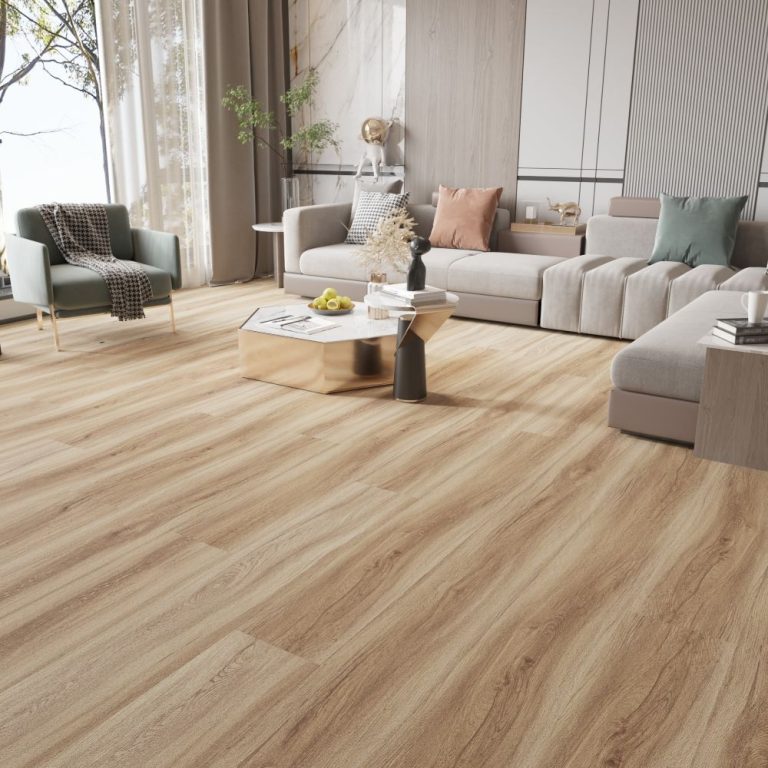
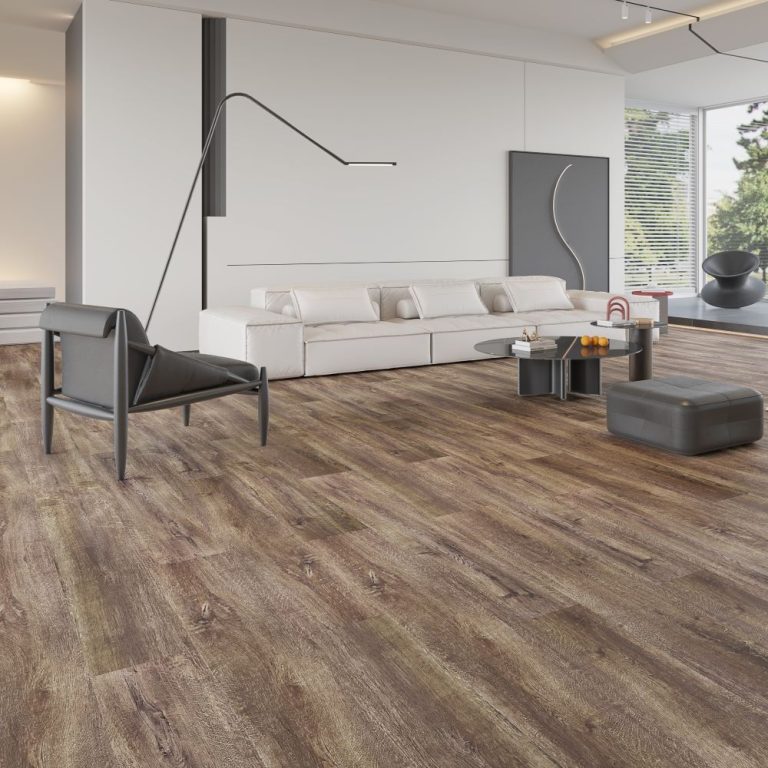
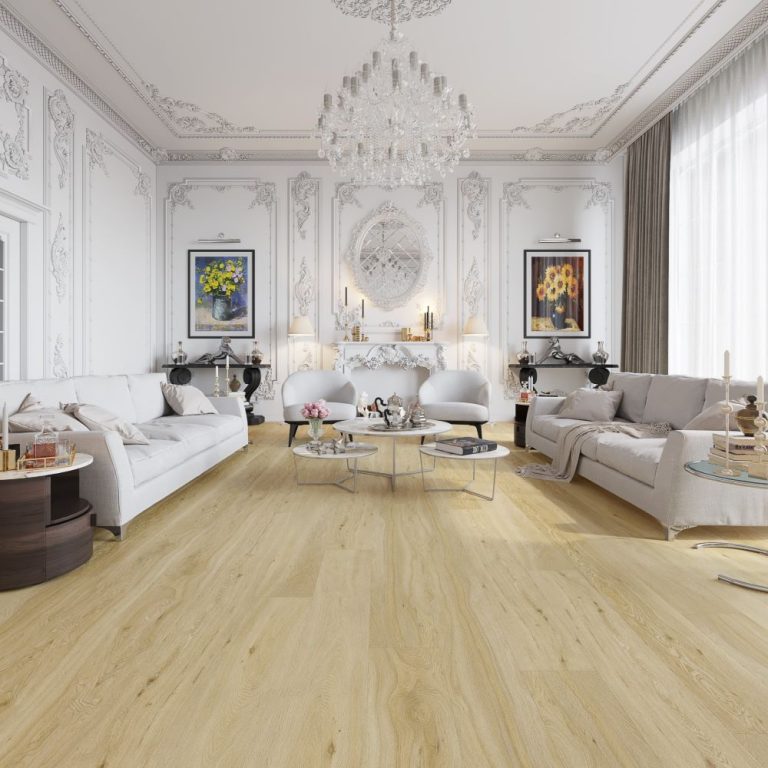
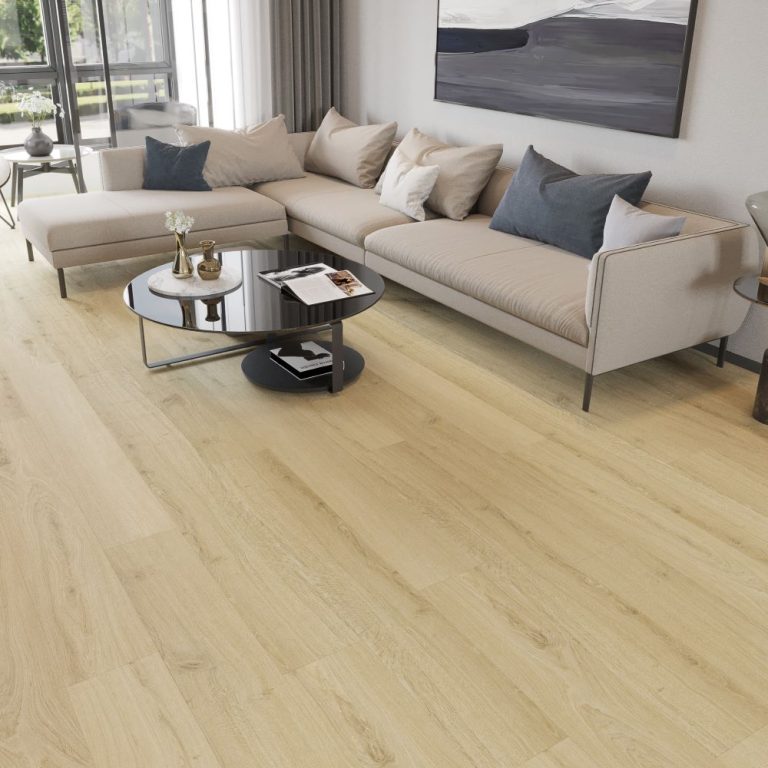
Luxury Rigid Vinyl combines premium design with outstanding durability. Its waterproof construction, realistic textures and quiet underfoot feel make it ideal for modern family homes.

36 products

Luxury Rigid Vinyl · The look

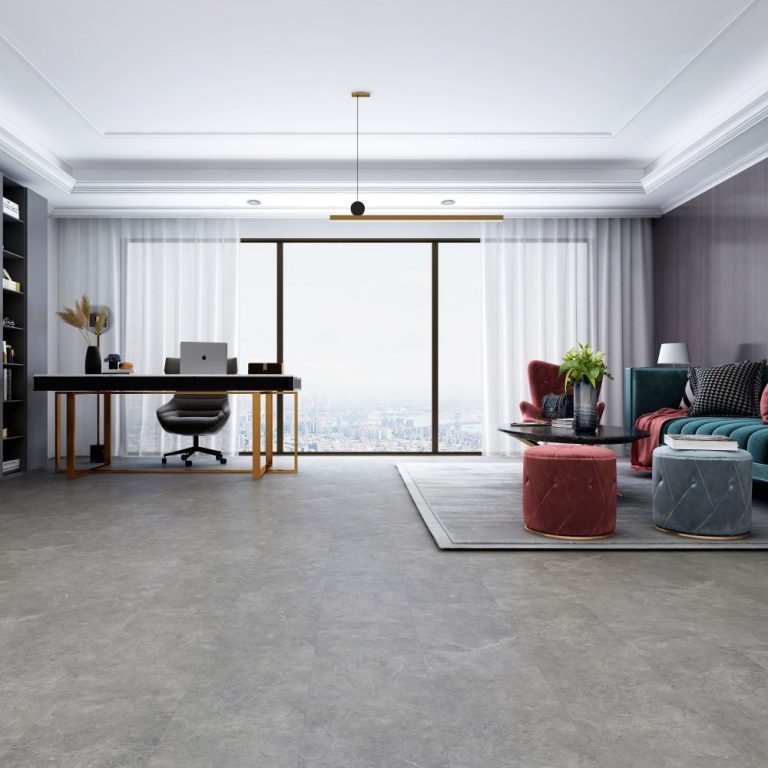
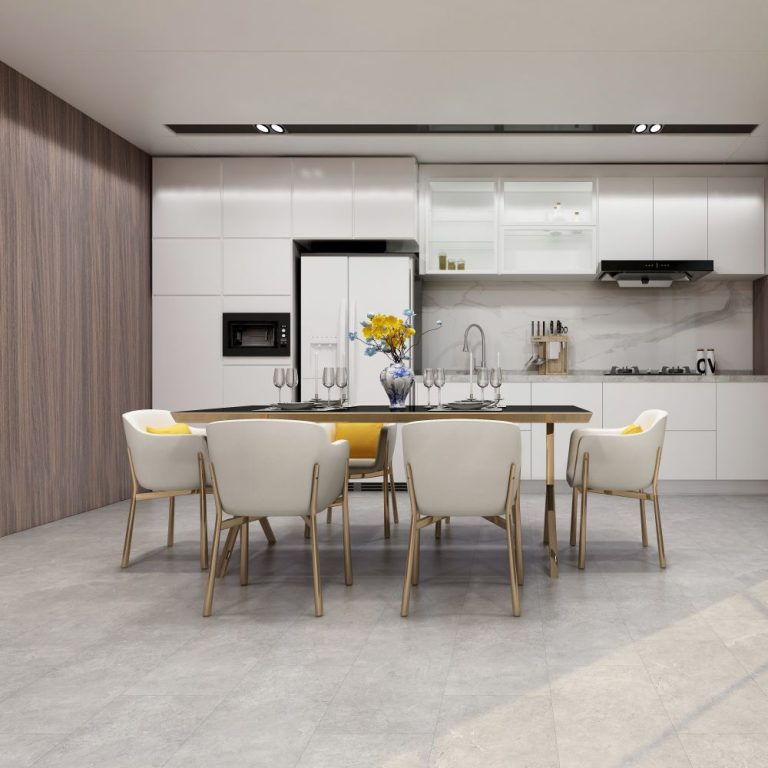
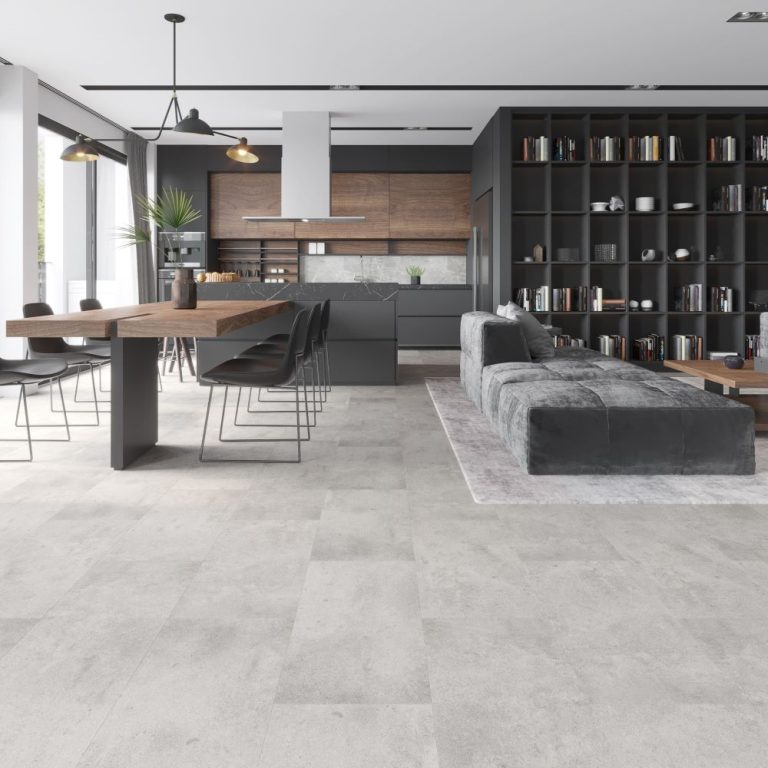
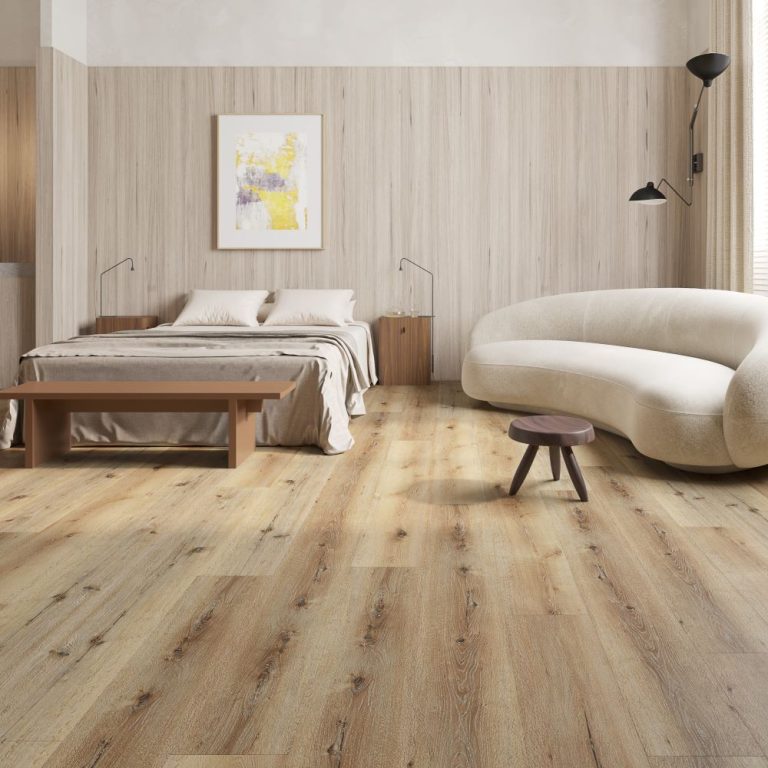
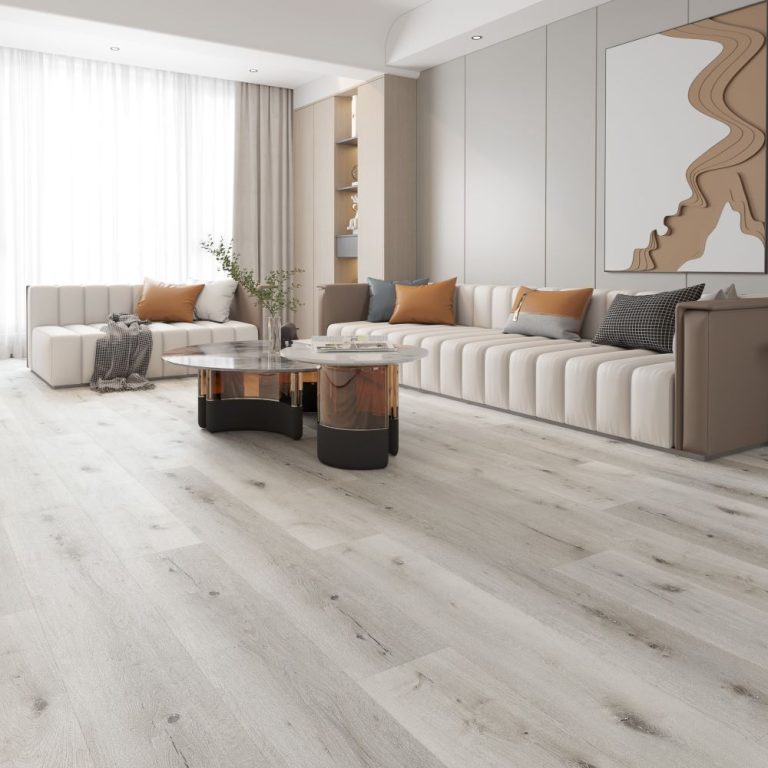
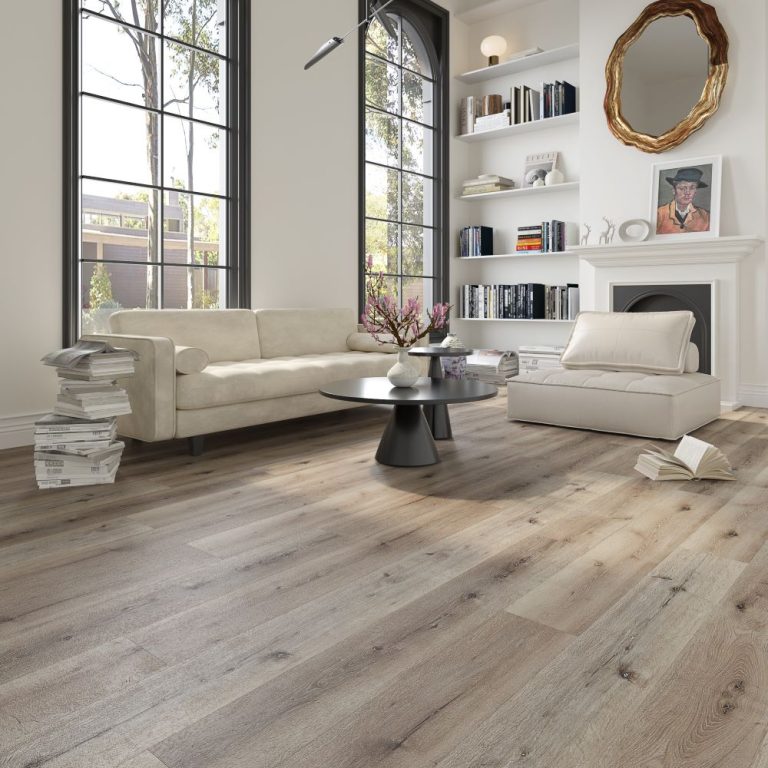
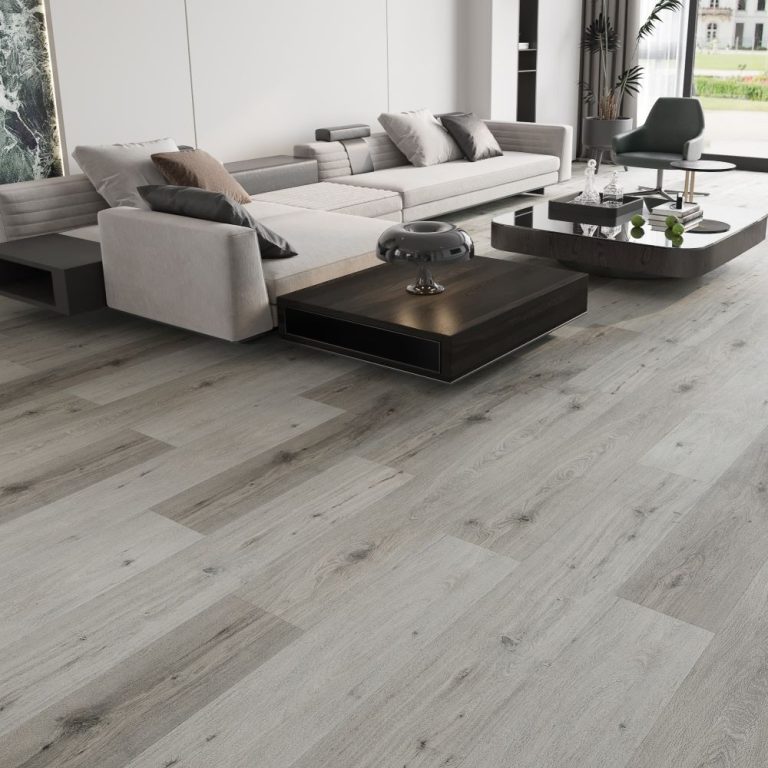
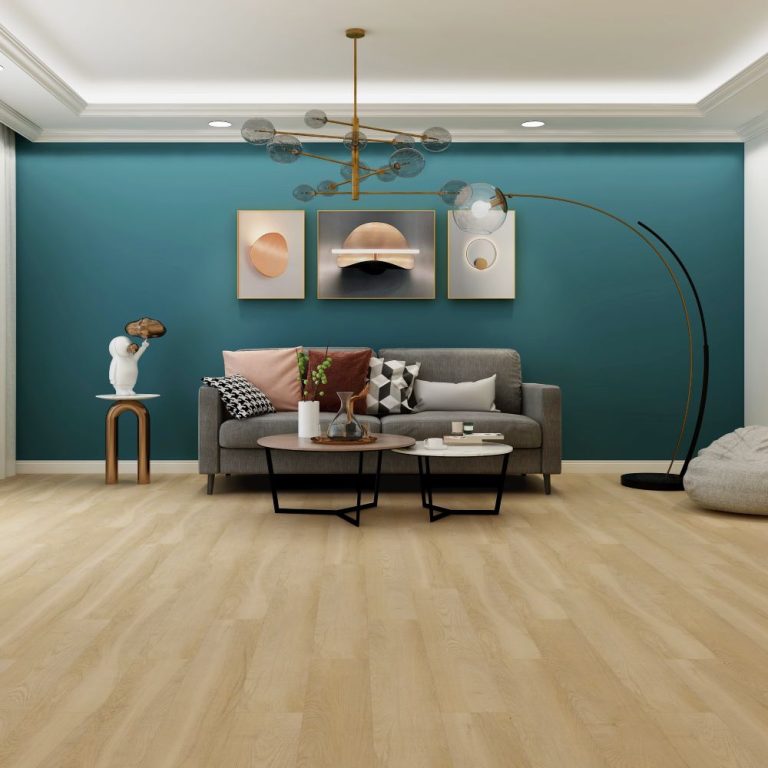
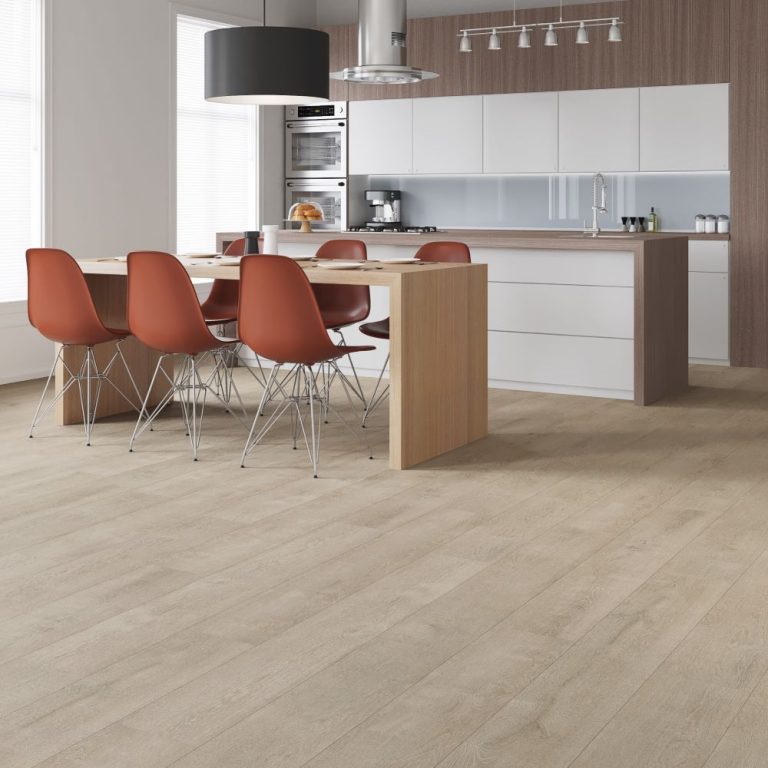
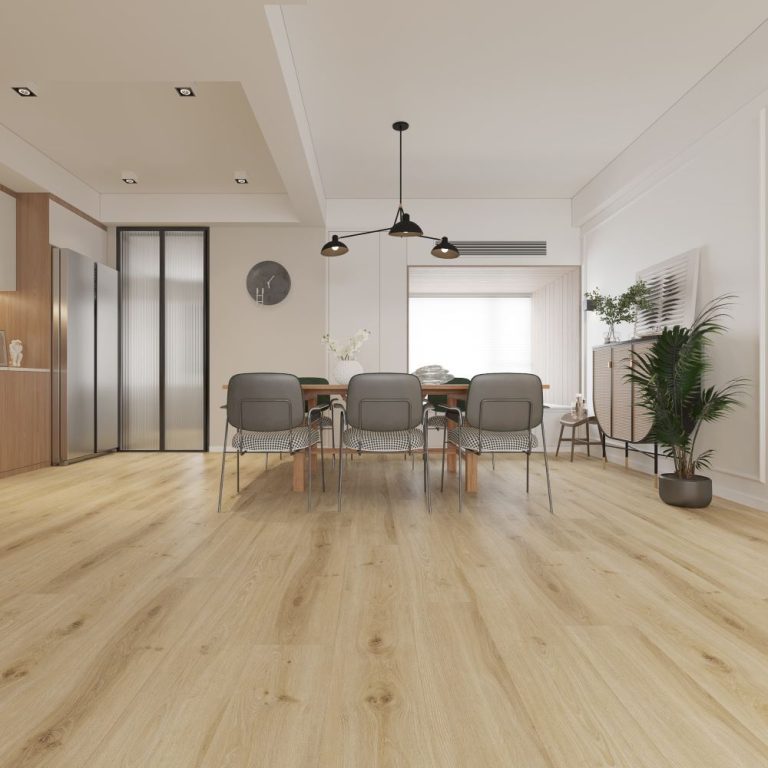
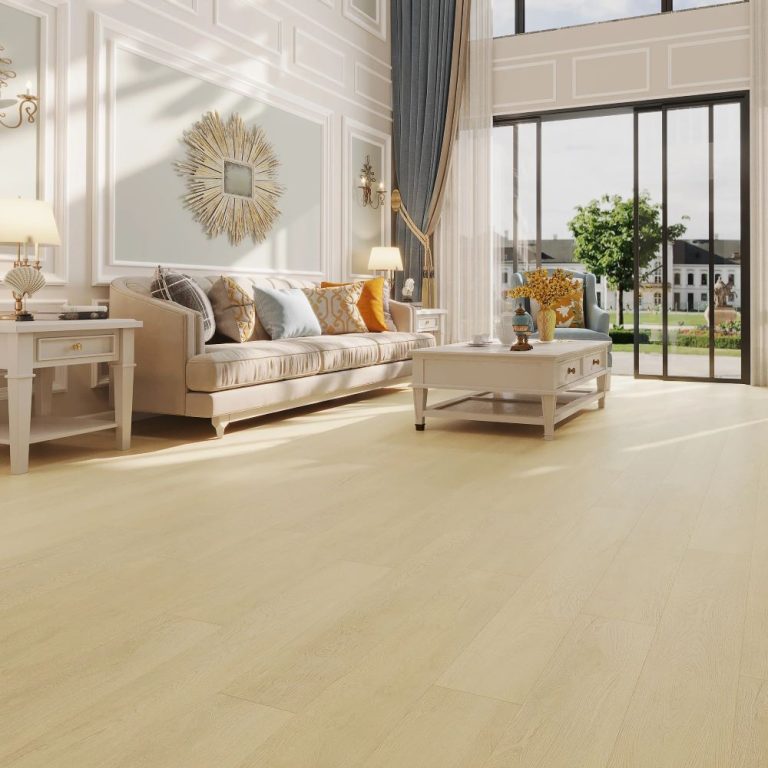
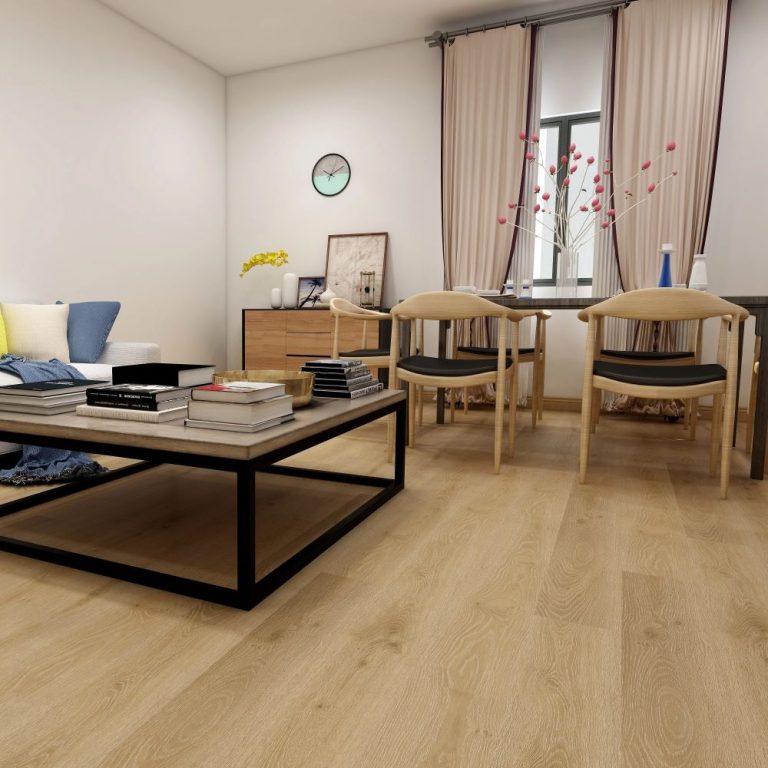
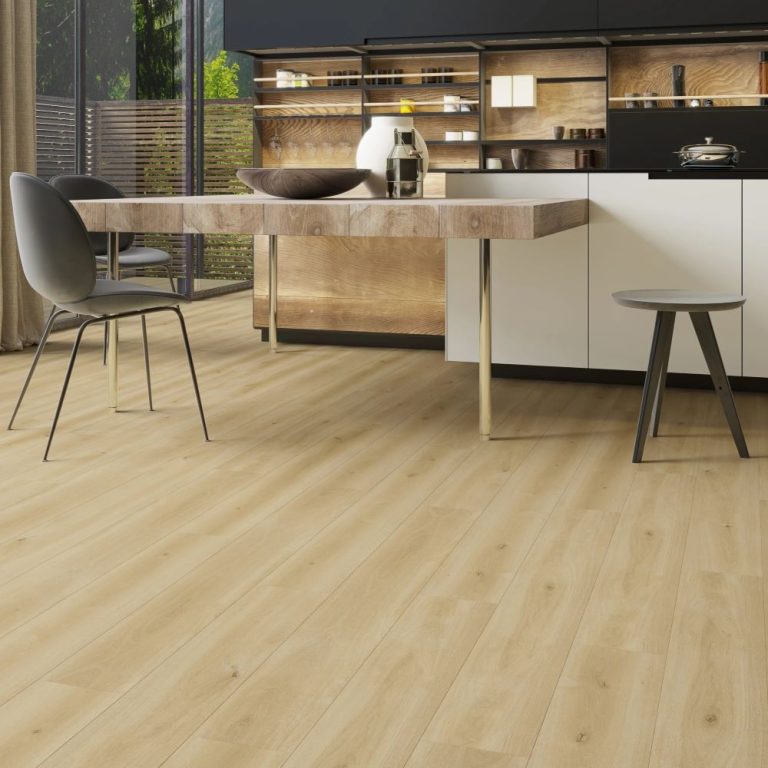
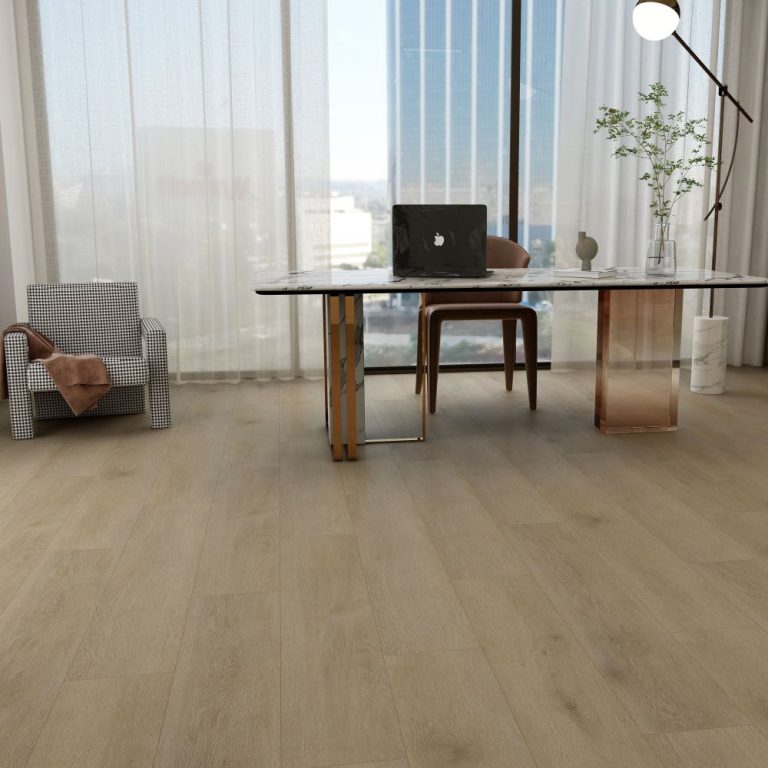
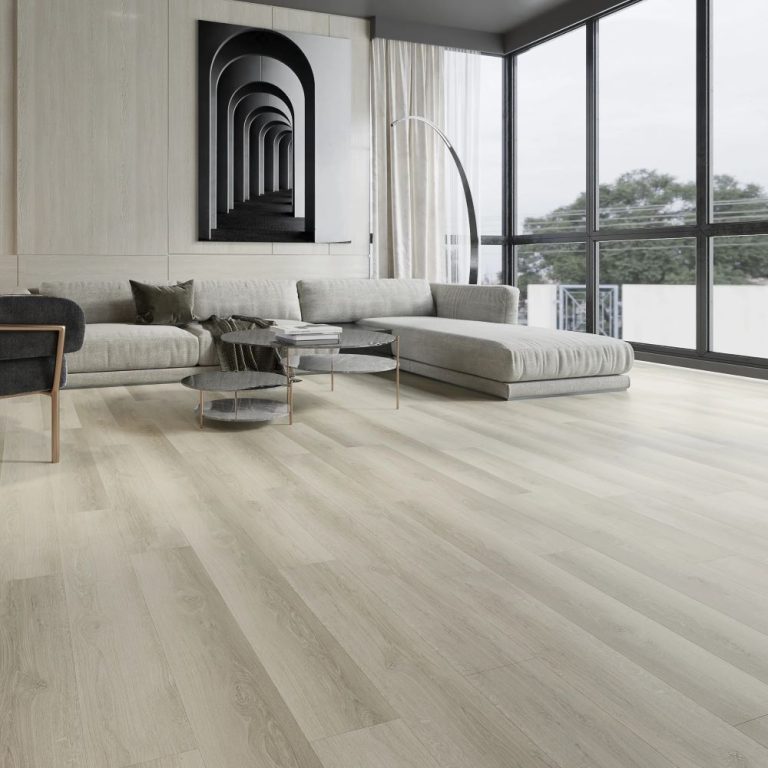
Luxury Rigid Vinyl is SPC click flooring with a solid polymer core, in plank, wide plank, herringbone and tile. All 36 BML floors are listed as waterproof, arrive with the underlay attached and are listed as compatible with underfloor heating.

What SPC means
Solid polymer core: a dense mineral-filled compound rather than wood fibre or flexible vinyl. It does not take on water, it does not swell, and it is rigid enough to click together and float over a subfloor with small imperfections. The definition from the industry association is quoted below.
Four formats
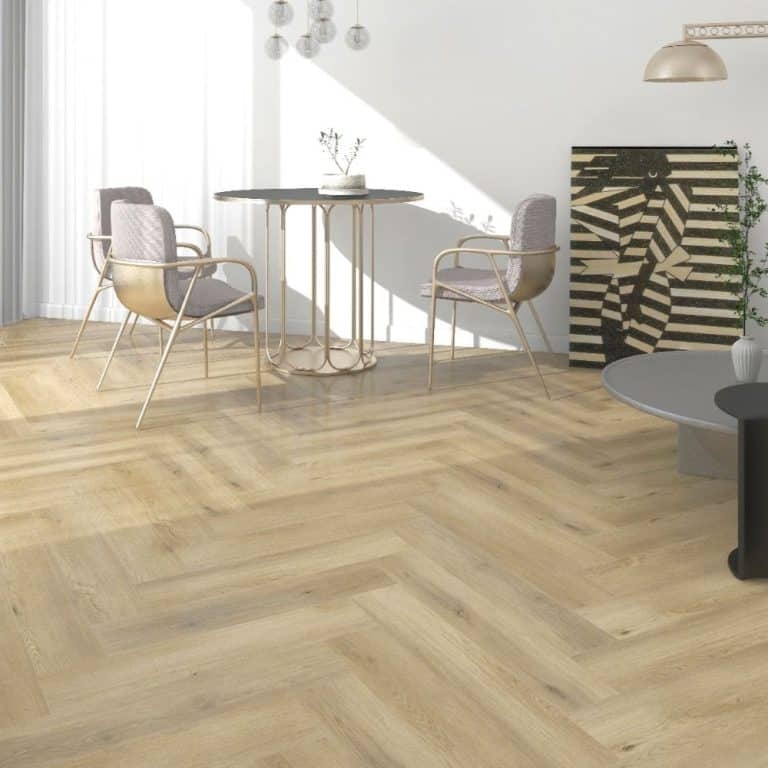
The 5.2 mm plank at 181 mm by 1220 mm with a 0.3 mm wear layer is the everyday floor. The 6.5 mm floors carry a 0.55 mm wear layer in three shapes: a 228 mm by 1524 mm wide plank, a 126 mm by 630 mm herringbone block and a 305 mm by 610 mm tile.
Wear layer, not thickness
The clear layer over the design is what wears; the board thickness underneath is about stiffness and sound. 0.3 mm suits bedrooms and living rooms; 0.55 mm is the figure to specify for hallways, kitchens and anywhere with grit underfoot.
Is rigid vinyl really waterproof?
The core is. Every floor here is listed as waterproof: a solid polymer core takes on no water and does not swell, which is why the range is sold for kitchens, bathrooms and utility rooms. The joints are tight but not sealed, so a flood that sits for days can still reach the subfloor; the floor itself will not be harmed by it.
Do I need underlay?
No. Every BML floor in this range has the underlay backing attached, so the floor goes straight onto a clean, flat, dry subfloor. The floor is specified to go onto the subfloor with its own backing; a second underlay is not part of that specification, and two soft layers under a click joint let it flex.
What is the difference between the 5.2 mm and 6.5 mm floors?
The difference between the two is the wear layer and the format. The 5.2 mm plank has a 0.3 mm wear layer; all the 6.5 mm floors, wide plank, herringbone and tile, carry 0.55 mm. The thicker board is also stiffer, which bridges small subfloor imperfections better. For a busy room, specify by wear layer first.
LVT or laminate, what is the difference?
LVT shrugs off water where laminate swells at the joints, and it is quieter and slightly softer underfoot; laminate is harder-wearing against scratches and cheaper. For wet rooms choose LVT every time.
Do you deliver UK-wide and can I get a sample first?
Yes, UK-wide delivery options, and samples from £1.99 so you can check the design at home first.

Still unsure? Real people, honest advice.

In depth

Choosing rigid vinyl

Rigid vinyl is the floor for the rooms where wood cannot go and laminate should not. Every floor in this range is a BML SPC click floor: a printed oak or stone design under a clear wear layer, on a solid polymer core, with the underlay already attached. All 36 are listed as waterproof, commercial grade, compatible with underfloor heating, and carry a 25 year manufacturer's warranty. The core is the whole argument. It takes on no water, it does not swell, and it is stiff enough to float over a subfloor that would show through a flexible vinyl.

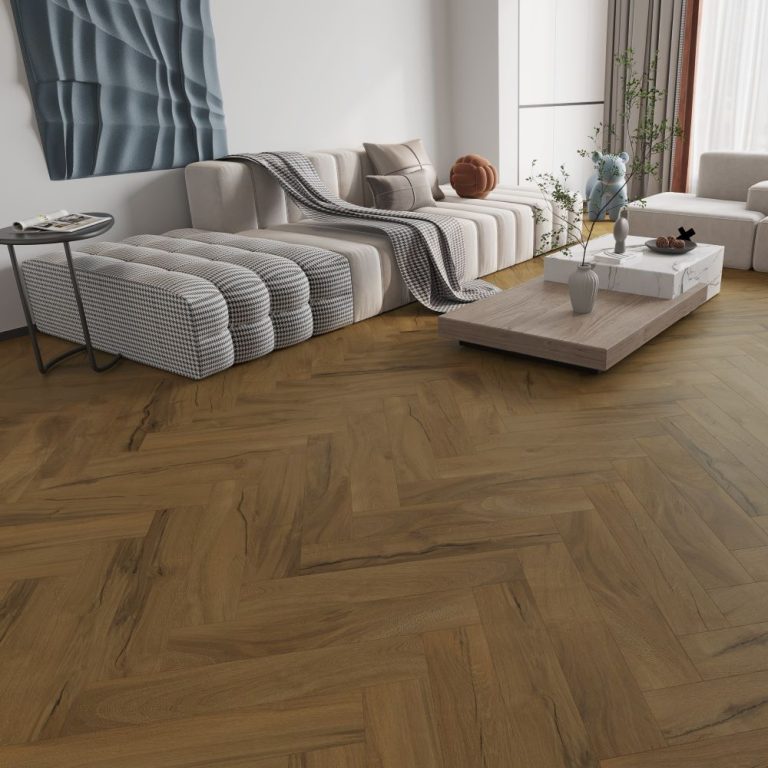
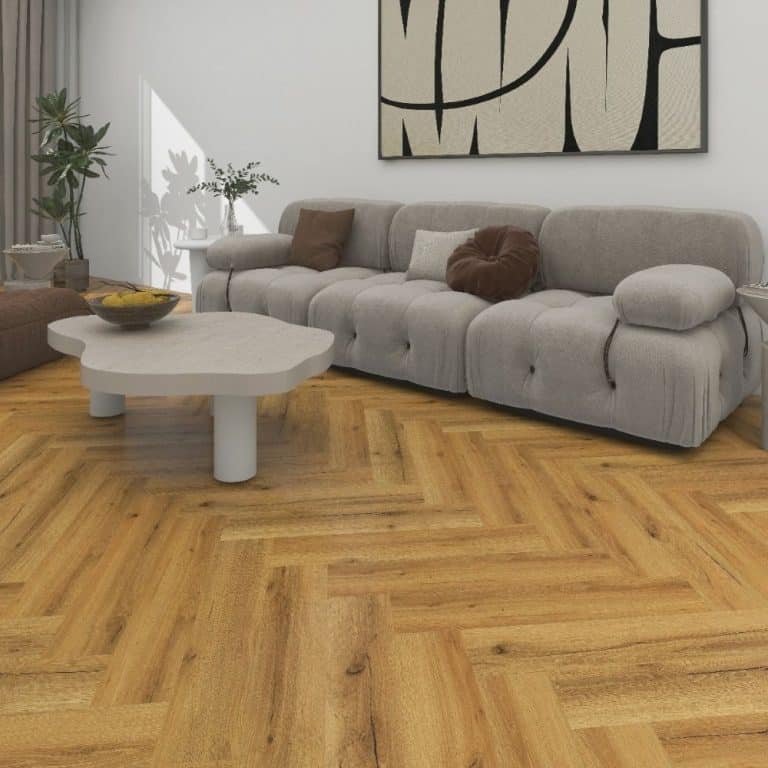
The range is four formats under one heading, and the format is the first decision. The 5.2 mm plank, 181 mm by 1220 mm, is the everyday floor in twelve tones, with a 0.3 mm wear layer. The 6.5 mm floors carry a 0.55 mm wear layer: a 228 mm by 1524 mm wide plank in twelve tones, a 126 mm by 630 mm herringbone block in eight, and a 305 mm by 610 mm tile in four slate and concrete designs. The wear layer is the number to specify. It is the clear film over the design, and it is what a chair leg, a dog's claws and hallway grit act on.

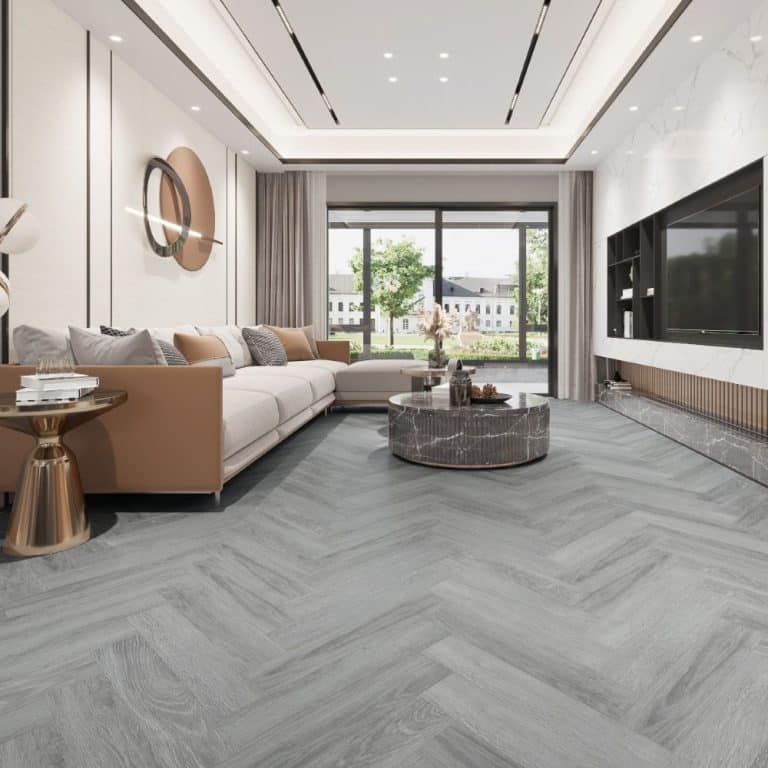
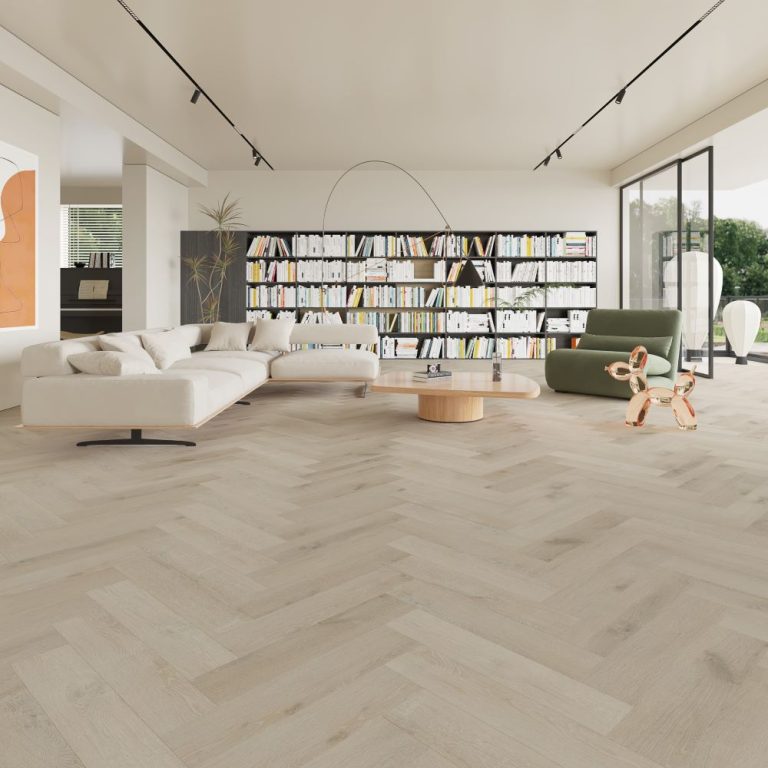
Colour is organised by tone in the subcategories: beige and light browns, mid browns, dark browns, greys, white, black, and the herringbone pattern as a group of its own. The printed designs repeat across a box, so a floor of one tone reads more evenly than an oak floor of the same tone; that is either the point or the drawback, depending on the room, and a sample laid next to a real oak sample settles it quickly.

The laying rules are the ones for floating floors: a clean, flat, dry subfloor, an expansion gap at the edges, and the boxes acclimatised in the room before opening. The industry figures for the gap and the acclimatisation period are quoted below. Over underfloor heating, keep the surface temperature within the limit the heating standard sets.