




Engineered Wood Wear Layer: 3 mm, 4 mm or 6 mm
An engineered board is a layer of oak bonded to a core. The oak on top is the wear layer, and its thickness is the one number on a specification that decides how long the floor can go on being a floor. The range carries three: 3 mm on most 14 mm boards, 4 mm on the 15 mm Victorian Antique boards, and 6 mm on the two 20 mm boards. This guide is about what those numbers buy.
What the wear layer is
Everything you see and touch is the wear layer: the grain, the colour, the finish, the texture. Everything underneath is the core, the cross-laminated construction that keeps the board flat where a solid plank would move. The product standard for multi-layer parquet, quoted at the end of this guide, sets the moisture content the whole board must hold at delivery; it is the core that makes that stability possible, and the wear layer that makes it look like a solid floor.
When a floor is refinished, the surface is sanded back below the scratches and re-oiled or re-lacquered. Each sanding removes some of the wear layer. A thicker wear layer allows more sandings; when the wear layer is gone, the floor is finished. That is the whole case for a thicker one.
How many times can a floor be sanded?
This is the question everyone asks and the one no trade body answers with a number. A light sanding removes less than a heavy one; a floor that has been well looked after needs fewer and lighter sandings than one that has not. The one sourced figure comes from a manufacturer and is quoted below with that caveat: it puts an engineered floor at up to four sandings depending on the wear layer. A reasonable way to read the three thicknesses in the range is: 3 mm for one or two refinishes over the life of the floor, 4 mm for a couple more, 6 mm for a floor that will be refinished as often as a solid one.
The honest counterpoint is that many floors are not sanded at all. They are re-oiled where they have worn, or wiped clean until the day the room is redecorated and the floor replaced for reasons of taste, not wear. If that is the likely life of the floor, a 3 mm wear layer is not a compromise; it is the right specification at the right price.
The three thicknesses in the range
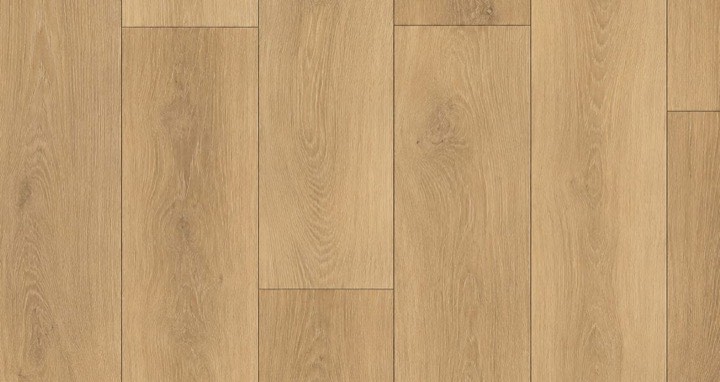
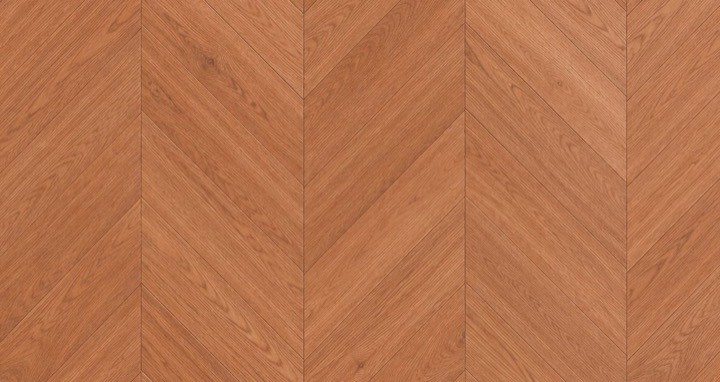
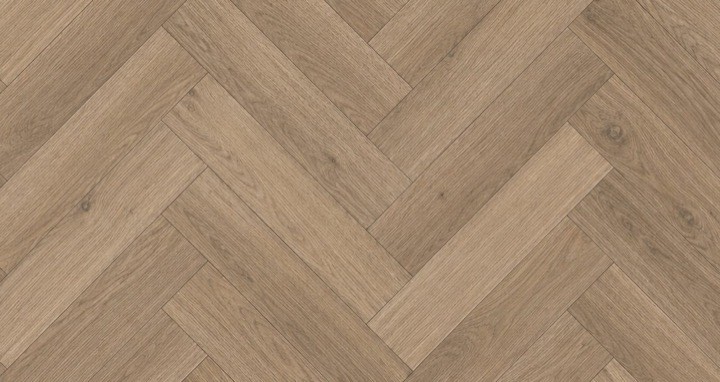
3 mm is the wear layer on the 14 mm Ascot, Cobham and Weybridge boards, on the Oxford herringbone blocks and the Knightsbridge chevron boards, and on the walnut boards. It is the standard for a domestic floor and the largest part of the range.
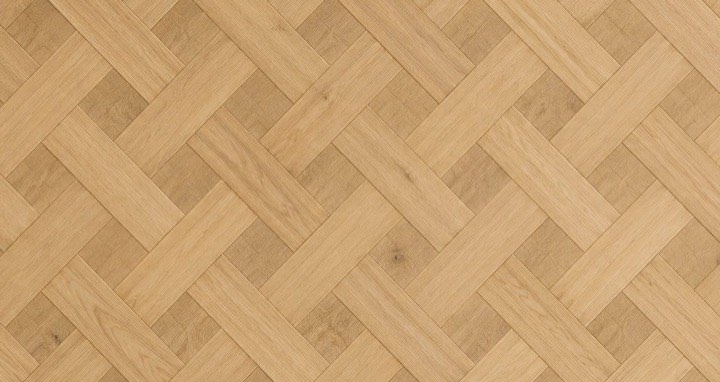
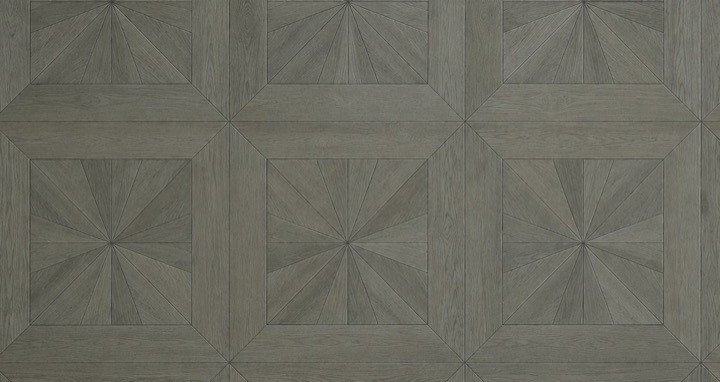
4 mm is the wear layer on the 15 mm Victorian Antique boards at 220 mm wide, and on the Versailles panels. The extra millimetre is there for the deep brushed antique surface, which can be re-oiled and sanded more than once without losing its texture.
6 mm is the wear layer on the two 20 mm Victorian Antique boards. It is the thickness at which an engineered board can be treated like a solid one for refinishing, and it comes with the range's longer 20 year manufacturer's warranty. The antique oak boards carry both of the thicker options.
Wear layer and underfloor heating
Every engineered board in the range is listed as compatible with underfloor heating, whatever its wear layer, and none of the solid boards is. What limits wood over heating is the surface temperature, and the trade guidance that ties wood floors to a temperature limit is quoted below. A thicker wear layer is not a disadvantage over heat; the board's total thickness affects how readily heat comes through, and that is a question for the heating designer. The underfloor heating guide covers it.
Wear layer and price
Oak is the expensive part of the board, so a thicker wear layer costs more per square metre. Whether it is worth it depends on the life you expect from the floor. For a hallway in a house you will keep, or a period room with a deep brushed board that you intend to re-oil for decades, the thicker layers earn their price. For a bedroom, or a house that will be sold in ten years, they do not.
Common questions
Is a thicker wear layer more durable day to day?
No. Day-to-day durability comes from the finish and the surface, oiled or lacquered, brushed or smooth, not from the depth of oak beneath them. The wear layer decides how many times the floor can be sanded, not how it wears between sandings.
Can a 3 mm wear layer be sanded at all?
Yes, with a light sanding by someone who knows it is 3 mm. The risk is a heavy sanding that goes through to the core, which cannot be undone. Tell the floor sander the wear layer thickness before they start.
Does the wear layer affect underfloor heating?
Not the compatibility: every engineered board here is listed as compatible, whatever its wear layer. The limit over heating is the floor surface temperature, and the guidance for it is quoted below.
How does engineered compare with solid for refinishing?
A solid board is oak throughout and can be sanded until the tongue is reached; a 6 mm wear layer comes close to that. The solid or engineered guide weighs the rest of the comparison.
The three thicknesses sit in the engineered oak range, and the specification on each product page says which. How hard a floor will be used, and how long it needs to last, depends on the house as much as the household. Browse by town and region.
What the published standards say
Each entry is quoted from its source and linked to it. The full set is in the standards reference.
BS EN 13489 — multi-layer parquet
BS EN 13489 is the product standard for multi-layer parquet elements, setting out their characteristics, requirements and test methods for internal use as flooring.
“This document specifies the characteristics, requirements and test methods of multi-layer parquet elements for internal use as flooring.”
Source: BS EN 13489:2023 - Wood-flooring and parquet. Multi-layer parquet elementsHow often a wood floor can be sanded
No trade-association or standards source found puts a number on how often an engineered wood floor can be sanded; the only sourced figure comes from a manufacturer, Kährs, which says engineered floors can be sanded up to four times depending on wear-layer thickness.
| sanding cycles, engineered wood floor (manufacturer statement) | up to 4 times |
|---|
“Depending on the thickness of the wear layer, they can be sanded up to four times, extending their lifespan significantly.”
Source: FAQ about flooring - KährsMoisture content at delivery — what EN 13489 requires
EN 13489, the product standard for multi-layer parquet, requires the moisture content of the elements to be between 5 % and 9 % at the time of first delivery, measured by the oven-dry method of EN 13183-1. The corresponding figure for solid parquet under EN 13226 was not available from a source we could read, so it is not stated here.
| Moisture content at first delivery, multi-layer parquet (EN 13489:2023, clause 4.1.2) | 5-9 % |
|---|
“The moisture content shall be between 5 % and 9 % at the time of the first delivery of the product.”
Source: EN 13489:2023 - Wood-flooring and parquet - Multi-layer parquet elements (SIST preview of the standard, clause 4.1.2 Moisture content)Wood over underfloor heating
UK trade-association guidance sets no blanket ban on wood over underfloor heating but ties it to a temperature limit, noting that some hardwood floor finishes are installed with a maximum floor surface temperature of 27 °C.
| maximum floor surface temperature for some hardwood finishes | 27 °C |
|---|
“For example, some hardwood floor finishes are installed with a maximum floor surface temperature of 27°C.”
Source: CFA Guidance Document — Beyond Installation: Guidance on Underfloor Heating (Contract Flooring Association)