








Best Flooring for Bedrooms
A bedroom is the one room where the usual flooring argument runs backwards. Everywhere else you specify for traffic, spills and wear. Here almost none of that happens — a bedroom floor is walked on barefoot twice a day and otherwise left alone.
That changes what you should buy, and it usually means spending less on the board and more on what goes under it.
What a bedroom floor actually has to do
Feel right underfoot, cold. This is the room you stand on with bare feet first thing. Timber and vinyl both read as warm; porcelain and stone do not, unless there is underfloor heating.
Be quiet. Not for you — for whoever is underneath. A first-floor bedroom sits on somebody's ceiling, and impact sound travels through the joists. This is where the underlay matters more than the floor.
Stay out of the way. Bedroom floors are mostly covered by a bed and looked at around the edges. A busy pattern earns less here than in a hallway.
What we would specify
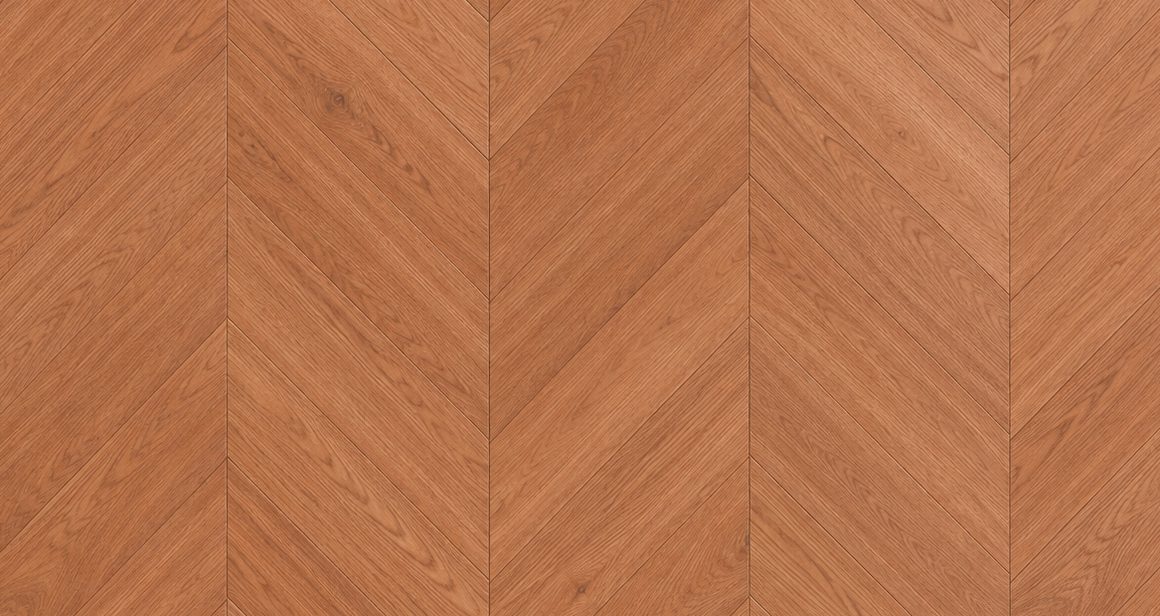
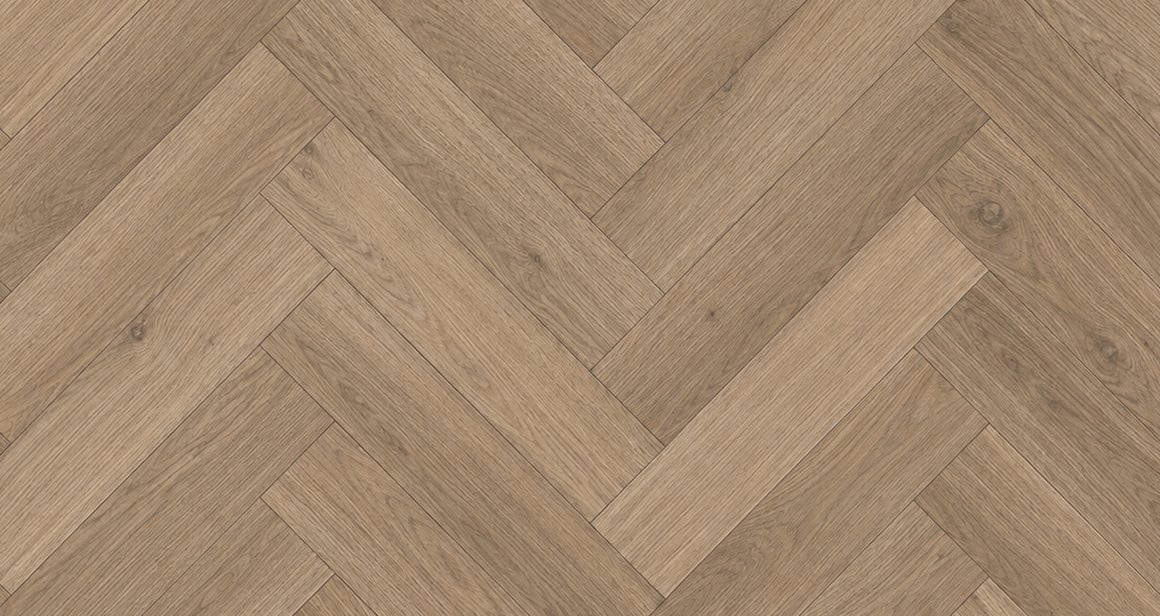
Engineered wood is the quiet default. It reads warm, it takes the light well in a room that often has one window, and a bedroom asks so little of it that the thinner wear layers are perfectly sensible — this is the one room where paying for a thick wear layer buys almost nothing.
Laminate is the honest value answer, and in a bedroom it is not a compromise. Match the AC rating to the room rather than to the house: a bedroom is the quiet end of the scale, and buying a hallway rating for it is money spent on abrasion that will never happen. See what laminate costs before you assume you need something dearer.
LVT works, and it is the right call in a loft conversion or a room over a garage where the subfloor is uneven — a rigid core is more forgiving of what it sits on. It is also the quietest of the three underfoot.
Solid wood is the one to think twice about upstairs. It needs an expansion gap, acclimatisation and a stable humidity, and a bedroom that is heated in bursts and then left cold overnight is not the kindest environment for it.
The underlay decides more than the board
In a bedroom the underlay is not the line to delete. It does three jobs, and two of them are invisible: it cuts impact sound reaching the room below, it evens out minor variation in the subfloor, and it changes how the floor feels to a bare foot.
On a first floor, ask your fitter about acoustic underlay specifically rather than accepting the default. On a ground floor, ask instead about the damp-proof membrane — that one is not optional.
Where the money is better spent
If the budget is fixed across a whole house, the bedrooms are where to take money out and put it into the hall, the kitchen and the stairs. Those three rooms take the wear; a bedroom does not. A house floored to the same specification throughout is a house that overpaid upstairs and underspecified downstairs.
Two things people get wrong
Buying for resale rather than for sleep. A bedroom floor is seen by the people who live with it far more often than by a buyer. Choose for the barefoot test.
Forgetting the door. A floor plus its underlay raises the finished level, and bedroom doors are the ones most likely to catch. Ask before the floor goes down, not after.
Common questions
Is carpet still the better choice in a bedroom?
It is warmer and quieter, and those are the two things a bedroom floor is judged on, so it remains a reasonable answer. Where a hard floor wins is dust and allergens, cleaning, and the fact that it can be softened exactly where it matters with a rug beside the bed rather than across the whole room. Many people end up with a hard floor and one good rug, which is warmer where your feet land and easier everywhere else.
Does a bedroom floor need a thick wear layer?
Less than almost any other room. The wear layer decides how many times a timber floor can be sanded back, and a bedroom gives it so little work that the question rarely arises. If the budget is fixed, take the thinner wear layer upstairs and put the difference into the hallway, where the floor actually gets walked on.
What about a floor over a garage or a loft conversion?
Two things change. The subfloor is often less flat than in the rest of the house, which favours a rigid core or a floating floor over a glued one. And the space below is usually colder, so ask about insulation under the floor as well as underlay over it — a well-specified floor over a cold void still feels cold if nothing was done underneath.
Compare the two most likely candidates on cost before deciding: laminate against engineered wood. And if the same budget has to cover the whole house, what a floor really costs sets out where the money goes.
Which rooms sit above which, and what the joists are made of, depends on the age of the house — and that depends on where it is. See our coverage by town and region.