


Herringbone and Parquet Flooring Cost
Parquet is the category where fitting cost matters most, and where the quote is most often underestimated.
Material. Published UK guide figures by species: oak around £45–65/m² (average ~£55), beech £35–70 (~£52.50), maple £53.50–86.50 (~£70), pine £20–70 (~£45) (Checkatrade).
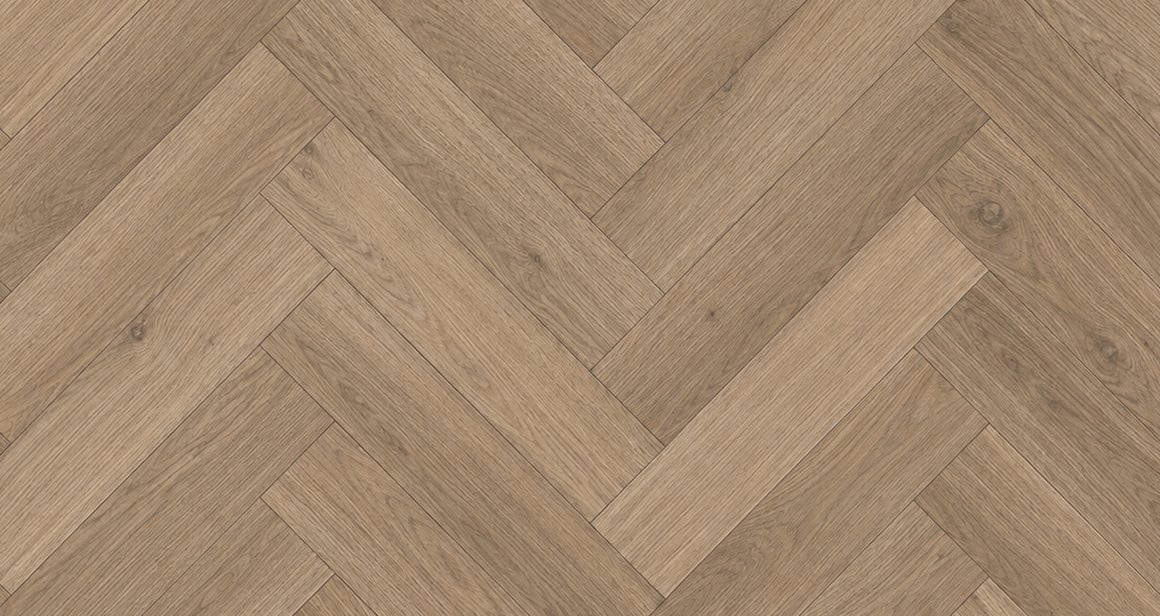
Fitting. Around £20–40/m² (average ~£30), or a day rate of £300–420 (average ~£360). A typical parquet job runs 2–5 days — considerably longer than the same room in planks.
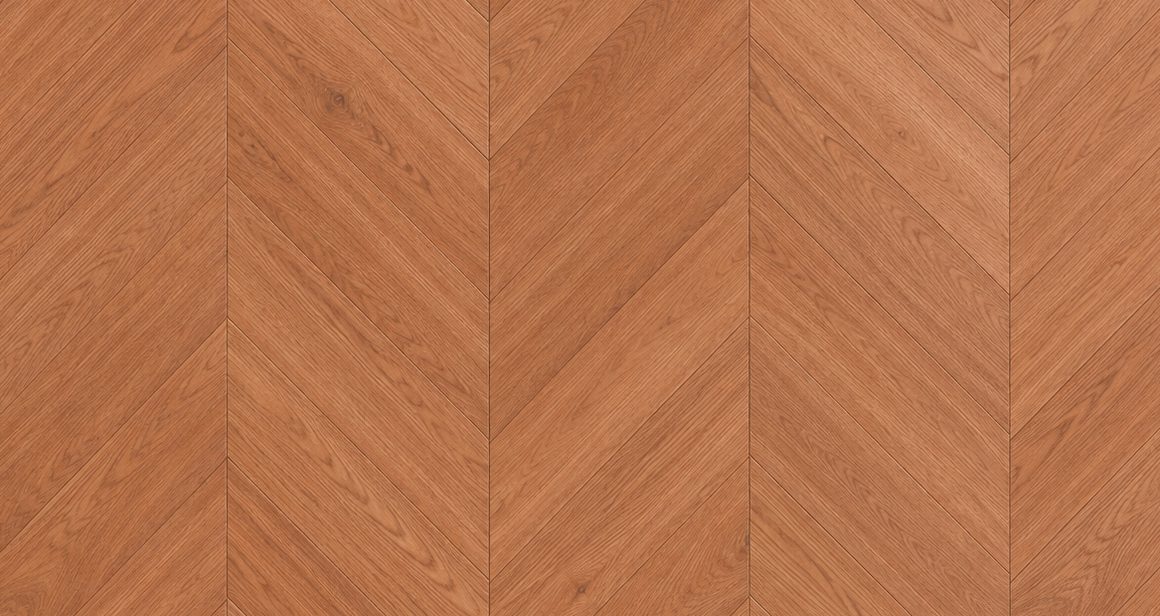
Chevron costs more than herringbone, both to buy and to fit. Angling both ends of every block removes timber that would have been floor, and the continuous lines are less forgiving of a set-out that drifts.
The three things that catch people out
The waste allowance is higher. Every perimeter cut produces an offcut that cannot be reused. Allow more than the 5% you might for planks — your fitter will give you the figure for your room shape.
The set-out takes time before anything is laid. Parquet starts from a centre line, not from a wall. That planning is part of the day rate.
A and B blocks. Herringbone and chevron ship as mirrored pairs. Ordering one hand only is a wasted delivery.
Is it worth it
For a hallway or a reception room, parquet does something no plank floor does — it makes the floor part of the architecture. For a bedroom, the same money buys a wider, thicker plank floor that will outlast it.
What the fitting figure is actually paying for
Parquet is quoted by the day more often than by the square metre, and that is not a way of hiding the price. It reflects what the work is.
The set-out. A plank floor starts at a wall. A parquet floor starts at a centre line found from the room, dry-laid to check where the pattern lands at both ends, and adjusted before a single block is fixed. In an irregular room this can take most of the first day, and it is the difference between a pattern that closes neatly at the door and one that arrives at the skirting mid-block.
The subfloor. Parquet is less forgiving of a subfloor that is not flat than a plank floor is, because the joints run in two directions and a hollow shows up along both. Where levelling is needed it happens before the set-out, and it dries on its own schedule rather than the programme's.
The perimeter. Every edge is a cut, and in a pattern floor most edges are angled cuts. This is where the waste allowance goes, and it is why the allowance for parquet is higher than the one you might use for planks.
What to settle before the order goes in
The direction of the runs. Herringbone and chevron both draw the eye along their direction. Run them along the longest sightline and the room reads longer; run them across it and it reads wider. In a hallway that decision does more than the choice of pattern.
The border. A single or double border frames the field and absorbs an irregular wall, which is worth knowing in a period room where no two walls are parallel. It also adds material and time, so it belongs in the quote rather than in the conversation on site.
Both hands of block. Herringbone and chevron ship as mirrored pairs, and a run needs both to close. Confirm the split on the order, not when the pallet arrives.
Where the money is better spent
On the fitter, and on the preparation under the floor. A pattern floor is the one case where the fit is worth more than the upgrade: an excellent block laid on a drifting set-out looks worse than a modest one laid true, and the difference is visible from the doorway for as long as the floor is down.
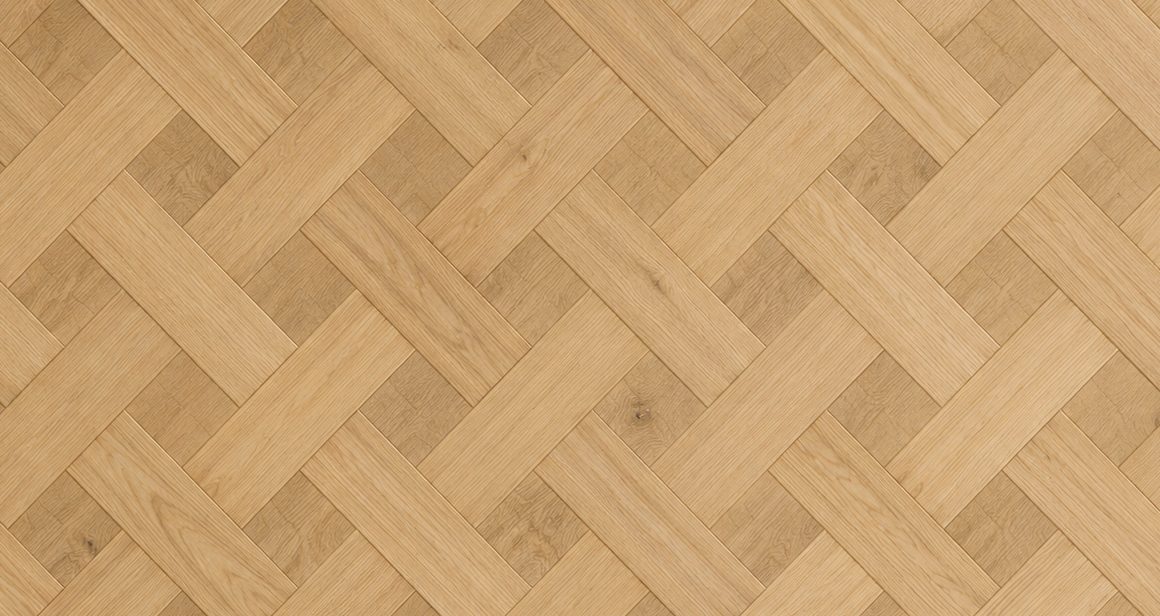
→ Herringbone · Chevron · Versailles panels · Herringbone vs chevron
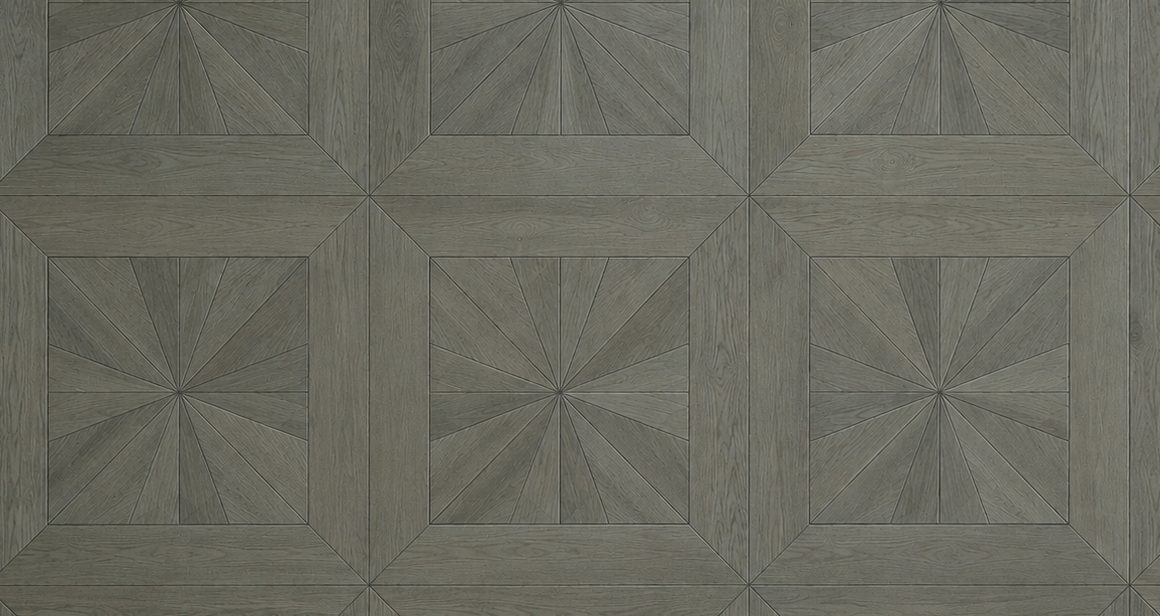
Which room the floor is going in decides most of this, so weigh current herringbone prices against the wider, thicker plank the same money buys. Where the pattern is still open, herringbone against chevron, compared sets the two beside each other, and how a flooring quote is built up puts the set-out and the day rate in proportion.
Common questions
Why does parquet cost more to fit than planks?
Three reasons that all show up as time. The set-out starts from a centre line rather than from a wall, and that planning happens before anything is laid. Every perimeter cut produces an offcut that cannot be reused, so the waste allowance is higher than for planks. And a pattern that drifts is visible across the whole room, so the work is slower and more exacting.
Does chevron cost more than herringbone?
Yes, to buy and to fit. Angling both ends of every block removes timber that would otherwise have been floor, and the continuous lines are less forgiving of a set-out that wanders. Where the budget is fixed and the pattern is open, herringbone gives more floor for the money.
What are A and B blocks, and do I need both?
Herringbone and chevron ship as mirrored pairs. A run needs both hands to close the pattern, so ordering one hand only means a second delivery and a stalled fit. Confirm the split on the order rather than after it arrives.
Parquet is most often specified in period rooms, and which period a room belongs to depends on the street it is on. See the towns and regions we cover.
What the published standards say
Each entry is quoted from its source and linked to it. The full set is in the standards reference.
Cutting waste — how much extra to order
There is no published industry standard for cutting waste; the figures come from manufacturers' own guidance and they vary. Havwoods advises 8-12 % wastage for planks and 15-20 % for patterned floors such as herringbone or chevron. Quick-Step's UK guidance for laminate is 5 % extra in a regular room and 10 % in a room with many angles or curves.
| Wastage allowance, plank floors (Havwoods UK) | 8-12 % |
|---|---|
| Wastage allowance, herringbone or chevron (Havwoods UK) | 15-20 % |
| Extra to order, regular room, laminate (Quick-Step UK) | 5 % |
| Extra to order, room with many angles or curves, laminate (Quick-Step UK) | 10 % |
“For planks we typically advise on 8-12% wastage and patterned floors, such as herringbone or chevron, may need 15-20% wastage.”
Source: Havwoods UK - FAQs: How Much Wastage Shall I Encounter For? · second source