




Oiled vs Lacquered Wood Flooring
Every oak board in the range comes with one of two kinds of finish, and the choice matters more than the colour, because it decides how the floor will be looked after for the next twenty years. An oil sits in the wood. A lacquer sits on it. That one difference explains almost everything else.
What each finish is
Oil, whether a UV oil, a plain oil or a hard wax oil, soaks into the top of the oak and hardens there. The surface you touch is still wood, with a thin, matt protection inside it. The look is soft and close to bare timber, and the grain reads as texture rather than as a picture under glass. Hard wax oil is the version used on the deep-brushed antique boards, where it settles into the open grain; an invisible oil is one formulated not to add the amber tone a conventional oil gives.
Lacquer, whether UV lacquered, matt lacquered or invisible lacquered, is a film cured on top of the oak. The surface you touch is the film. It is harder than an oiled surface against abrasion, it is wiped clean rather than cared for, and it can be specified matt enough that most people cannot tell it from oil at a glance. An invisible lacquer keeps the pale, sanded look the same way an invisible oil does.
The maintenance difference, which is the real difference
An oiled floor wears where it is walked on and can be repaired where it has worn. The worn patch in front of the sink or at the foot of the stairs is cleaned, lightly abraded and re-oiled with the manufacturer's maintenance oil, and the repair blends into the floor around it. The rest of the floor is left alone. That makes oil the finish for a hallway or a kitchen, where wear is local and predictable.
A lacquered floor wears more slowly and cannot be repaired locally: a patch of new lacquer shows as a patch. When the film has worn through, the whole floor is sanded and refinished, which is a bigger job but a rarer one. That makes lacquer the finish for a living room, a bedroom or a dining room, where wear is spread and slow and the floor is mostly wiped clean.
Both finishes dislike standing water, and the trade guidance for cleaning wood and multilayer floors is low moisture throughout: a damp mop, not a wet one, and no pooling. The industry statement of that rule is quoted at the end of this guide.
Which rooms get which finish
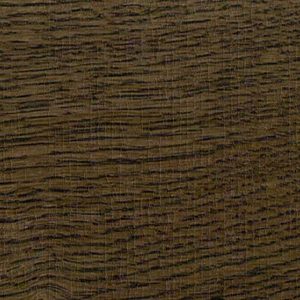
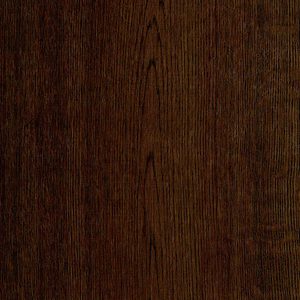
Hallway and kitchen: oil, and brushed rather than smooth. The wear is local, the repair is local, and brushing hides the fine scratches that grit leaves. The natural oak boards and the dark oak boards both carry oiled, brushed options.
Living room, dining room, bedroom: either, decided by look and by how much attention you are prepared to give the floor. Lacquer if you want to wipe and forget; oil if you like the softer surface and are happy to re-oil a patch every few years.
Homes with dogs: oil, brushed. Claws mark any wood floor; on an oiled brushed board the marks join the texture and can be oiled over. The guide to floors for homes with dogs goes into the detail.
Rental property: lacquer, usually. Between tenancies a lacquered floor is cleaned; an oiled floor may want re-oiling, which is work nobody schedules. The rentals guide weighs it up.
Sanding and refinishing
Both finishes are removed by sanding when a floor is refinished as a whole, and how many times that can happen depends on the depth of oak above the core, the wear layer, not on the finish. The engineered boards in the range carry 3 mm, 4 mm or 6 mm; the solid boards are oak throughout. No trade body puts a number on how many sandings a wear layer allows, and the one manufacturer figure that could be sourced is quoted below with that caveat. The wear layer guide covers the choice.
Colour, and the invisible finishes
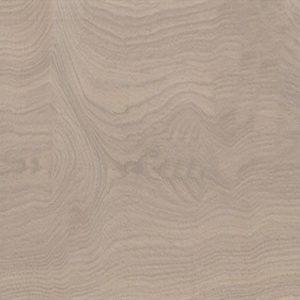
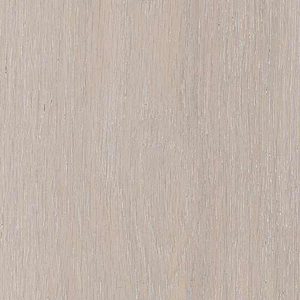
Both oil and lacquer add an amber cast to oak, which is the colour most people think of as oak's own. An invisible finish, oil or lacquer, is formulated not to, so the board stays close to the pale, dry colour of freshly sanded timber. The light oak boards use both kinds. A white oil goes the other way, adding a pale pigment; the white oak boards are all oiled for that reason, and the maintenance oil for them has to be white as well, because a clear oil darkens the patch it is applied to.
Common questions
Can I lacquer over an oiled floor later?
Not without sanding the oil off first. Lacquer needs a clean, bare surface to bond to, and oil in the grain stops it. An oiled floor stays oiled until it is sanded back; a lacquered floor can be sanded and oiled instead, for the same reason.
Which finish is more hard-wearing?
Lacquer resists abrasion better and wears through more slowly. Oil wears sooner and is repaired more easily. Over the life of the floor the two come out closer than the first year suggests, because a repaired oiled floor keeps being repaired while a worn lacquered floor waits for a full refinish.
Does the finish change the colour?
A conventional oil or lacquer adds a warm amber cast; an invisible oil or lacquer does not; a white oil adds a pale pigment. Two samples of the same board in different finishes, side by side, show the difference better than any description.
Does either finish stop water damage?
No. Both protect against spills that are wiped up and neither protects against standing water, which gets into the joints whatever the surface. The cleaning guidance quoted below is the same for both: low moisture, no pooling.
The same finishes appear across the engineered oak and solid oak ranges, and on the parquet blocks. How much traffic a floor gets, and how much grit comes in with it, depends on the house and the street as much as on the household. Browse by town and region.
What the published standards say
Each entry is quoted from its source and linked to it. The full set is in the standards reference.
Cleaning — the manufacturers’ own guidance
For multilayer modular floor coverings the MMFA requires low-moisture cleaning methods and states that pooling of liquid on the floor must be avoided under all circumstances.
“Absolutely avoid ponding in any case!”
Source: Basic cleaning — MMFA (Multilayer Modular Flooring Association)How often a wood floor can be sanded
No trade-association or standards source found puts a number on how often an engineered wood floor can be sanded; the only sourced figure comes from a manufacturer, Kährs, which says engineered floors can be sanded up to four times depending on wear-layer thickness.
| sanding cycles, engineered wood floor (manufacturer statement) | up to 4 times |
|---|
“Depending on the thickness of the wear layer, they can be sanded up to four times, extending their lifespan significantly.”
Source: FAQ about flooring - KährsA guarantee is in addition to your legal rights
Section 30 of the Consumer Rights Act 2015 requires a goods guarantee to state that the consumer has statutory rights in relation to the goods and that those rights are not affected by the guarantee, so a manufacturer's guarantee sits alongside statutory rights rather than replacing them.
“the guarantee states that the consumer has statutory rights in relation to the goods and that those rights are not affected by the guarantee”
Source: Consumer Rights Act 2015, section 30: Goods under guarantee — legislation.gov.uk