


Best Flooring for Hallways and Stairs
The hallway takes more traffic than any other floor in the house, and it is the one people most often buy last, out of what is left over. That is the wrong way round.
Every journey through the house crosses it. Everything that comes in from outside — grit, rain, salt in winter — lands on it first. And it is the first floor a visitor sees, which is the only part of the argument that gets attention.
What a hallway floor has to survive
Grit. This is the real enemy, and it is not water. Grit carried in on shoes acts like sandpaper underfoot, and it concentrates in the first two metres inside the door. A doormat well and a decent mat do more for a hallway floor than any upgrade to the board.
Standing water in winter. Not a flood — a wet umbrella and four pairs of shoes. A floor that shrugs off a wiped spill may not shrug off a puddle that sits there for an hour.
Point loads. Everything heavy that enters the house is dragged across this floor.
What we would specify
LVT or rigid-core vinyl is the strongest all-round answer. It takes on no water, the wear layer is the part you specify up rather than the whole board, and the thin build-up rarely causes door problems. Specify a commercial-grade wear layer here even in a house — this is the room that justifies it. What SPC is and where it belongs explains the core difference.
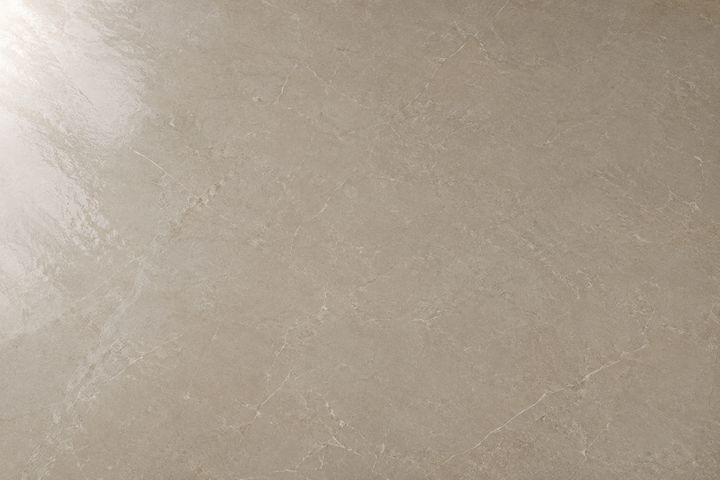
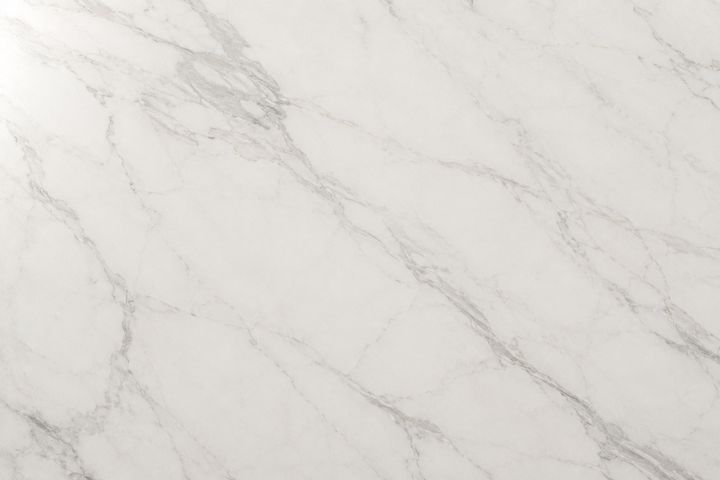
Porcelain tile is the hardest wearing of everything on this list and the obvious choice in a period hallway where tile belongs to the architecture. It is cold and hard, which is a fair trade in a room nobody stands still in, and it is the one option where underfloor heating genuinely changes the experience.
Engineered wood looks best and asks the most in return. It works if the mat well is real and the household takes shoes off. With a thicker wear layer it can be sanded back when the traffic finally tells, which is a genuine argument the other options cannot make.
Laminate is the one to be careful with. It is the room where the AC rating matters most, and it is also where standing water is most likely. If laminate is the budget answer, buy the highest rating in the range and take the water seriously.
The staircase is a separate decision
This is the part that surprises people. A staircase is not a floor laid on a vertical surface; it is joinery.
Not every floor can go on stairs. A floating floor cannot — every tread and riser has to be bonded, and the nosing needs a matching profile that the range either offers or does not. Ask before you choose the floor, not after.
The nosing is the whole job. The front edge of each tread takes the wear, sets the safety of the stair, and is the part a fitter spends the time on. A range with a proper matching nosing profile is worth more on a staircase than a nicer board without one.
Sound travels. A hard floor on a staircase in the middle of a house is audible everywhere. Where that matters, a stair runner over a hard floor gets the look and takes the edge off.
The detail that costs nothing and decides everything
A recessed mat well at the front door, sized so both feet land on it before the floor does. It is a joinery detail agreed before the floor is laid, it costs a fraction of what it saves, and it is the single most effective thing you can do for a hallway floor. Without it, the first two metres wear out years before the rest.
Common questions
Can I use the same floor in the hallway as in the living room?
You can, and it makes a small house read larger because the eye is not stopped at every threshold. What should change is the specification, not the design: the same range in a higher wear layer or a higher abrasion rating in the hall. If that is not possible within the range, running a harder floor in the hall and matching the tone elsewhere usually looks better than compromising both.
Can engineered wood go on stairs?
Often yes, but only glued and only where the range offers a matching stair nosing. A floating installation is not an option on a staircase. Raise it at the quotation stage, because the nosing profile is what decides it and it is not something a fitter can improvise on site.
What is the best floor for a hallway with a dog?
Rigid-core vinyl with a commercial wear layer, in most cases. It takes on no water from wet paws, it does not scratch the way a lacquered timber surface does, and the grip is better than polished porcelain. If the floor must be timber, an oiled finish is the more forgiving choice, because it can be repaired in patches rather than resanded whole.
Two pages carry on from here: what LVT costs to buy and to lay, and what changes when there is a dog in the house. The full range is at LVT and rigid vinyl and porcelain tiles.
How much grit arrives at the front door has a lot to do with what is outside it. See the towns and regions we deliver to.