Samples available UK-wide delivery
Shop by category
Pro Portal
4.6 Trustpilot 2400+ orders delivered UK-wide delivery

Your Basket

0

Your basket is empty

Browse our editorial collections and find your perfect floor.

Browse Collections
Subtotal £0.00
Shipping & discounts calculated at checkout
SSL encrypted — safe and secure
How to choose 6 min read

Bathroom Wall Panels: How Wall & Water Works

What the Berry Alloc Wall & Water panel is made of, its size and weight, what waterproof and EN 13501-1 mean on its datasheet, and when panels beat tiles.

Guide type
How to choose
Reading time
6 min
Sources quoted
2 published sources
Questions answered
4

A bathroom wall has two jobs: keep the water on the right side, and be cleanable for as long as the bathroom lasts. Tiles do both, with grout as the weak point. A wall panel does both with a joint every 600 mm instead of every 300, and it goes up as one piece from floor to ceiling. This guide is about the one panel system in the range, the Berry Alloc Wall & Water shower panel, what it is made of, what it weighs, and what the words on its datasheet mean.

1/ 9
01

What the panel is

The face is high-pressure laminate, HPL, the same family of material used for worktops: layers of resin-impregnated paper pressed under heat into a hard, dense sheet with the decor printed into it. Behind the face is a core of seven layers of plywood, and behind that a balancing layer, a paper impregnated with polyethylene, which keeps the panel flat by matching the pull of the face. The three layers make a panel 10.2 mm thick. It is a wood-cored product with a plastic-faced skin, which is why it goes together like a floor and cleans like a worktop.

02

Size, coverage and weight

Each panel is 600 mm wide and 2400 mm long, which is 1.44 m² of wall. Stood upright, a single panel runs floor to ceiling in any bathroom with a ceiling at or below 2.4 m, so a shower enclosure is a handful of panels and no horizontal joint at all. A panel weighs 22.6 kg. That is a two-person lift into position, and it is worth knowing before the delivery arrives, because a 2.4 m sheet does not go up a narrow staircase easily on its own.

The coverage arithmetic is simple: the wall's width in metres divided by 0.6, rounded up, is the panel count, and the offcut from the last panel is usually the return for a window reveal or a boxed pipe. Unlike a floor, there is little cutting waste in a straight run.

03

How it goes together

The panels join with an interlocking system along the long edge, so one panel locates in the next rather than sitting beside it. The joint is the part of any wall system that decides whether it keeps water out, and the reason panels are preferred over tiles in a shower is that there are fewer of them: a 1.8 m wall has two vertical joints in panels and, in 300 mm tiles, five vertical and seven horizontal grout lines. The manufacturer's fitting instructions set out how the joints and the edges at the tray, the ceiling and any corner are sealed, and those instructions are the specification. The manufacturer's listing applies to the panel as a sheet; the installation is what keeps water out of the wall.

See also
04

The words on the datasheet

Waterproof: yes
The panel is listed as waterproof by the manufacturer. In this range we say "listed as waterproof" rather than promising anything ourselves, because the claim is the manufacturer's and it refers to the product, not to a wall somebody else has built.
Fire rating: EN 13501-1
That is the name of the European standard that classifies how building products react to fire, not a class in itself. The class the panel achieved is stated in the manufacturer's declaration, and it is the figure to quote if a building control officer or a landlord asks. Floor coverings are classified under the same standard with an "fl" after the letter; a wall panel's class has no such suffix.
Made in Belgium
Berry Alloc is a Belgian manufacturer, and the panel is made there.
Warranty: lifetime
The manufacturer's warranty is described as lifetime. Section 30 of the Consumer Rights Act 2015 requires a guarantee on goods to state that the consumer has statutory rights and that those rights are not affected by the guarantee, so the warranty sits alongside the rights the Act gives you rather than replacing them. What "lifetime" covers, and what it asks of the installation, is in the warranty's own terms, and they are worth reading before the panel goes up rather than after.
05

The five decors

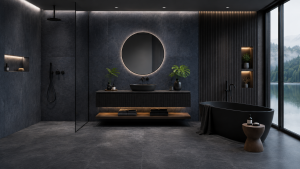
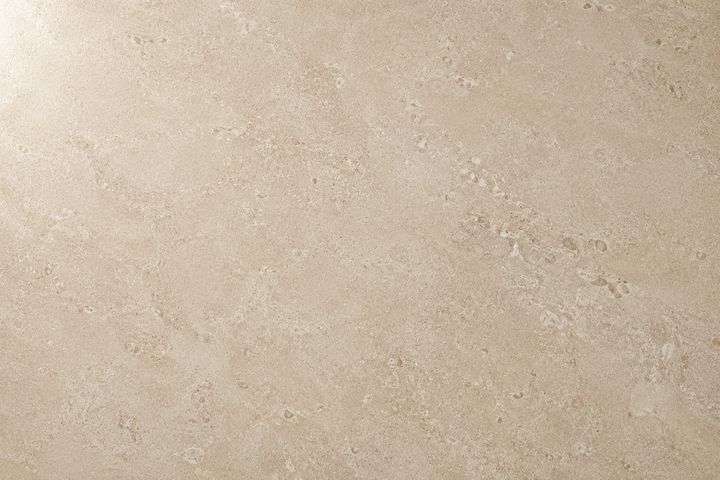
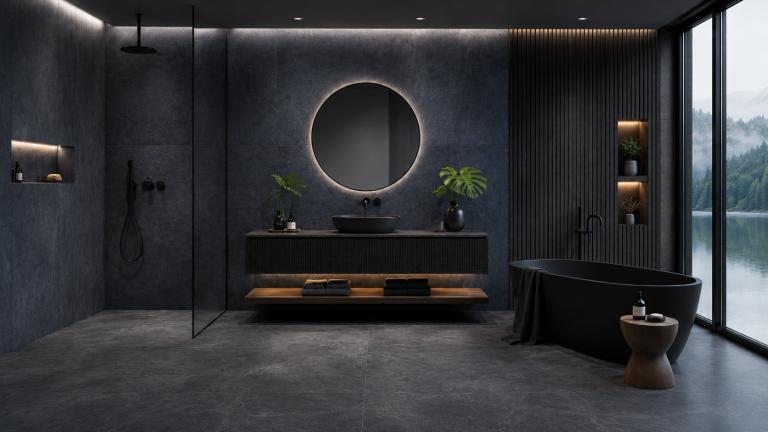
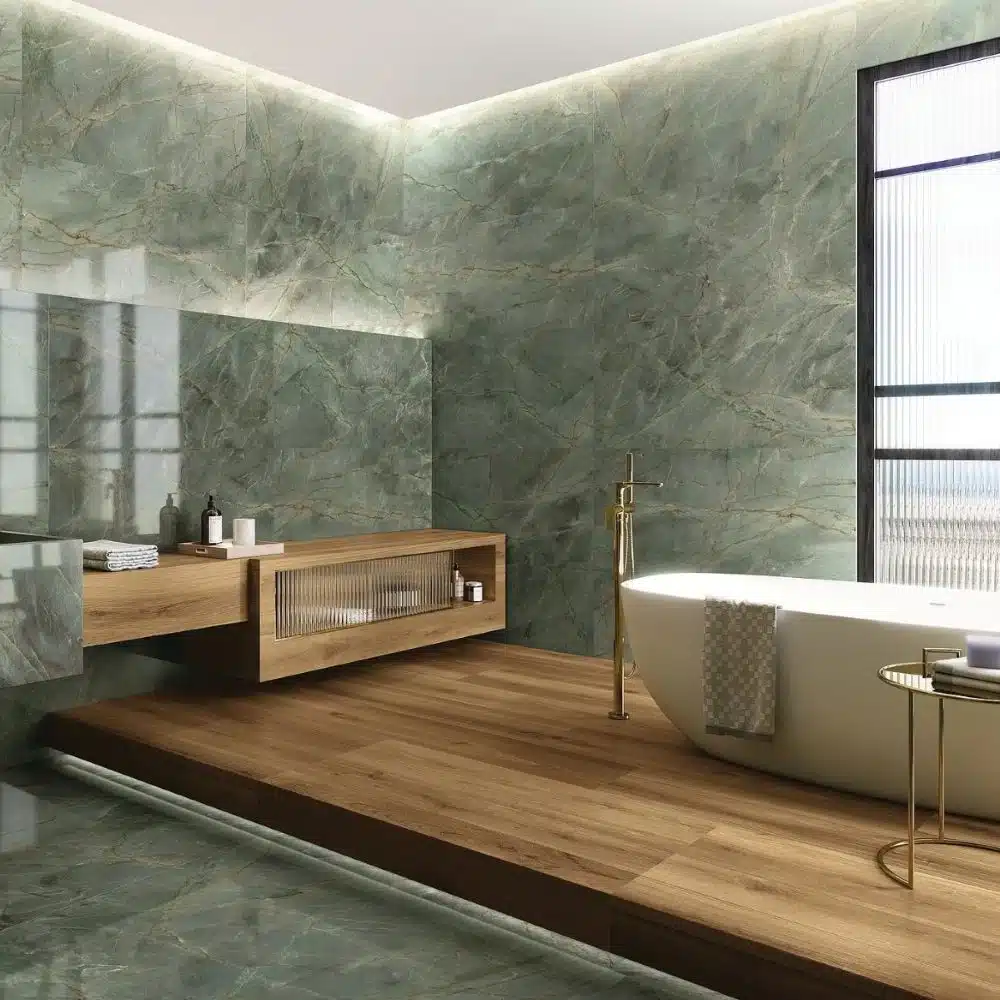
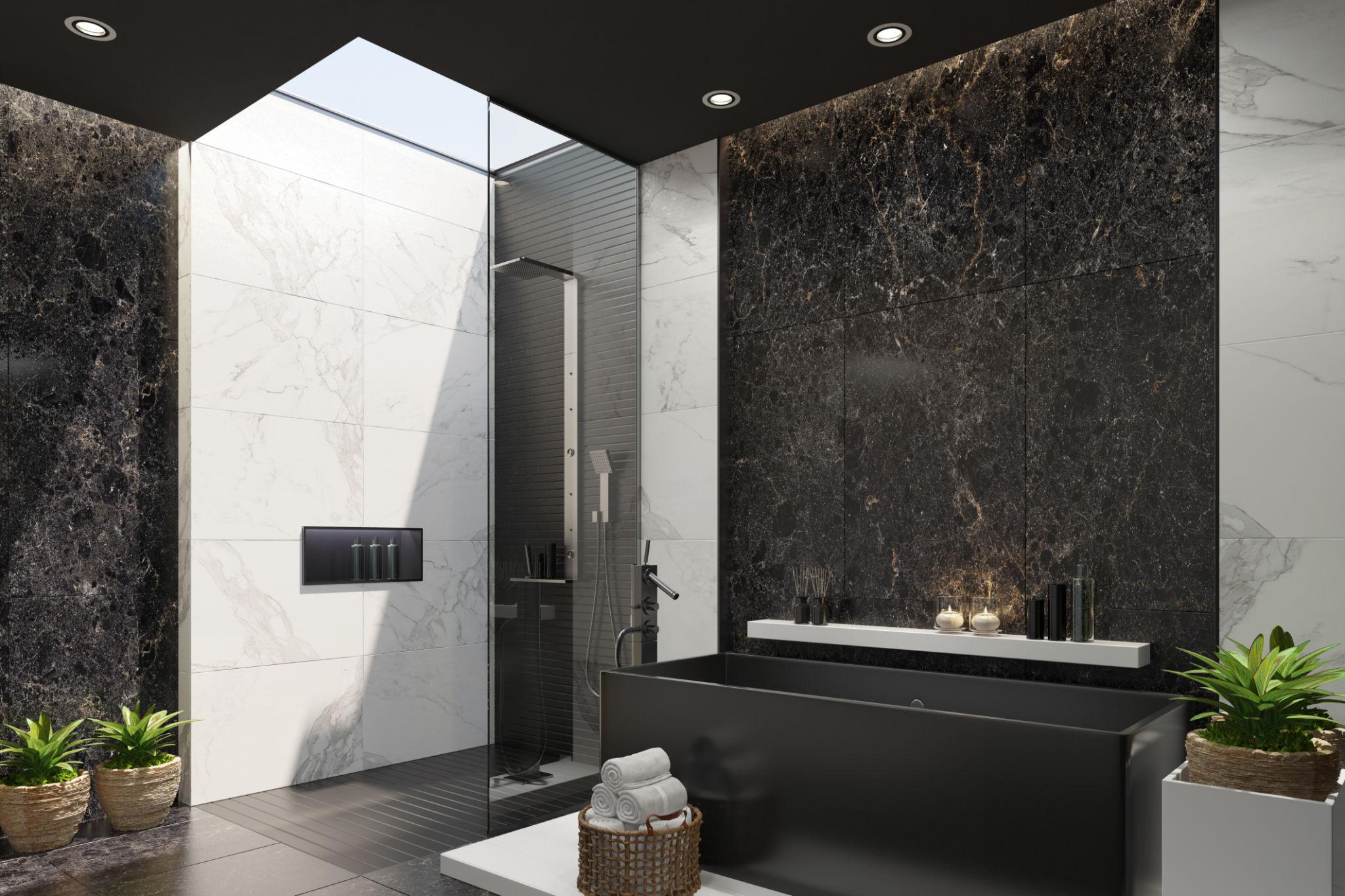
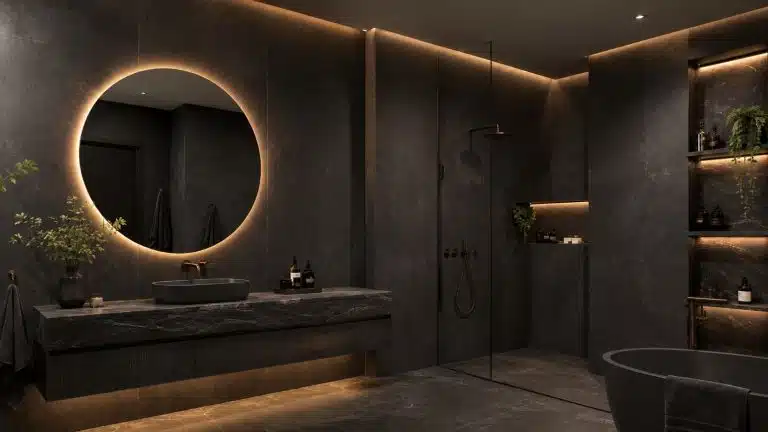
The range carries five faces: Concrete, Cement, White Brooklyn Concrete, White Marble and Black Velvet. Three are grey concrete tones at different depths, one is a white marble and one is a dark velvet black. They share every specification above; the decision between them is the room's, and the usual pairing is a light panel on the walls with a porcelain floor tile that carries the pattern, or a dark panel behind the shower and a plain floor.

06

Panels or tiles

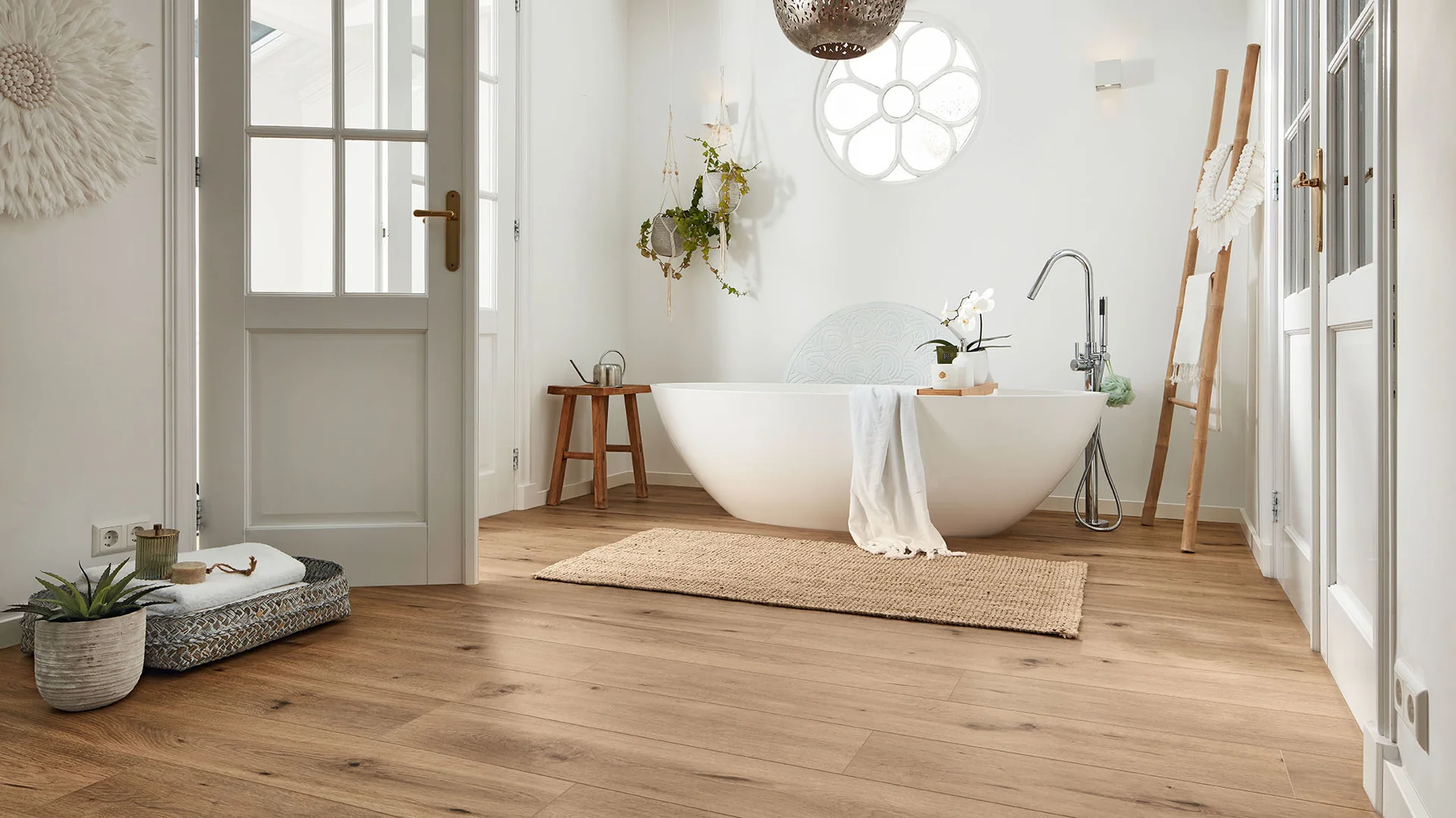
For the floor of a bathroom the answer in this range is porcelain or rigid vinyl, and the bathroom flooring guide sets out which. For the walls the question is more even. Tiles offer a smaller format, a wider choice of pattern and a floor-to-wall match in the same material; panels offer fewer joints, no grout to clean or regrout, and a faster installation with less wet trade. A shower enclosure is where panels make the strongest case, because that is where the grout was going to fail first. A feature wall behind a basin is where tiles keep theirs.

See also
07

Before ordering

Measure the wall heights as well as the widths, because a ceiling above 2.4 m needs a horizontal joint or a trim, and that changes the count. Check the wall the panel is going onto: the fitting instructions say what it can be fixed to and how flat it has to be. Confirm who is fitting it, because the sealing of the joints is the part of the job that carries the water claim. And read the warranty terms, because a lifetime warranty is only as long as its conditions.

See also
08

Common questions

Are the panels waterproof?

The panel is listed as waterproof by the manufacturer. Whether the wall keeps water out depends on the joints between panels and the edges at the tray, ceiling and corners being sealed as the fitting instructions describe. The sheet is the manufacturer's claim; the installation is the fitter's.

How many panels do I need?

Each panel covers 600 mm of wall width at 2400 mm high, which is 1.44 m². Divide each wall's width in metres by 0.6 and round up: a 900 mm wall is two panels with 300 mm left over, and whether that offcut can serve the next wall depends on which edge it keeps, which the fitting instructions settle.

Can the panels go on the floor?

No. They are wall panels, and the range's floors for a bathroom are porcelain tile and rigid vinyl listed as waterproof. The wall panel and the floor tile are often specified together, in a plain panel and a patterned tile or the other way round.

What does the lifetime warranty cover?

What its terms say, and no more; read them before fitting. Under section 30 of the Consumer Rights Act 2015 a guarantee has to state that your statutory rights are not affected by it, so the warranty adds to those rights rather than replacing them.

Bathrooms are refitted in every kind of house, and the walls behind the old tiles differ by the age of the building. Browse by town and region.

See also
09

What the published standards say

Each entry is quoted from its source and linked to it. The full set is in the standards reference.

A guarantee is in addition to your legal rights

Section 30 of the Consumer Rights Act 2015 requires a goods guarantee to state that the consumer has statutory rights in relation to the goods and that those rights are not affected by the guarantee, so a manufacturer's guarantee sits alongside statutory rights rather than replacing them.

“the guarantee states that the consumer has statutory rights in relation to the goods and that those rights are not affected by the guarantee”

Source: Consumer Rights Act 2015, section 30: Goods under guarantee — legislation.gov.uk

Euroclass — reaction to fire

Floor coverings are classified for reaction to fire in a separate flooring series identified by the subscript fl: A1fl, A2fl, Bfl, Cfl, Dfl, Efl and Ffl. The fl in the designation is what marks the class as a flooring class; smoke production is given as an additional classification.

Flooring class 1A1fl
Flooring class 2A2fl
Flooring class 3Bfl
Flooring class 4Cfl
Flooring class 5Dfl
Flooring class 6Efl
Flooring class 7Ffl

“Classes of reaction to fire performance for floorings”

Source: Commission Delegated Regulation (EU) 2016/364 on the classification of the reaction to fire performance of construction products, Annex (as retained in UK law)
Still deciding?
A sample on the floor, in the room it is for, answers most of what a description cannot.
Share
Not sure it suits your room?
A real cut from a real board. Samples £1.99 each, up to 10 per order.
Order samples · £1.99
Newsletter

New ranges and offers. Hear it first.

Unsubscribe anytime