


Flooring by room: what each room actually demands
A room is a set of demands, not a style. Below: what each room actually puts a floor through, which constructions answer it, and the published guidance behind the answer.
Kitchens
What the room demands. Standing water at the sink and the dishwasher, grit walked in from outside, and a floor that is cleaned more often than any other in the house.
Constructions that answer it. LVT — luxury vinyl tile, SPC rigid core, Porcelain tiles.
BS EN 13329 — laminate floor coverings
BS EN 13329 specifies the characteristics, requirements and test methods for laminate floor coverings with a surface layer based on aminoplastic thermosetting resins, including requirements for marking and packaging. It also contains a classification system based on EN ISO 10874 for areas and levels of use, and it does not cover areas subject to frequent wetting such as bathrooms, laundry rooms or saunas.
“BS EN 13329 specifies characteristics, requirements, and test methods for laminate floor coverings with a surface layer based on amino plastic thermosetting resins. BS EN 13329 specifies requirements for marking and packaging.”
Source: BS EN 13329:2016+A2:2021 | 31 Oct 2021 | BSI KnowledgeCleaning — the manufacturers’ own guidance
For multilayer modular floor coverings the MMFA requires low-moisture cleaning methods and states that pooling of liquid on the floor must be avoided under all circumstances.
“Absolutely avoid ponding in any case!”
Source: Basic cleaning — MMFA (Multilayer Modular Flooring Association)Bathrooms
What the room demands. Water on the surface and grip underfoot when it is wet. Slip resistance here is a measured quantity, not a description.
Constructions that answer it. Porcelain tiles, LVT — luxury vinyl tile, SPC rigid core.
Pendulum Test Value — how slip risk is assessed
HSE grades pedestrian slip potential from the pendulum test value (PTV): 0-24 is high slip potential, 25-35 moderate and 36 or above low slip potential, the pendulum coefficient-of-friction test being the subject of BS 7976 Parts 1-3.
| low slip potential | 36 + PTV |
|---|---|
| moderate slip potential | 25-35 PTV |
| high slip potential | 0-24 PTV |
“Table 1 Slip potential classification, based on pendulum test values (PTV) PTV High slip potential 0-24 Moderate slip potential 25-35 Low slip potential 36 +”
Source: HSE - Assessing the slip resistance of flooring (GEIS2)BS EN 13893 — slip resistance, dry conditions
EN 13893 sets the parameters for measuring the dynamic coefficient of friction of resilient, laminate and textile floor coverings walked on with shoes; the result is a dynamic coefficient of friction and the measurement is taken on dry surfaces only.
| measured quantity | dynamic coefficient of friction (u) |
|---|---|
| relief floor coverings included up to displacement volume | 4 cm3/dm2 |
“This European standard specifies the parameters for the measurement of dynamic coefficient of friction (u) on surfaces of resilient, laminate and textile floor coverings, usually walked on with shoes. Reliefed floor coverings with a displacement volume <= 4 cm3/dm2 are included.”
Source: BS EN 13893:2002 - Resilient, laminate and textile floor coverings. Measurement of dynamic coefficient of friction on dry floor surfaces (British Standard)BS EN 13329 — laminate floor coverings
BS EN 13329 specifies the characteristics, requirements and test methods for laminate floor coverings with a surface layer based on aminoplastic thermosetting resins, including requirements for marking and packaging. It also contains a classification system based on EN ISO 10874 for areas and levels of use, and it does not cover areas subject to frequent wetting such as bathrooms, laundry rooms or saunas.
“BS EN 13329 specifies characteristics, requirements, and test methods for laminate floor coverings with a surface layer based on amino plastic thermosetting resins. BS EN 13329 specifies requirements for marking and packaging.”
Source: BS EN 13329:2016+A2:2021 | 31 Oct 2021 | BSI KnowledgeLiving rooms
What the room demands. Appearance first, then wear from daily traffic and from furniture. In a flat, what the floor does to the household below it comes before either.
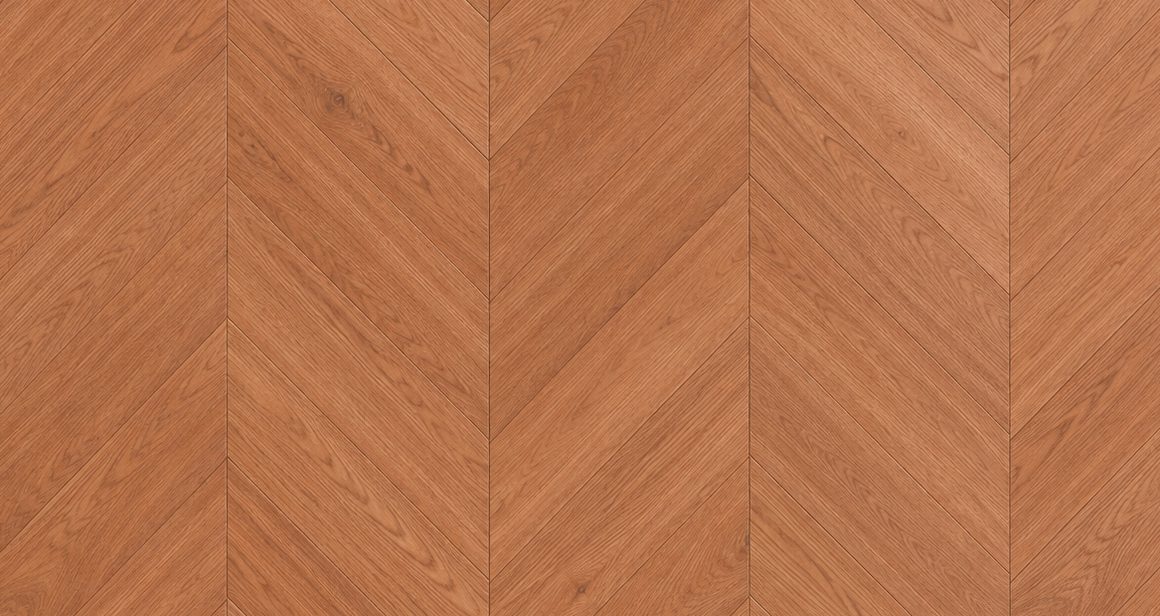
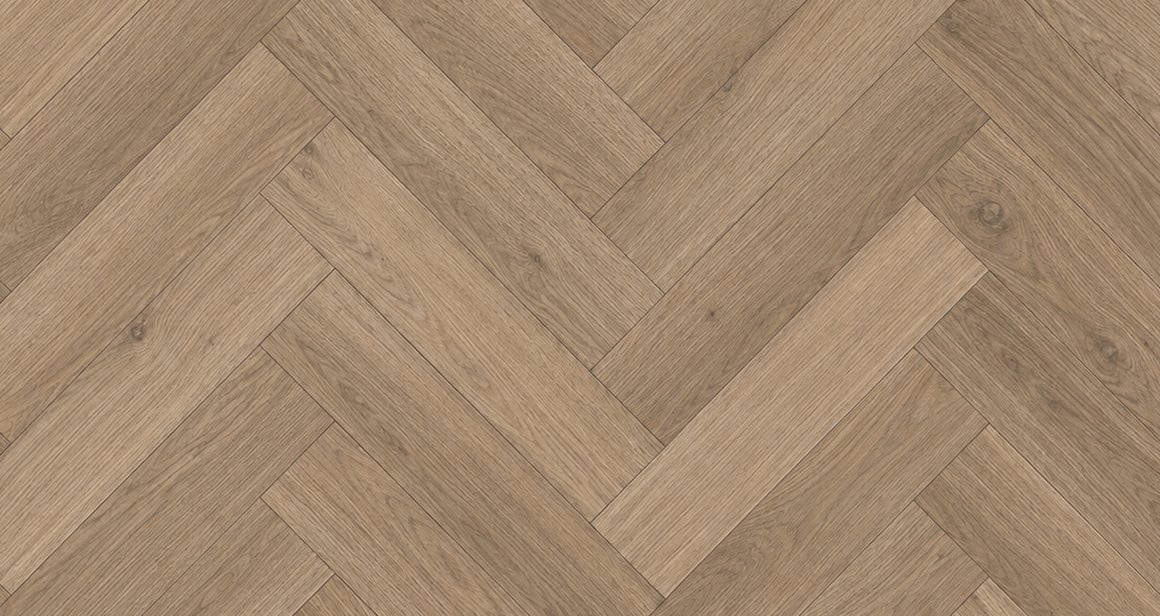
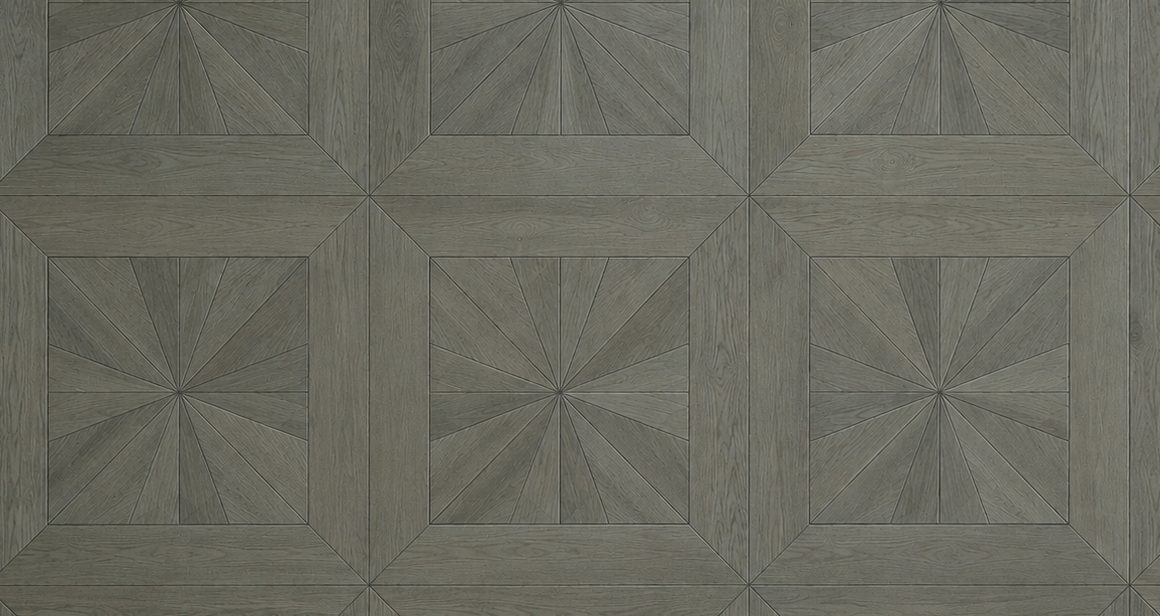
Constructions that answer it. Engineered wood, Parquet, herringbone and chevron, Solid wood.
EN ISO 10874 — use classes
EN ISO 10874 sets out a classification of floor coverings by area and intensity of use; the classes are 21, 22 and 23 for domestic use, 31 to 34 for commercial use and 41 to 43 for industrial use.
| Class 21 | Domestic moderate/light |
|---|---|
| Class 22 | Domestic general/medium |
| Class 23 | Domestic heavy |
| Class 31 | Commercial moderate |
| Class 32 | Commercial general |
| Class 33 | Commercial heavy |
| Class 41 | Industrial moderate |
| Class 42 | Industrial general |
| Class 43 | Industrial heavy |
“In EN ISO 10874 a classification system for different use classes is described, with references to the relevant product standards.”
Source: How to use the Floor Covering Standard Symbols (FCSS) — EUFCA, symbols per EN 15398ΔLw — the improvement a covering provides
The impact sound improvement of a floor covering is the weighted reduction in impact sound pressure level that the covering achieves over a bare reference floor. ISO 717-2 defines the single-number quantities for the impact sound reduction of floor coverings and floating floors, calculated from laboratory measurements made in accordance with ISO 10140-3.
| Measurement standard (laboratory) | ISO 10140-3 |
|---|---|
| Rating standard (single-number quantity) | ISO 717-2 |
“defines single-number quantities for the impact sound reduction of floor coverings and floating floors calculated from the results of measurements carried out in accordance with ISO 10140-3; specifies a procedure for evaluating the weighted reduction in impact sound pressure level by floor coverings on lightweight floors”
Source: ISO 717-2:2020 - Acoustics - Rating of sound insulation in buildings and of building elements - Part 2: Impact sound insulation (ISO catalogue)What an underlay is actually for
The MMFA groups the benefits of an underlay under floating multilayer modular flooring into three headings: ensuring a satisfactory installation by levelling unevenness, permanently protecting the floor against wear and against rising residual building moisture, and improving the floor's properties in terms of impact sound, walking noise, heat insulation and walking comfort.
“The requirements for suitable underlays are aimed at protecting the floor from daily wear and tear such as falling objects and walking, as well as shielding the floor from rising residual building moisture or damp.”
Source: Underlays — MMFA (Multilayer Modular Flooring Association)Bedrooms
What the room demands. The lightest traffic in the house, and the room where warmth underfoot and quiet matter most.
Constructions that answer it. Engineered wood, Laminate.
EN ISO 10874 — use classes
EN ISO 10874 sets out a classification of floor coverings by area and intensity of use; the classes are 21, 22 and 23 for domestic use, 31 to 34 for commercial use and 41 to 43 for industrial use.
| Class 21 | Domestic moderate/light |
|---|---|
| Class 22 | Domestic general/medium |
| Class 23 | Domestic heavy |
| Class 31 | Commercial moderate |
| Class 32 | Commercial general |
| Class 33 | Commercial heavy |
| Class 41 | Industrial moderate |
| Class 42 | Industrial general |
| Class 43 | Industrial heavy |
“In EN ISO 10874 a classification system for different use classes is described, with references to the relevant product standards.”
Source: How to use the Floor Covering Standard Symbols (FCSS) — EUFCA, symbols per EN 15398What an underlay is actually for
The MMFA groups the benefits of an underlay under floating multilayer modular flooring into three headings: ensuring a satisfactory installation by levelling unevenness, permanently protecting the floor against wear and against rising residual building moisture, and improving the floor's properties in terms of impact sound, walking noise, heat insulation and walking comfort.
“The requirements for suitable underlays are aimed at protecting the floor from daily wear and tear such as falling objects and walking, as well as shielding the floor from rising residual building moisture or damp.”
Source: Underlays — MMFA (Multilayer Modular Flooring Association)Hallways and stairs
What the room demands. Everything that comes off the pavement lands here. Grit is abrasive, and the square metre inside the front door wears before the rest of the house.
Constructions that answer it. Porcelain tiles, SPC rigid core, Engineered wood.
EN ISO 10874 — use classes
EN ISO 10874 sets out a classification of floor coverings by area and intensity of use; the classes are 21, 22 and 23 for domestic use, 31 to 34 for commercial use and 41 to 43 for industrial use.
| Class 21 | Domestic moderate/light |
|---|---|
| Class 22 | Domestic general/medium |
| Class 23 | Domestic heavy |
| Class 31 | Commercial moderate |
| Class 32 | Commercial general |
| Class 33 | Commercial heavy |
| Class 41 | Industrial moderate |
| Class 42 | Industrial general |
| Class 43 | Industrial heavy |
“In EN ISO 10874 a classification system for different use classes is described, with references to the relevant product standards.”
Source: How to use the Floor Covering Standard Symbols (FCSS) — EUFCA, symbols per EN 15398AC1 to AC6 — abrasion classes for laminate
EN 13329 classifies the abrasion resistance of laminate floor coverings in abrasion classes AC1 to AC6. The EPLF's own Environmental Product Declaration for DPL laminate floor covering states the property "Abrasion Class EN 13329" with the value range AC1-AC6.
| Abrasion classes under EN 13329 | AC1-AC6 |
|---|
“Abrasion Class EN 13329 | AC1-AC6 | -”
Source: Environmental Product Declaration - Direct Pressure Laminate Floor Covering (DPL Floor Covering), owner of the declaration: European Producers of Laminate Flooring e.V. (EPLF), decl. no. EPD-EPL-20210138-CBE1-ENPendulum Test Value — how slip risk is assessed
HSE grades pedestrian slip potential from the pendulum test value (PTV): 0-24 is high slip potential, 25-35 moderate and 36 or above low slip potential, the pendulum coefficient-of-friction test being the subject of BS 7976 Parts 1-3.
| low slip potential | 36 + PTV |
|---|---|
| moderate slip potential | 25-35 PTV |
| high slip potential | 0-24 PTV |
“Table 1 Slip potential classification, based on pendulum test values (PTV) PTV High slip potential 0-24 Moderate slip potential 25-35 Low slip potential 36 +”
Source: HSE - Assessing the slip resistance of flooring (GEIS2)See also every flooring type, the standards behind them and the towns we deliver to.