Samples available UK-wide delivery

Your Basket 0

Your basket is empty

Browse our editorial collections and find your perfect floor.

Browse Collections
Subtotal £0.00
Shipping & discounts calculated at checkout
SSL Encrypted - Safe and Secure
Products
View all results
Shop by room

Living Room Flooring

Your living room is the hardest-working room in the house — and the one guests see first. Here's how to choose a floor that looks beautiful and lasts for years.

4.6 / 5 TrustpilotRated by verified customers
UK-wide deliveryFast, tracked pallet delivery
Samples from £1.99Check colour and finish at home
The right choice

The best floors for your living room

From warm engineered oak to statement herringbone, the living room is where you can lead with style. It sees daily traffic but rarely moisture, so almost every floor type works — which means the decision comes down to the look and feel you want underfoot.

Engineered Wood

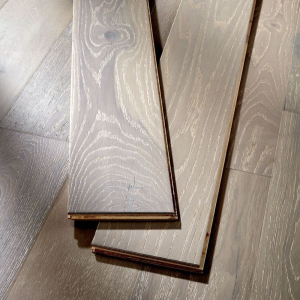
Real oak warmth with the stability to handle underfloor heating and changing temperatures. The most popular living-room choice, for good reason.

Solid Wood

The ultimate premium floor — solid oak or walnut you can sand and refinish for decades. Best in a stable, well-heated room.

Parquet

Turn the floor into the feature. Herringbone and chevron add timeless character that lifts the whole room.

Luxury Vinyl

All the wood look with none of the worry — warm, quiet underfoot and hard-wearing for busy family living.

Before you choose

What to consider in a living room

Everyday traffic

Sofas, kids, pets and visitors — choose a durable lacquered or oiled finish that shrugs off daily life.

Underfloor heating

Engineered boards and LVT are ideal over UFH; solid wood needs a stable, well-controlled room.

Comfort underfoot

This is where you relax — warmer, quieter floors like engineered wood and LVT feel best barefoot.

Flow and continuity

Open-plan? Run the same floor through to the kitchen or hall for a bigger, calmer feel.

Get it right

How to style your living room

1

Go wider, feel bigger

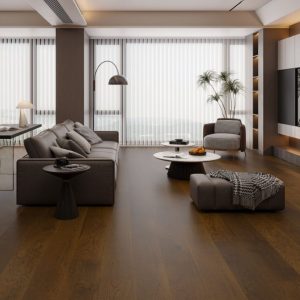
Wide planks make a living room feel more spacious and expensive. Narrow boards suit period homes.

2

Pick a marks-friendly tone

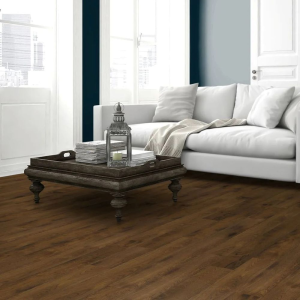
Warm mid-browns and natural oaks hide everyday dust and scratches far better than very dark or very pale floors.

3

Lay towards the light

Run planks towards the main window so the grain draws the eye down the room and catches the daylight.

4

Zone with rugs

A large rug under the sofa softens acoustics, protects high-wear spots and defines the seating area.

Common questions

Living Room flooring, answered

What's the best flooring for a living room?
Engineered wood is the all-round winner — real oak warmth, underfloor-heating friendly and hard-wearing. Solid wood is the premium upgrade; LVT and parquet are excellent alternatives depending on budget and style.
Can I have wood flooring with underfloor heating?
Yes — engineered wood is designed for it. Its cross-layered core stays stable as temperatures change, unlike most solid wood. LVT also performs brilliantly over UFH.
How much flooring should I order?
Measure your room's length by width for the area, then add 10% for cuts and waste (more for herringbone or diagonal lays). Every product page has a built-in calculator.
Which direction should the planks run?
Usually towards the main light source or along the longest wall — it makes the room feel longer and more open.
Do I need underlay?
For floating floors, yes — a quality underlay adds warmth, cushioning and sound insulation. Glue-down and nailed floors don't need it.