What is the best flooring for kitchens?
The best kitchen flooring depends on how you use the space, how much maintenance you want and what design direction you are aiming for. In most homes, the kitchen needs a floor that is durable, easy to clean and able to cope with moisture, dropped items and regular foot traffic.
That is why practical options such as porcelain tiles and LVT are so popular. They combine strong everyday performance with a wide choice of colours, finishes and premium looks. Laminate can also be a strong option in the right setting, while engineered wood suits kitchens where warmth and authenticity matter most.
If you are comparing wider home flooring choices too, you can also explore our flooring articles, insights & trends and flooring collections.
01
Prioritise practicality
Your kitchen floor needs to deal with spills, cleaning and regular daily use.
02Choose the right material
Each flooring type offers a different balance of water resistance, comfort and style.
03Match the overall look
The best kitchen floor performs well and complements cabinets, worktops and adjoining spaces.
Kitchen prioritiesWhat matters most when choosing kitchen flooring?
Kitchens place different demands on flooring than living rooms or bedrooms. They are busy, practical spaces where water, cooking activity and movement all play a role in everyday wear.
A strong kitchen floor should usually offer some combination of moisture resistance, durability, easy maintenance and visual consistency with the rest of the home. Comfort underfoot can also matter, especially in larger family kitchens where people spend long periods standing.
- Water resistance: important for spills, splashes and everyday kitchen use
- Easy cleaning: surfaces should be simple to wipe and maintain
- Durability: kitchens often see heavy foot traffic, moved chairs and dropped utensils
- Style compatibility: the floor should work with cabinetry, walls and adjoining rooms
- Comfort: some homeowners prefer a warmer or softer feel underfoot than tile provides
Comparison
Best kitchen flooring options compared
Several flooring types can work well in kitchens, but each one offers a different balance of water resistance, comfort, maintenance and overall design feel.
| Flooring type | Main strengths | Best for |
|---|---|---|
| Porcelain tiles | Waterproof, highly durable, low maintenance and excellent with underfloor heating | Busy kitchens, open-plan spaces and modern interiors |
| LVT flooring | Waterproof, practical, softer underfoot and available in realistic wood or stone looks | Family kitchens, multifunctional spaces and comfort-focused homes |
| Laminate flooring | Cost-effective, durable surface and attractive wood-look designs | Value-conscious kitchens with careful product selection |
| Engineered wood | Natural warmth, authentic beauty and premium character | Design-led kitchens where style is a major priority |
Porcelain tiles for kitchens
Porcelain tiles are one of the strongest kitchen flooring choices for homeowners who want maximum durability and water resistance. They are especially popular in modern kitchens, open-plan layouts and family homes where easy maintenance is a priority.
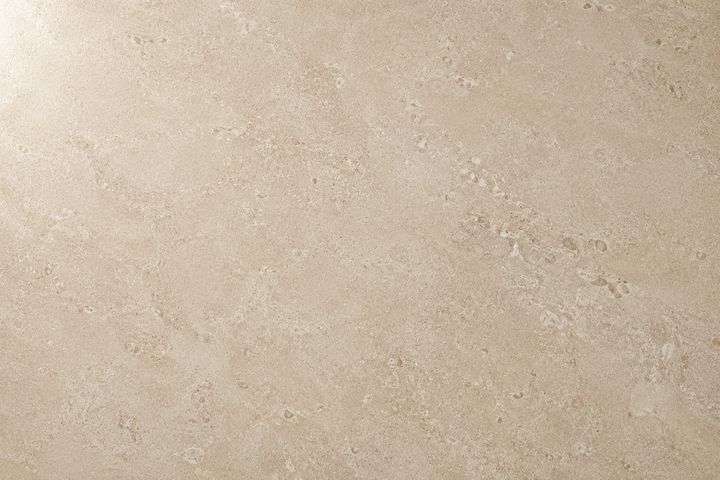
Because porcelain is dense, hard-wearing and highly resistant to moisture, it performs extremely well in busy environments. It also offers excellent design flexibility, from stone and concrete looks to warm natural-effect finishes.
Why porcelain works well in kitchens
- Fully waterproof and highly resistant to staining
- Very durable and well suited to high traffic
- Simple to clean and maintain
- Excellent option with underfloor heating
The main thing to consider is that porcelain can feel harder and cooler underfoot than some other flooring types. For many homeowners that is a worthwhile trade-off for the long-term practicality.
Option 2LVT flooring for kitchens
LVT, or luxury vinyl tile, is one of the best all-round flooring choices for kitchens. It offers strong water resistance, easy maintenance and a softer, warmer feel underfoot than tile.
This makes LVT particularly appealing in family homes and open-plan spaces where the kitchen connects directly to living and dining areas. It can help create a more seamless, comfortable and design-led feel across the whole floor plan.
Why LVT works well in kitchens
- Waterproof and easy to clean
- Comfortable underfoot compared with harder surfaces
- Available in highly realistic wood and stone looks
- Very practical for busy households
Laminate flooring for kitchens
Laminate flooring can work well in kitchens when the right product is chosen and installed properly. It is often selected by homeowners who want a wood-look floor at a more accessible price point.
Modern laminate options can offer good durability and an attractive finish, but kitchens do demand more from the floor than many other rooms. Water exposure and spills need to be considered carefully, so product specification matters.
When laminate makes sense in kitchens
- When you want a cost-effective wood-look style
- When the kitchen is used carefully and spills are managed promptly
- When the chosen product is designed with kitchen suitability in mind
Laminate can be a strong budget-conscious option, but it is usually chosen with a bit more caution than porcelain or LVT in high-moisture settings.
Option 4Engineered wood in kitchens
Engineered wood is often chosen in kitchens where design warmth and material authenticity are especially important. It creates a softer, more natural look than tile and can help a kitchen feel more connected to adjoining living areas.
It is most often used in design-led homes where the kitchen is treated as part of a larger interior scheme, rather than as a purely practical room. That said, wood-based flooring in kitchens does require more awareness around moisture and care than porcelain or LVT.
Why homeowners still choose engineered wood
- Beautiful natural character and warmth
- Premium appearance in open-plan kitchens
- Works well when continuity with living areas matters
If your priority is maximum practicality, LVT or porcelain is often easier to live with. If your priority is a warm, natural and more luxurious design finish, engineered wood can still be an excellent choice in the right kitchen.
Choosing wellHow to choose the best kitchen floor for your home
The right kitchen flooring comes down to the balance you want between durability, maintenance, comfort and appearance.
Choose porcelain if you want maximum durability
Porcelain is ideal if you want a highly robust, easy-care floor that performs extremely well over the long term.
Choose LVT if you want the best all-rounder
LVT is often the most balanced option for modern kitchens because it combines water resistance, comfort and style so effectively.
Choose laminate if budget matters most
Laminate can be a good option where you want a smart wood-look finish at a more accessible price point, provided the product is suitable for kitchen use.
Choose engineered wood if design warmth comes first
Engineered wood works best in kitchens where you want a more premium, natural and connected overall interior feel.
You can also link this article internally with your Articles, Insights & Trends, Case Studies and shop collections.
FAQsFrequently asked questions about kitchen flooring
What is the best type of flooring for kitchens?
For many homes, porcelain tiles and LVT are among the best kitchen flooring options because they offer strong water resistance, easy cleaning and long-term practicality.
Is LVT better than laminate for kitchens?
In many cases, yes. LVT is usually the more practical kitchen flooring option because it is waterproof and very easy to maintain.
Can engineered wood be used in kitchens?
Yes, it can, especially in design-led kitchens. However, it generally requires more care around moisture and maintenance than porcelain or LVT.
Are tiles still the best flooring for kitchens?
Tiles remain one of the strongest choices for kitchens, especially where durability and water resistance are the main priorities. That said, LVT is now also a leading option because it offers more softness and comfort underfoot.
Warm wood tones Best for homes that want a softer, more inviting and timeless feel with natural warmth, versatility and long-term design appeal. Cool grey floors Best for interiors with a cleaner, sharper and more architectural direction, especially where the wider scheme is modern and controlled. Most timeless choice In many homes, warm oak-inspired tones offer broader styling freedom and a more enduring result than cooler grey-led flooring palettes. Quick overviewWhat is the real difference between warm and cool flooring tones?
Flooring tone affects much more than colour alone. It shapes how spacious, welcoming, clean or architectural a room feels, and it also influences how your walls, furniture, fabrics and lighting come together.
Warm wood tones tend to create a softer and more natural mood, while cool grey floors often feel cleaner, sharper and more minimal. Neither is automatically better. The right choice depends on the type of home you want to create and how the room should feel every day.
In most homes, this is less about trend and more about atmosphere. Warm tones usually feel more timeless, while cooler greys often feel more style-led and contemporary.
Warm directionWhy warm wood tones remain such a strong flooring choice
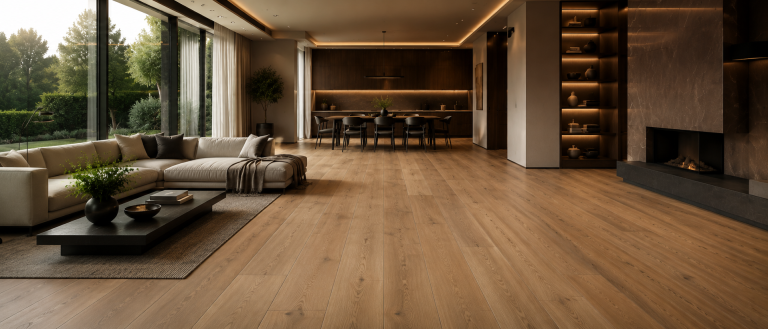
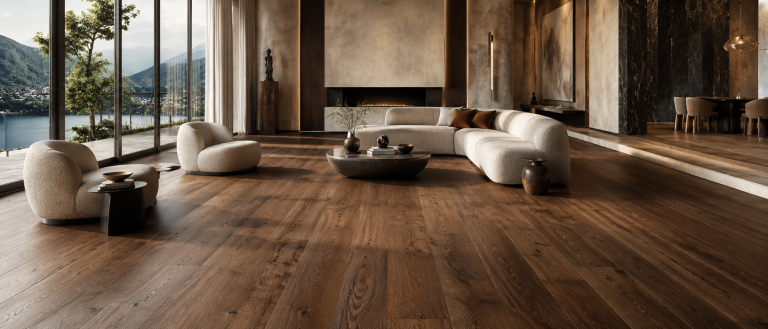
Warm wood floors usually sit within a palette of honey oak, golden beige, soft natural oak, caramel and gentle walnut-inspired shades. These tones bring more softness into a room and often make interiors feel more welcoming, lived-in and balanced.
They are especially effective in homes that want a timeless premium look without feeling cold or overly styled. Warm wood tones also tend to work beautifully with layered neutrals, earthy materials and softer interior palettes.
Warm wood tones bring softness, warmth and a more natural atmosphere into the room. Why it works- Makes interiors feel more inviting
- Pairs easily with warm neutrals
- Feels calm, premium and balanced
- Usually ages better visually over time
- Living rooms and bedrooms
- Family homes and open-plan spaces
- Scandinavian and soft contemporary interiors
- Projects aiming for timeless appeal
When cool grey floors make sense
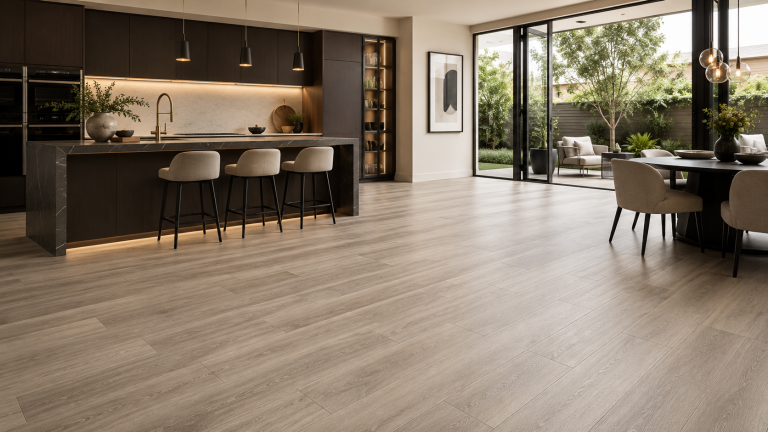
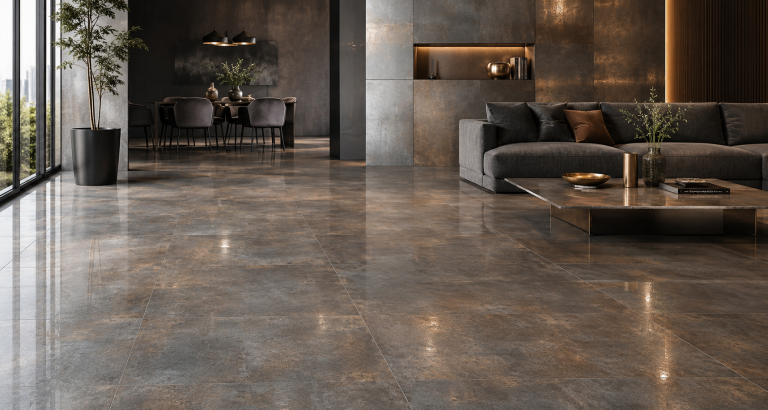
Cool grey floors usually sit in a palette of pale grey oak, ash-grey, silvered timber effects and cooler greige finishes. They can give a room a more structured and design-led identity, especially when paired with crisp whites, black accents, concrete looks or cooler stone surfaces.
In the right interior, cool grey flooring can feel clean, sophisticated and sharply modern. The key is that the wider scheme needs to support it. In rooms with weak natural light or without enough visual warmth elsewhere, very cool floors can sometimes feel flatter or slightly colder.
Cool grey floors are strongest in clean-lined, minimal interiors where the wider palette supports a cooler look. Why it works- Creates a crisp modern look
- Feels clean and architectural
- Works with monochrome palettes
- Can sharpen contemporary spaces
- Minimal interiors and apartments
- Contemporary kitchens
- Urban or industrial-style homes
- Rooms with strong natural light
Warm wood tones vs cool grey floors – direct comparison
Both directions can work beautifully, but they create different moods and suit different design goals. This comparison gives a clearer picture of where each tone performs best.
| Category | Warm wood tones | Cool grey floors | Best choice |
|---|---|---|---|
| Atmosphere | Warm, welcoming and natural | Clean, crisp and more minimal | Depends on mood |
| Timelessness | Usually more enduring across trends | Can feel more trend-led in some schemes | Warm wood tones |
| Styling flexibility | Works with more palettes and materials | Needs a more controlled wider scheme | Warm wood tones |
| Modern look | Modern, but softer and more natural | Sharper and more architectural | Cool grey floors |
| Rooms with colder light | Helps balance the space visually | Can feel flatter or cooler | Warm wood tones |
| Minimal interiors | Adds softness to the scheme | Works strongly in monochrome settings | Cool grey floors |
| Long-term comfort | Often easier to live with visually | Can feel more specific in character | Warm wood tones |
How each flooring tone changes the feeling of a room
Warm wood tones
Timeless warmthWarm wood floors tend to soften a space and make it feel more comfortable. They usually create a more approachable, layered and lived-in atmosphere, which is why they are so often chosen for family homes and long-term interiors.
Even in modern spaces, warm timber tones can still feel highly contemporary because they add balance rather than visual harshness.
Cool grey floors
Modern edgeCool grey flooring usually makes a room feel more structured and restrained. It can create a sleek design statement, especially in interiors with black accents, white walls, cleaner lines and cooler materials.
The look can be striking, but it often needs stronger styling discipline to avoid the room feeling too cold or visually flat.
LightingLighting, room warmth and visual balance
Lighting plays a major role in how a flooring tone reads. A shade that looks beautifully balanced in one room can feel very different in another depending on natural light, wall tone and the time of day.
Warm wood tones often glow more naturally in daylight and are especially helpful in north-facing or cooler rooms. Cool grey floors can look elegant in bright spaces, but in darker rooms they may lean a little flat unless the rest of the scheme adds warmth back in.
In rooms with colder light, warmer flooring tones often create a softer and more balanced overall feel.- Choose warm wood tones when a room already feels cool, shaded or visually flat.
- Choose cool grey floors when the space is bright, well-lit and intentionally modern.
- Always consider the flooring tone together with your walls, cabinetry and key furniture finishes.
Which flooring tone suits different interior styles?
Warm wood tones usually fit more naturally into timeless, Scandinavian, soft contemporary and classic-modern interiors. They also work beautifully with linen textures, stone details, greige walls and softer tonal layering.
Cool grey floors are usually strongest in minimalist, monochrome, urban and industrial-inspired interiors where cleaner contrasts and a cooler palette are already part of the design language.
Warm timber tones work beautifully in softer contemporary and natural interiors. Cool grey floors make the strongest impact when the whole room already supports a sharper design direction.If you want more styling freedom over time, warm wood tones are generally the safer and more adaptable choice.
Best roomsWhere each flooring tone tends to work best
The best flooring tone often depends on room function as well as style. Some spaces benefit from warmth and softness, while others can handle a cooler, more architectural finish.
Living rooms
Warm woodUsually the stronger choice when you want the room to feel relaxed, welcoming and more timeless.
Bedrooms
Warm woodWarm tones often feel softer and more restful, which suits quieter, comfort-led rooms especially well.
Minimal kitchens
Cool greyGrey floors can work beautifully in cleaner kitchen schemes with sharper lines and cooler finishes.
Open-plan homes
Warm woodWarm timber tones usually provide the most balanced and flexible backdrop across larger connected spaces.
Urban apartments
Cool greyWorks well where the overall design brief is more architectural, monochrome or contemporary.
Family homes
Warm woodOften the better long-term choice because it feels more forgiving, versatile and easy to live with.
Final verdictSo, should you choose warm wood tones or cool grey floors?
Choose warm wood tones if you want a floor that feels more inviting, more flexible and more timeless. It is usually the easier choice for long-term interiors and for homes that want warmth without losing a premium feel.
Choose cool grey floors if you want a sharper, cleaner and more design-led look, especially in brighter spaces with a modern or minimal interior language.
For many homes, warm oak-inspired flooring remains the stronger overall choice because it creates a softer, richer and more enduring result.
Related guidesExplore more flooring advice
Support this article with related buying and style guides so customers can compare materials, rooms and design directions more clearly.
Laminate vs LVT Compare performance, practicality and room suitability side by side. Best Flooring for Bathrooms Explore which floors perform best in moisture-prone rooms. Best Flooring for Kitchens See which flooring types suit busy kitchens and open-plan spaces. Herringbone Flooring Ideas Find inspiration for more premium flooring layouts and design-led schemes. FAQsFrequently asked questions about warm vs cool flooring tones
Are warm wood tones more timeless than cool grey floors?
In many homes, yes. Warm wood tones tend to adapt more easily across changing furniture styles, wall colours and long-term interior updates.
Do cool grey floors make a room feel colder?
They can, especially in darker spaces or rooms that already have cooler light. The overall result depends on how the wider scheme is balanced.
Which flooring tone is easier to style?
Warm wood tones are usually easier to style because they pair naturally with a wider range of palettes, textures and materials.
Can warm wood floors still look modern?
Absolutely. In fact, many premium modern interiors now prefer softer natural oak tones because they make contemporary spaces feel more refined and less stark.
Need help choosing the right flooring tone?
At Homes & Floors, we help you compare tones, finishes and flooring styles more clearly so you can choose a floor that works beautifully with your space, your light and your interior direction.
Explore our flooring collections Get expert advice