Is Herringbone Flooring Right for Your Home?
A buying-focused article covering style impact, layout considerations, suitability and overall value.
Browse our editorial collections and find your perfect floor.
Browse Collections
A buying-focused article covering style impact, layout considerations, suitability and overall value.
A buying-focused article covering style impact, layout considerations, suitability and overall value. The goal is simple: understand the decision, compare the right options and move into a practical next step without endless choices.
Herringbone flooring has become one of the most desirable flooring styles for homeowners who want a more elevated, design-led interior. The pattern feels timeless, high-end and more visually distinctive than standard straight plank layouts.
But while herringbone looks beautiful, it is not automatically the right fit for every home. The best choice depends on your room sizes, design style, day-to-day lifestyle, installation budget and the material you choose.
If you are still comparing broader flooring options, you can also explore our wider flooring articles, insights & trends and flooring collections for more inspiration.
01Herringbone creates a much stronger design statement than standard plank flooring.
02Some spaces benefit more from the pattern, especially hallways, living areas and feature rooms.
03Engineered wood, laminate and LVT each offer different benefits depending on use and budget.
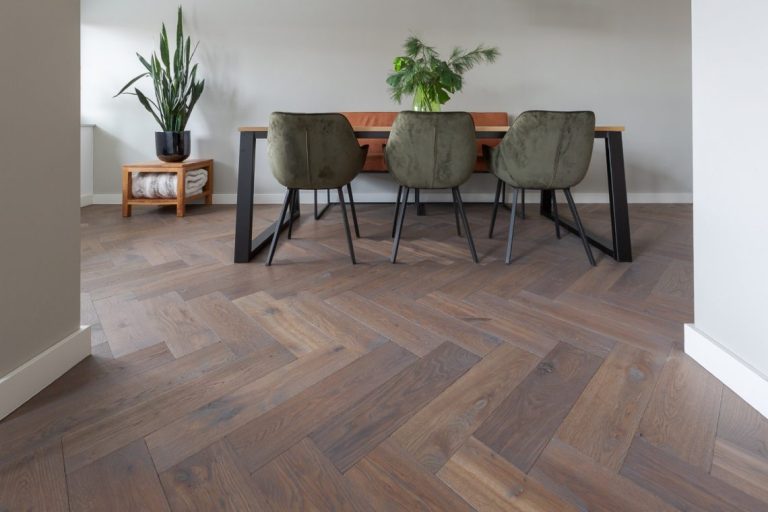
The patternHerringbone flooring is a parquet layout made from rectangular boards or tiles laid in a broken zigzag pattern. Unlike straight plank flooring, the arrangement creates more rhythm, direction and visual depth across the floor.
It is one of the most recognisable flooring patterns in interior design and is often associated with boutique hotels, classic townhouses and premium modern homes. That is exactly why so many homeowners choose it when they want their floor to feel like a feature rather than just a surface.
Advantages
The biggest strength of herringbone flooring is that it combines classic character with contemporary elegance. It can make even a relatively simple room feel more bespoke.
Herringbone instantly feels more refined than a standard floor layout. If you are aiming for a polished look, it can elevate living rooms, dining spaces, hallways and open-plan areas very effectively.
Because the pattern guides the eye across the room, it can add a sense of flow and make narrow or plain spaces feel more interesting. Hallways in particular often benefit from this.
One reason herringbone remains so popular is its versatility. It can work beautifully with natural oak tones, contemporary neutrals, darker wood looks and even modern resilient flooring designs.
Although herringbone flooring offers strong visual appeal, it is not always the most practical option for every project. Compared with standard plank flooring, it typically requires more planning, more precise installation and often a higher total budget.
A herringbone pattern takes more skill and care to install correctly. That often means higher labour costs and more time on site, especially with real wood products or large open-plan spaces.
Even if the product itself is competitively priced, the full project cost can rise because of added fitting complexity, waste allowance and preparation work.
In very small rooms or already busy interiors, a patterned floor can feel more dominant than a standard straight plank. That is not necessarily a downside, but it does mean the rest of the room should feel balanced.
Room suitability
Herringbone flooring is especially effective in spaces where the floor is visible and can play a bigger role in the overall design. It tends to work best in rooms where you want the flooring to feel intentional and decorative, not purely functional.
For more broader room-by-room planning ideas, take a look at our flooring advice articles and flooring case studies.
Material guideThe right material makes all the difference. Some homeowners want the authenticity and premium feel of real wood, while others need a more practical, low-maintenance option for busy households, kitchens or everyday wear.
| Herringbone type | Main strengths | Best for |
|---|---|---|
| Engineered wood herringbone | Natural beauty, premium feel, authentic grain and timeless long-term appeal | Living rooms, dining spaces, hallways and feature areas |
| Laminate herringbone | More budget-friendly, durable surface and easier everyday maintenance | Busy family homes, bedrooms and value-conscious renovations |
| LVT herringbone | Waterproof, resilient, softer underfoot and highly practical for modern living | Kitchens, bathrooms, utility areas and high-traffic spaces |
If you are comparing flooring types more generally, you can browse our full flooring collections or read more in our insights & trends section.
This is often the first choice for homeowners who want the most authentic and premium result. It brings natural warmth and texture, and it works especially well in elegant living spaces.
Laminate offers a similar decorative look at a more accessible price point. It can be a smart option where practicality, durability and easier maintenance matter more than full natural material authenticity.
Luxury vinyl tile is one of the most practical ways to get the herringbone look in kitchens, bathrooms and busy areas. It offers strong moisture resistance and can be easier to live with day to day.
Value
In many homes, yes. Herringbone flooring often costs more than a standard installation, but it also delivers more visual value. If flooring is one of the main features of the room, the upgrade can make the whole space feel more premium.
It is particularly worthwhile when you are renovating a key living area, refreshing a hallway or creating a more elevated open-plan interior. The pattern adds character that a plain floor simply does not provide.
Browse more articles, open expert guides, view real project inspiration or jump straight into the most relevant collection pages.
ArticlesExplore more flooring comparisons, buying guides and room-specific advice.GuidesReinforce buying confidence with fitting, care, technical and warranty guidance.Case studiesShow how flooring choices translate into finished spaces and real interiors.Shop collectionsMove from inspiration into the relevant category page with a clearer commercial next click. FAQsIt can help create more visual movement and depth, which often makes hallways and smaller spaces feel more dynamic. The effect depends on the room shape, board size and colour choice.
Usually yes. The installation is typically more complex and time-intensive, which often increases labour costs even if the product price itself is similar.
LVT herringbone is often one of the best choices for kitchens because it is waterproof, durable and easy to maintain. Some laminate options may also work well depending on the product specification.
For homeowners who want a premium, authentic and timeless look, engineered wood herringbone is often worth the investment, especially in living rooms, hallways and dining spaces.
Best for dry living spaces Laminate is often the stronger choice for bedrooms, lounges and design-led spaces where warmth, value and a crisp wood-look finish matter most. Best for wet & busy areas LVT stands out in kitchens, bathrooms, hallways and family homes thanks to its waterproof structure, durability and lower-maintenance performance. Best overall strategy Many homes benefit from using laminate in dry rooms and LVT in practical zones, creating a cleaner balance between design, function and budget. Quick answerIf you want the fastest answer, laminate usually suits dry living spaces where comfort, value and a refined wood look are the priority. LVT is typically the better fit for kitchens, bathrooms, hallways and busier households where water resistance and durability matter more.
The right decision depends less on trend and more on how the room is used day to day. That is why the best homes often do not choose one material for everything.
Choose laminateBest for living rooms, bedrooms and home offices where you want a warmer feel, a realistic timber look and a more budget-conscious solution.
Choose LVTBest for bathrooms, kitchens, entrances and high-traffic spaces where waterproof performance, practical cleaning and daily resilience are essential.
In many homes, the strongest result is a combination: laminate in dry comfort-led areas, LVT in harder-working spaces.
Material guideLaminate flooring is a layered floor covering designed to replicate the look of wood with a durable decorative surface and a high-density core. Modern laminate collections have become much more refined, offering realistic grain detail, cleaner edges and a sharper overall finish than many people expect.
It is a popular choice for homeowners who want the warmth of a timber look without stepping into a higher wood flooring price bracket.
Laminate flooring is a strong choice for dry living spaces where warmth, value and a refined wood-look finish matter most.
Main advantages
LVT, or luxury vinyl tile, is a resilient flooring material designed for practical performance. It is available in plank and tile formats and can closely mimic wood or stone while offering stronger resistance to water, wear and everyday impact.
In modern homes, LVT is especially popular because it can bridge the gap between style and practicality. It looks refined enough for design-led interiors, but performs well in rooms that need more than just visual appeal.
LVT flooring combines a premium visual finish with waterproof, low-maintenance everyday performance.
Main advantages
Both floors can look premium, but they behave differently in everyday use. The table below highlights where each material performs best and where compromises start to appear.
| Category | Laminate | LVT | Best choice |
|---|---|---|---|
| Water resistance | Usually splash-resistant, but not fully waterproof | Fully waterproof in most quality collections | LVT |
| Durability in busy homes | Strong surface, but more vulnerable to moisture issues | Excellent for high traffic, pets and everyday wear | LVT |
| Warmth & visual softness | Often feels warmer and more classic in dry rooms | Softer underfoot, but typically more practical in feel | Depends on preference |
| DIY-friendly installation | Usually very straightforward with click systems | Can be simple, though some systems require more prep | Laminate |
| Bathrooms & wet spaces | Not recommended for most wet rooms | Excellent fit for moisture-prone areas | LVT |
| Upfront budget | Often lower initial cost | Can cost more, especially in premium ranges | Laminate |
| Long-term practicality | Works well in the right room, but less flexible overall | Broader room suitability and easier everyday resilience | LVT |
Laminate often appeals more in spaces where atmosphere matters. It can feel crisp, clean and architectural, especially in wide-plank oak looks and lighter natural tones.
It tends to make the most sense in rooms where the floor stays dry and where the design brief is more about comfort and style than waterproof performance.
LVT is stronger when the room has to work harder. It deals better with spills, frequent cleaning, muddy shoes, pets and general household wear, which makes it one of the most versatile options available.
In premium collections, LVT no longer feels like a compromise. It can deliver a sophisticated visual finish while keeping maintenance simpler.
Room-by-room adviceRoom suitability is usually the deciding factor. A floor that feels perfect in a bedroom may be the wrong choice in a bathroom or a family kitchen. Matching the material to the room is what makes the result feel considered rather than generic.
The best flooring decision usually comes from matching each material to the way a specific room is used every day.
Great for design-led living spaces where a warm wood look and strong value matter more than waterproofing.
Better suited to spills, daily cleaning and busier household routines, especially in open-plan homes.
Waterproof performance makes LVT the clearer and safer option for moisture-prone spaces.
Works well for quieter, comfort-led rooms where warmth, softness in design and a clean finish take priority.
More resilient to dirt, shoes, moisture and constant foot traffic at the entrance of the home.
A strong option where visual warmth and a refined work-from-home setting matter more than waterproof protection.
Design perspectiveFrom a design point of view, both laminate and LVT can look highly refined. The difference is usually not whether they can look good, but what kind of mood they create.
Laminate often delivers a sharper and slightly more classic wood-floor impression in dry spaces. LVT feels more flexible from a practical design perspective, especially when you want continuity across kitchens, entrances and bathrooms without worrying about moisture.
Both materials can look premium, but laminate often feels warmer while LVT usually delivers greater design flexibility across practical spaces.
Laminate often looks attractive from an upfront budget perspective, especially when covering larger areas. LVT can cost more initially, but the added durability and wider room suitability can make it the better long-term investment in the right project.
Maintenance is another important difference. Both floors are relatively easy to clean, but LVT is less stressful in daily life because it is more tolerant of spills and moisture exposure.
Laminate valueStrong option when you want the look of wood, a lower starting price and good performance in dry rooms with normal household use.
LVT valueStrong option when you want broader room flexibility, easier upkeep and more peace of mind in everyday family living.
If you are renovating for the long term, think beyond the cost per square metre and consider how the floor will actually perform over the next 10 to 15 years.
Final verdictChoose laminate if your priority is a warm, natural-looking floor for dry living spaces at a more accessible price point. It is ideal where atmosphere, comfort and value matter most.
Choose LVT if you want a more practical, waterproof and resilient floor that works across kitchens, bathrooms, entrances and busier areas of the home.
For many interiors, the most premium answer is not laminate or LVT across the entire house, but a combination that lets each material perform where it makes the most sense.
Related guidesStrengthen the decision-making journey with supporting guides that help customers compare room suitability, product types and style direction in more detail.
Best Flooring for Kitchens Explore the most practical and design-friendly options for busy kitchen spaces. Best Flooring for Bathrooms See which floors perform best in moisture-prone rooms without sacrificing style. Laminate Flooring Buying Guide Understand finishes, construction, room suitability and what to compare before buying. Luxury Vinyl Flooring Guide Learn more about LVT, room applications, formats and long-term performance. FAQsNot overall. Laminate is often better for dry living spaces where warmth, value and wood-look design are the priority, while LVT is usually better for waterproof performance and busier areas.
LVT is usually the better kitchen choice because it handles spills, frequent cleaning and everyday traffic more confidently than standard laminate.
In most cases, it is not the recommended option. Bathrooms need a floor with stronger moisture protection, which makes LVT the safer and more practical choice.
Yes, especially in premium collections. The visual gap has narrowed significantly, and many high-quality LVT ranges now offer highly refined wood and stone effects.
At Homes & Floors, we help you compare flooring collections more clearly so you can choose the right material for each room, your lifestyle and your design direction.
Explore our flooring collections Get expert adviceFirst the decision filters that matter — then the routes where each choice makes sense.
Order samples in your light, compare matching collections or speak to our team for a tailored direction.
Expert insights
Explore our resource hubs for flooring guides, design articles, real projects and trade support.
In-depth guides to help you choose, install and maintain your perfect floor.
Explore
See real project examples, transformations and customer flooring stories.
Explore
Trade pricing, project guidance and premium UK supply for designers and contractors.
Explore