Overview
A premium overview of the trend
Waterproof vinyl keeps growing because it solves a real-life need without forcing buyers to compromise too heavily on style. That balance of design and performance is why search demand stays strong.
Best when you want a practical floor that still feels warm, considered and suitable for modern connected interiors.
Start with Luxury Rigid Vinyl, Glue Down Lvt, then compare finishes and order samples before committing to the final look.
The strongest trend pages do more than define the look. They help shoppers understand where the style works, which materials translate it well and how to move from inspiration into product selection.
Primary topic cluster
CARE
Commercial categories linked
2
FAQ entry points
4
Why this trend matters now
Buyers want style with less compromise
The strongest flooring trends now balance aesthetic warmth, visual character and a more realistic day-to-day performance requirement. Buyers want a floor that photographs well, feels right in the room and still stands up to normal life.
Room fit matters early
The right version depends on room use, light levels, cleaning needs and whether the floor should feel calm, warm or statement-led.
A clear next step helps
A trend becomes useful when it points buyers toward the right collection, finish comparison and sample route instead of leaving them with inspiration only.
Tone and mood
The overall colour direction should support the atmosphere of the room, whether that means warmth, softness, lightness, drama or a calmer neutral base. It should also work with wall colour, cabinetry, natural light and furniture tone.
Surface detail
Grain, texture, edge definition and finish sheen all affect whether the look reads as premium, natural, minimal or more decorative. These details are often what separate a considered floor from a generic one.
Scale and rhythm
Plank width, tile format and pattern layout influence how expansive, traditional, architectural or statement-led the finished space feels. Scale should be chosen around room size, sightlines and how much visual movement the space can handle.
Room Fit
Where this look works best
Choose the room route first, then narrow the finish, format and product type. This keeps the trend inspiring, but still practical for real homes.
Best everyday use
Living rooms and open-plan spaces
This is often where visual continuity, warmth and overall design impact matter most, especially when the floor anchors the whole interior scheme.
Compare suitable collections →
Best visual impact
Kitchens and daily-use family areas
The trend works best here when the material choice supports easy maintenance, practical resilience and a finish that still feels premium.
Compare suitable collections →
Best safe choice
Smaller rooms or low-light projects
Careful control of tone, format and surface detail keeps the look intentional rather than visually heavy or over-styled.
Compare suitable collections →
Best statement route
Larger rooms and statement-led projects
Larger spaces can usually carry more pattern, wider boards, richer colour depth or bolder texture without feeling crowded.
Compare suitable collections →
Best next step
Compare the closest collection route, then order samples to check tone and texture in your own lighting.
Explore matching collections
Decision Compass
How to choose the right version for your home
This is where the inspiration becomes practical: room use, light, material construction, finish, maintenance expectations and budget all need to work together.
Design direction
- Colours that support the trend: Layer the floor with warm neutrals, softer whites, tonal stone shades or muted greens and taupes when you want the scheme to feel grounded and design-aware.
- Textures that lift the finish: Natural linens, brushed metals, boucle, soft wool textures and tactile cabinetry can all help the floor feel like part of a fully resolved interior rather than an isolated surface choice.
- How to keep it balanced: Use the floor as the base note. Let wall colour, furniture scale and joinery support it rather than competing with it too aggressively.
- Timeless styling route: The more timeless versions of this trend usually avoid extremes and instead focus on balanced warmth, proportion and materials that age well visually.
Specification checks
- Practical upside: This trend is commercially strong because it can sit at the intersection of aspiration and practicality, making it easier to route users into real product categories and samples.
- What to check before buying: Always check room type, light levels, cleaning expectations, subfloor suitability, underfloor heating compatibility and how the finish behaves next to existing joinery or paint colours.
- Common mistake: A common mistake is choosing the trend in principle but not matching the material, plank or tile format, finish level and room scale to the actual project.
- Long-term appeal: The safest long-term versions of any trend are the ones that combine a clear aesthetic direction with a finish and specification that still makes sense after the novelty wears off.
| Decision point |
Direction A |
Direction B |
| Look and mood |
More design-ledStronger visual personality, better suited to statement interiors and premium editorial styling. |
More practicalEasier everyday performance, family-friendly upkeep and a safer all-round specification route. |
| Room suitability |
Smaller or darker roomsUsually benefit from balanced texture, calmer pattern and lighter warmth to avoid visual heaviness. |
Larger or brighter roomsCan handle bolder character, deeper tone, larger format and more confident surface detail. |
| Buyer type |
Timeless-firstIdeal for buyers wanting long-term flexibility, wider appeal and lower styling risk. |
Impact-firstBest for buyers wanting a stronger statement and a clearly intentional interior direction. |
Visual Inspiration
Image-rich inspiration and contextual visual cues
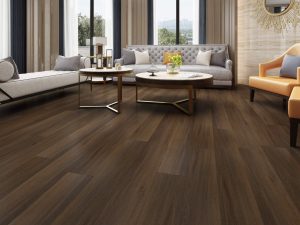
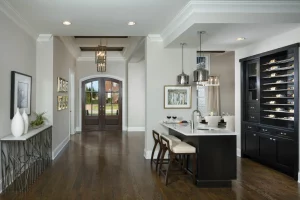
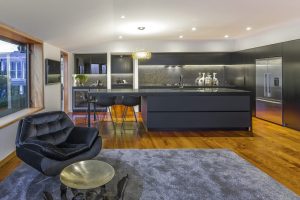
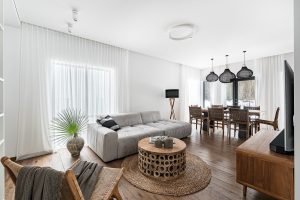
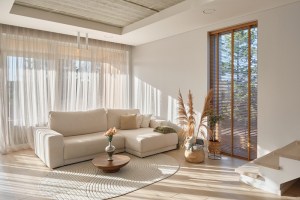
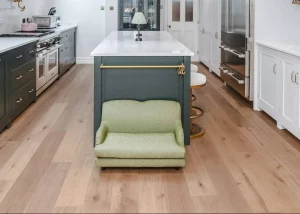
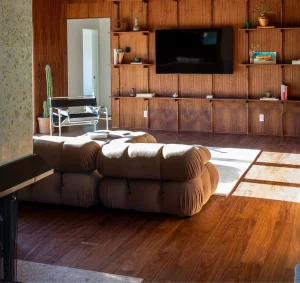
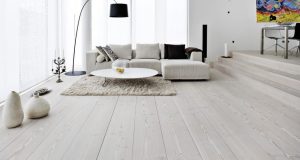
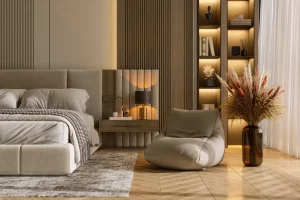
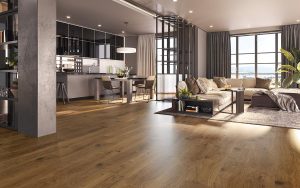
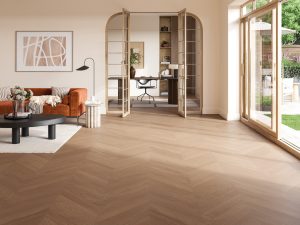
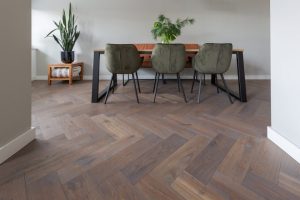
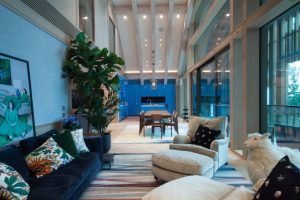
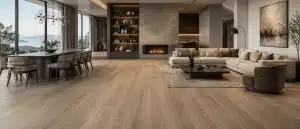
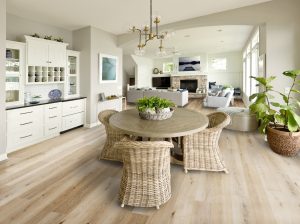
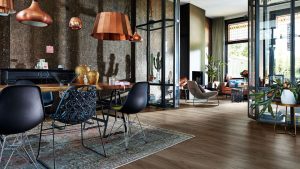
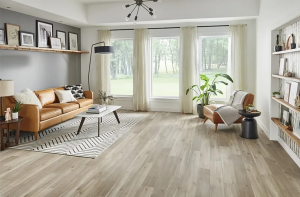
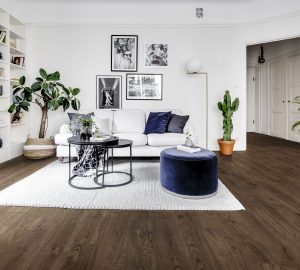
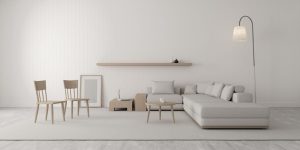
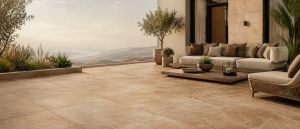
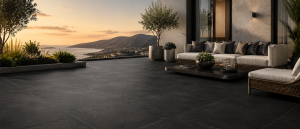
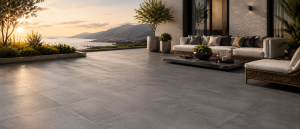
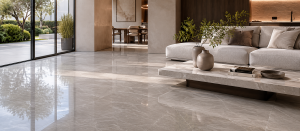
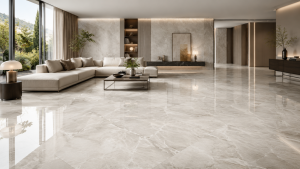
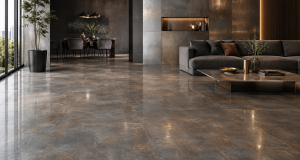
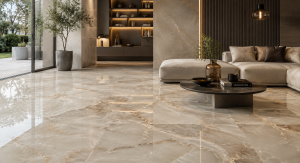
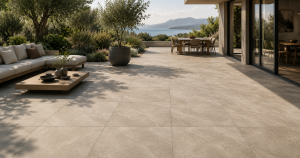
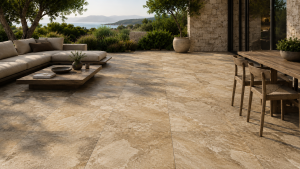
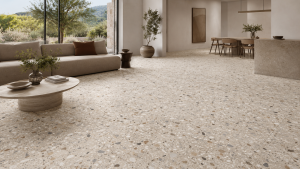
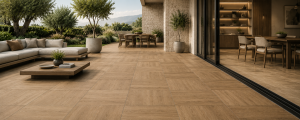
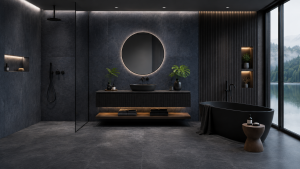
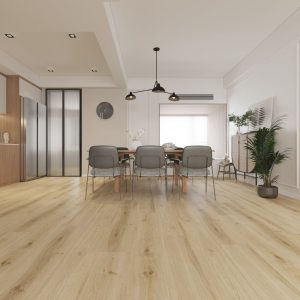
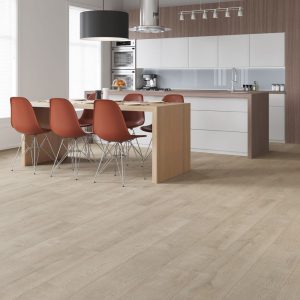
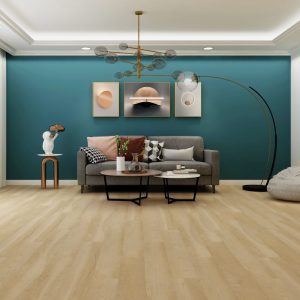
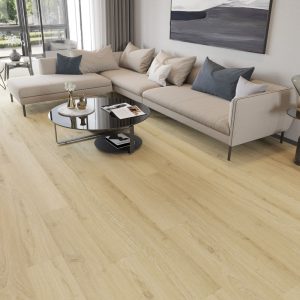
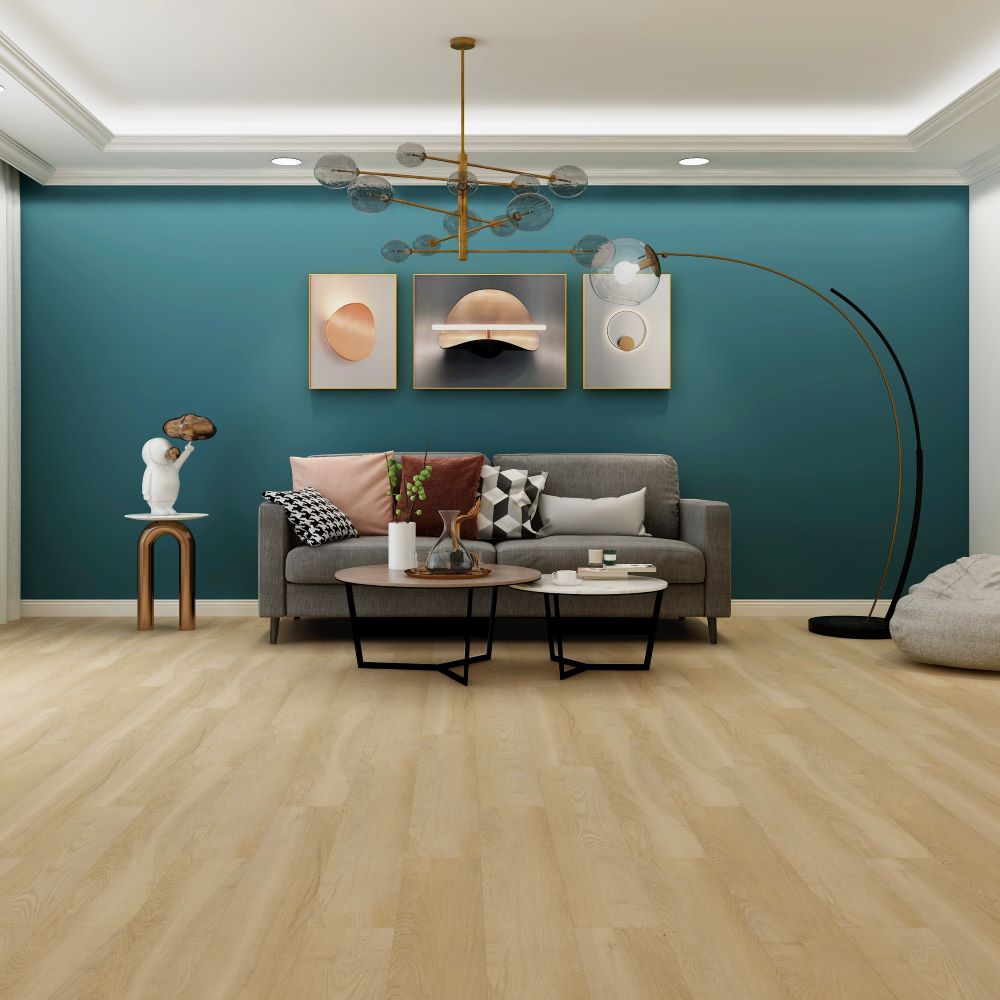
Use these room scenes to compare mood, scale, finish direction and the type of collection that best fits the look.
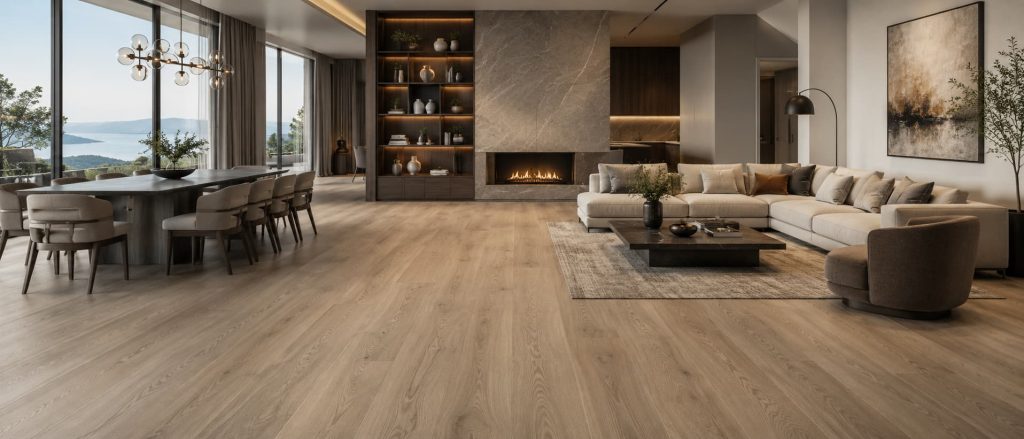
Rigid core
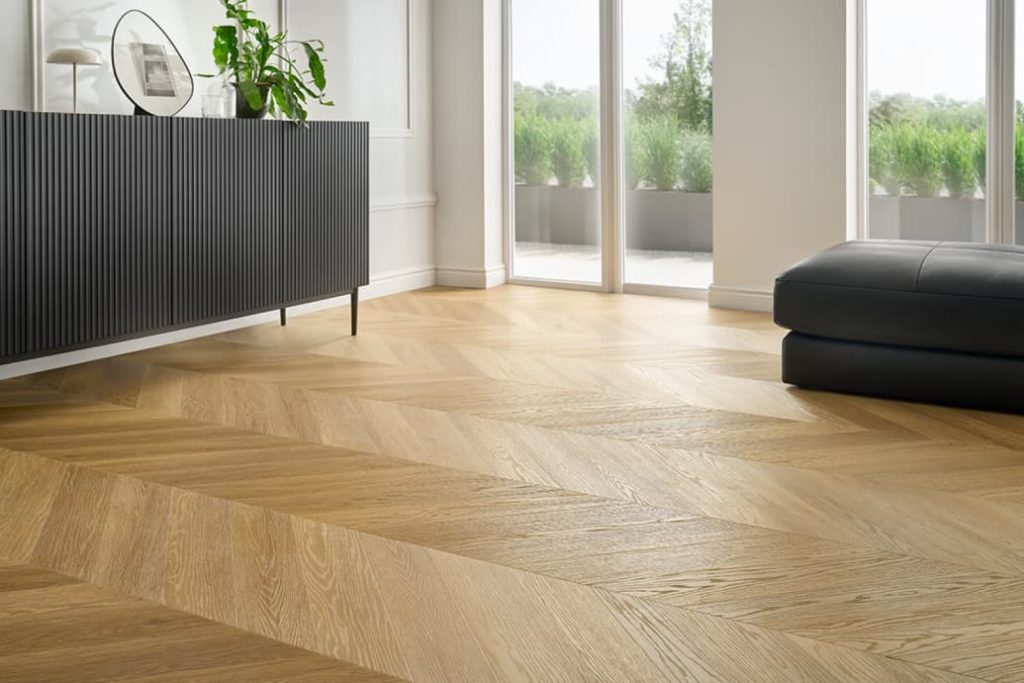
Easy-care
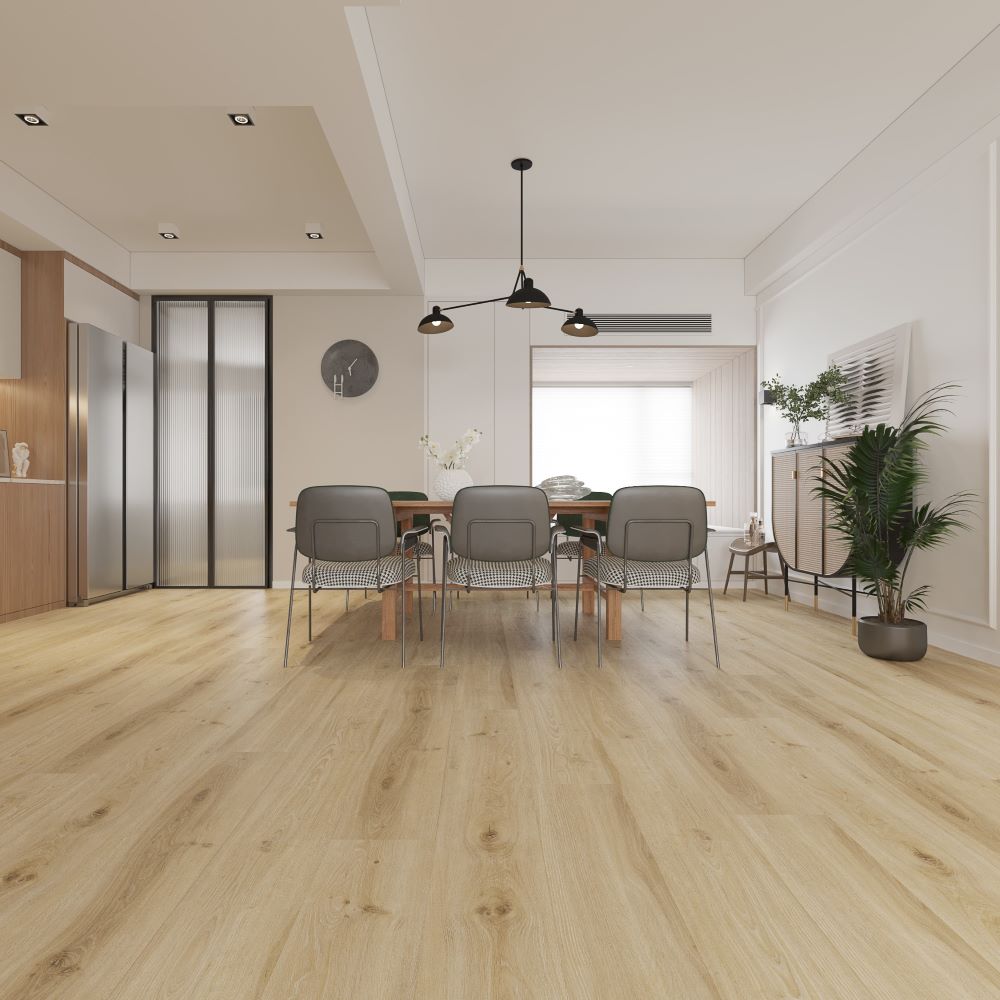
Modern texture
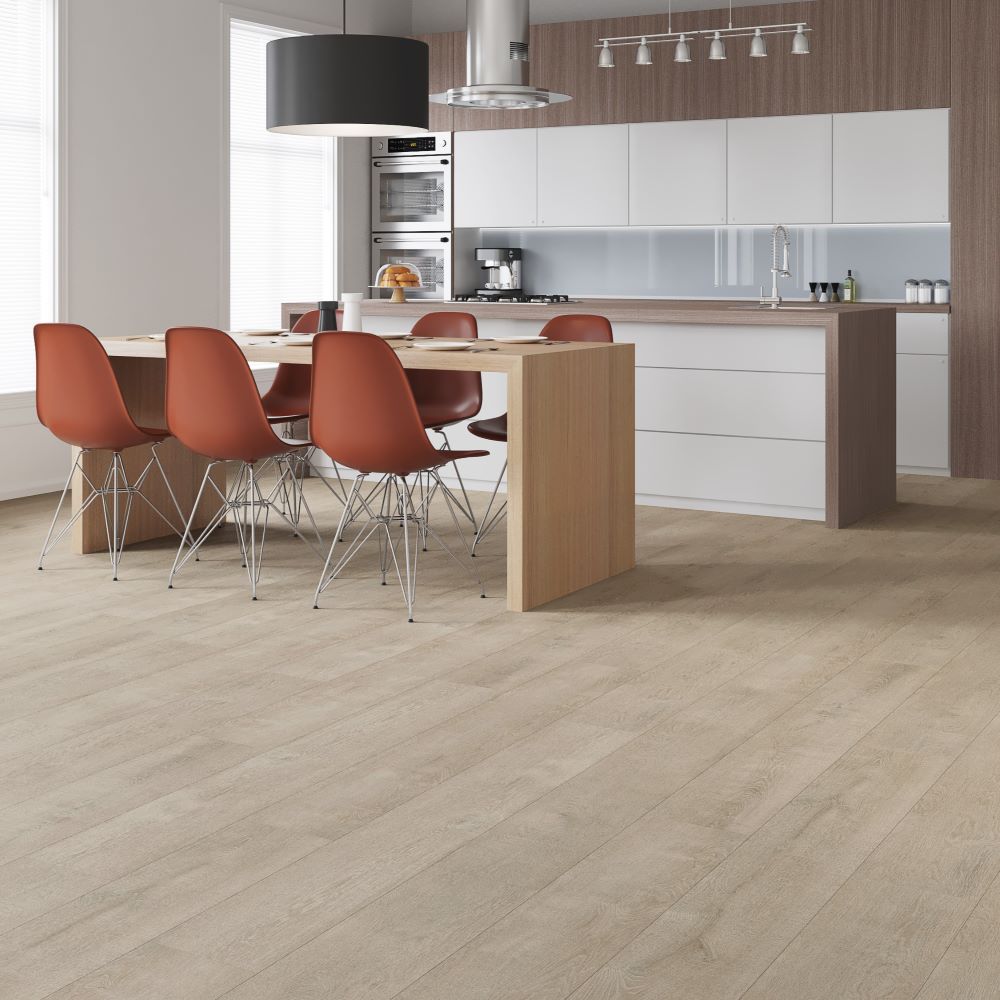
Wood-look detail
Busy homes
Shop Discovery
Waterproof vinyl collections
Link heavily into rigid vinyl, glue-down LVT and waterproof best sellers.
Category discovery
Start with the closest collection route, then narrow the final finish with product comparisons and samples.
Selected products
Use these product picks as the next step once the material direction is clear.
FAQ
Frequently asked questions
Natural FAQs help the page cover comparison intent, practical concerns and buying-stage questions while still supporting FAQ schema.
Why is Waterproof Vinyl Flooring Trends getting so much attention?
Waterproof vinyl flooring trends continue to grow as buyers look for practical surfaces that still deliver strong wood-look and stone-look design appeal. Buyers increasingly want flooring that feels both design-led and practical, which is why this direction keeps appearing across category, inspiration and decision-stage searches.
Which flooring materials work best for this trend?
The strongest routes are the linked categories and curated products on this page, because they connect the design direction to surfaces that are actually practical for everyday use.
Is this trend a short-term look or does it have lasting appeal?
The most successful versions of this trend lean on timeless materials, balanced colour, practical finishes and room-appropriate choices, which makes it more durable than a purely fashion-led look.
Should I order samples before choosing a floor in this style?
Yes. Samples help you judge colour warmth, texture, plank or tile scale and how the finish behaves in your own lighting before you commit to a full room or whole-home project.