










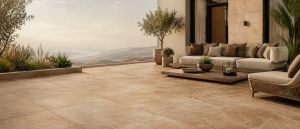
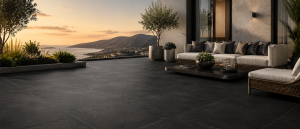
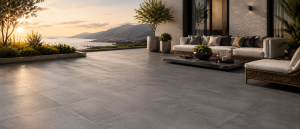
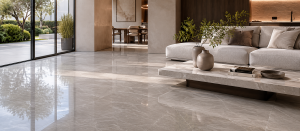
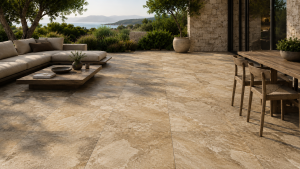
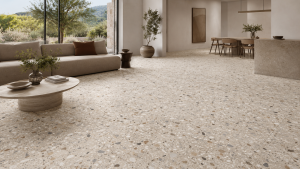
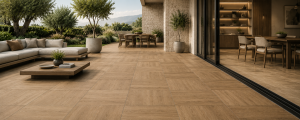

Remove grit early
Dust and grit act like sandpaper. Regular dry cleaning with a vacuum or soft broom prevents
micro-scratches and keeps surfaces looking new.

Browse our editorial collections and find your perfect floor.
Browse Collections
Learn how to care for porcelain tiles and wood flooring – from simple daily routines to long-term
protection, so your floors stay beautiful for years to come.
A high-quality floor is an investment in your home – and with the right care it will reward you with
comfort, beauty and reliability for many years. The good news: most modern floors are easier to look
after than ever before.
This guide shows you how to clean and protect different types of flooring step by step, and which
products to avoid. It covers everyday routines, deeper maintenance and what to do when something
goes wrong.
Daily care
Deep cleaning
Long-term protection

Flooring care does not have to be complicated. Focus on these three principles and you are already
ahead of most cleaning routines.
Dust and grit act like sandpaper. Regular dry cleaning with a vacuum or soft broom prevents
micro-scratches and keeps surfaces looking new.
Mild, pH-balanced cleaners are usually best. Avoid aggressive chemicals and steam on sensitive
materials such as wood and laminate.
Entrance mats, felt pads and furniture glides dramatically reduce wear in busy zones and under
chairs and tables.
A simple daily routine makes more difference than intensive cleaning once in a while. The aim is
to remove loose dirt before it can mark the surface.
For most floors, a soft broom, microfibre mop or vacuum cleaner with hard floor setting
is ideal. Focus on entrance areas, kitchens and zones where people regularly walk with outdoor shoes.
Tip: Small habits such as taking shoes off at the door and using felt pads under
chairs dramatically extend the life of your floor.

Porcelain tiles are extremely robust and almost maintenance-free – perfect for kitchens, hallways
and bathrooms. The key is to keep grout and surface free from residue.
For everyday cleaning, a slightly damp microfibre mop with a neutral cleaner is
usually enough. Avoid waxes and polishes, as they can leave a dull film on the surface.
Deep clean tip: If tiles look cloudy, it is often detergent residue. Clean once
with fresh warm water only to remove build-up.
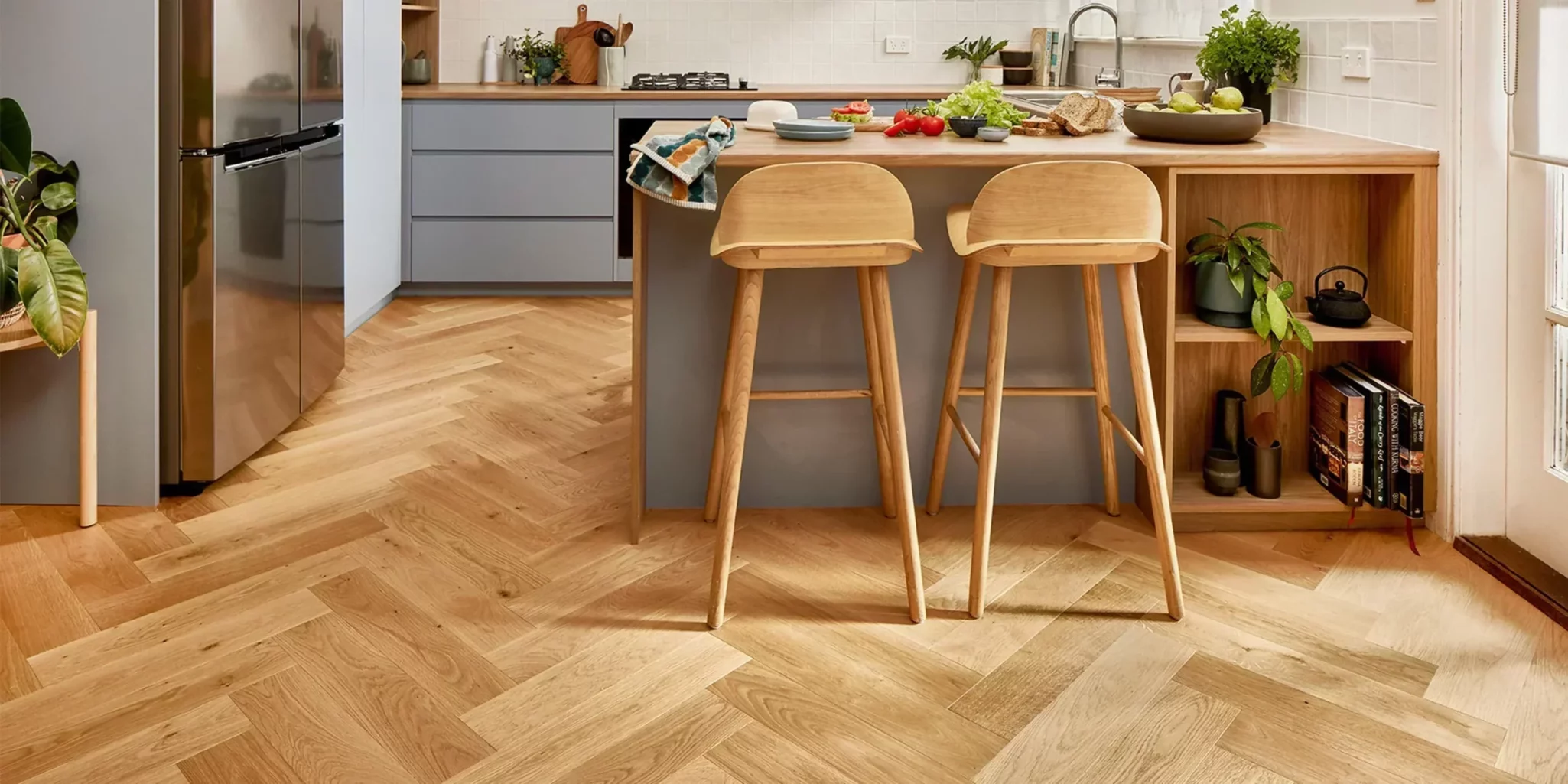
Wood floors bring warmth and character – and with the right care they age beautifully. The most
important rule: moisture is the enemy.
Always clean with a well-wrung, slightly damp mop, never wet. Use cleaners that are
specifically labelled for lacquered or oiled wood floors, depending on your finish.
Important: Do not use steam cleaners on wood, laminate or hybrid floors – the heat
and moisture can damage the construction.

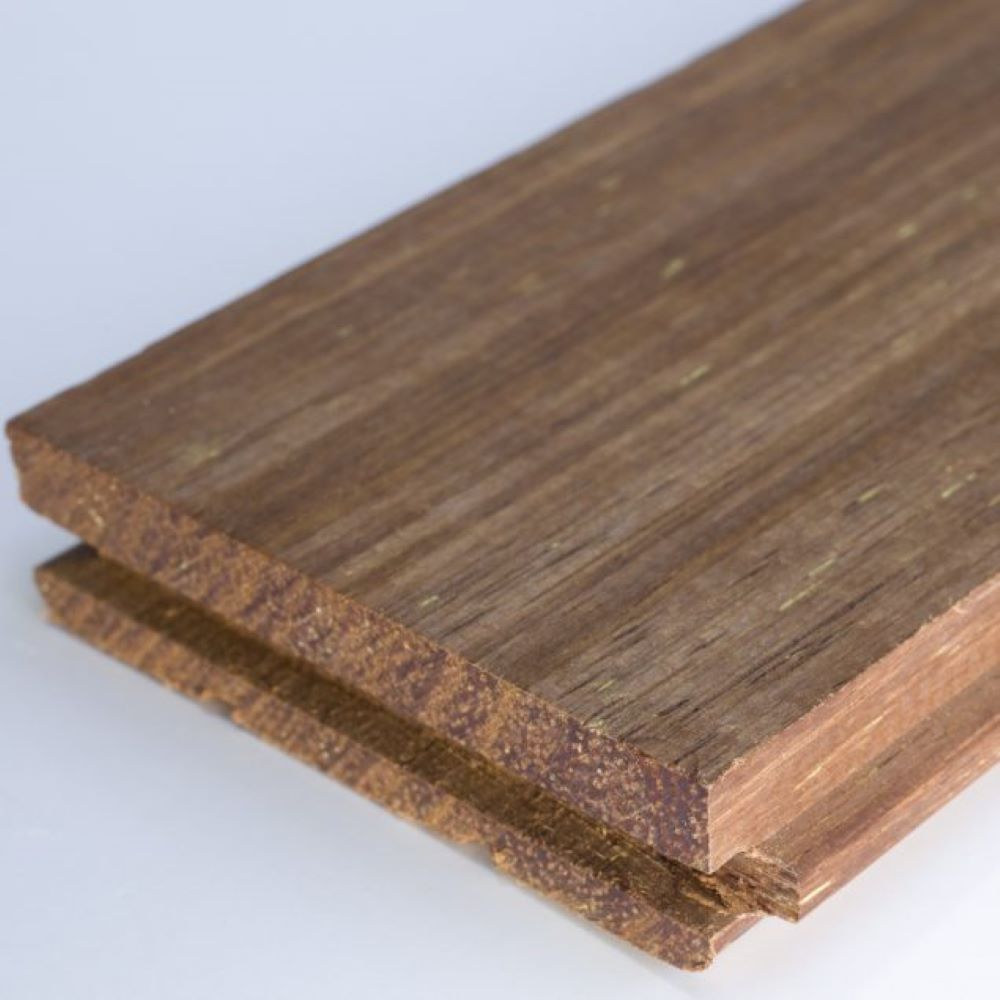
Modern laminate and hybrid floors are designed for everyday life. They are generally stain-resistant
and easy to clean – ideal for busy households.
As with wood, avoid excessive water. Use a microfibre mop and a cleaner approved for laminate or
rigid core floors. Check the manufacturer’s instructions for products that are labeled “water-resistant”
or “waterproof”.
Even with the best care, accidents happen. Knowing how to react calmly can prevent minor issues
from turning into permanent damage.
Tip: Keep a small reserve of your floor in storage. This makes it much easier to
replace individual planks or tiles if ever needed.
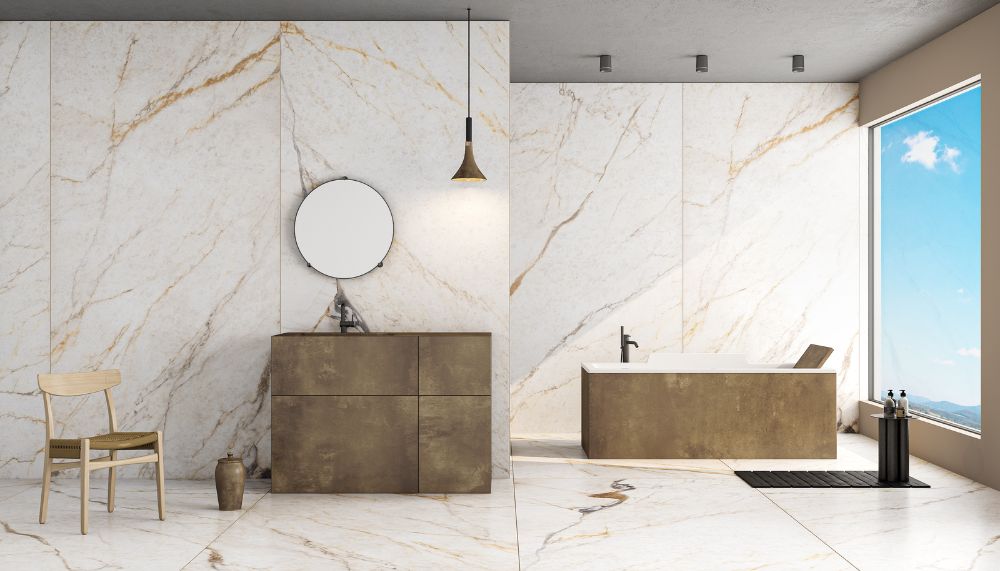
With the right care routine, porcelain tiles, wood, laminate and hybrid floors can all
deliver years of reliable performance and everyday comfort. A few simple habits, the correct cleaners
and some basic protection in high-wear areas make all the difference.
If you are unsure which products to use on your specific floor, the Homes & Floors team is happy to
help with tailored care recommendations and product suggestions.